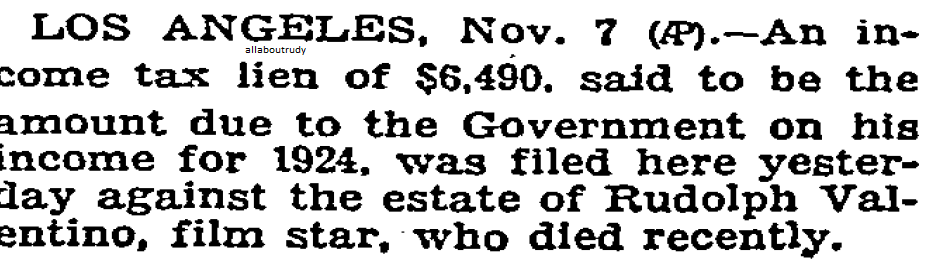
Posts Tagged With: Death of Rudolph Valentino
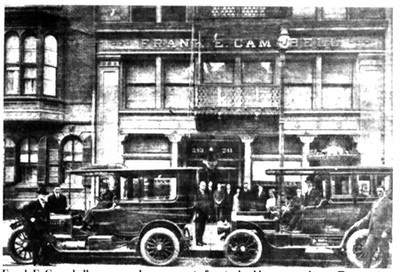
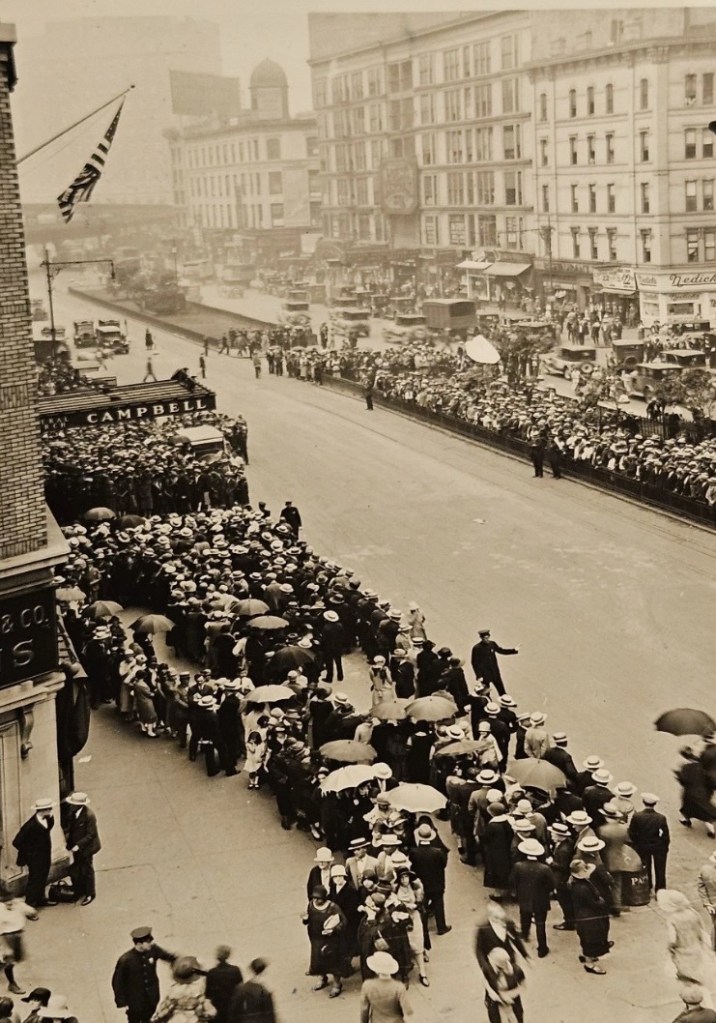
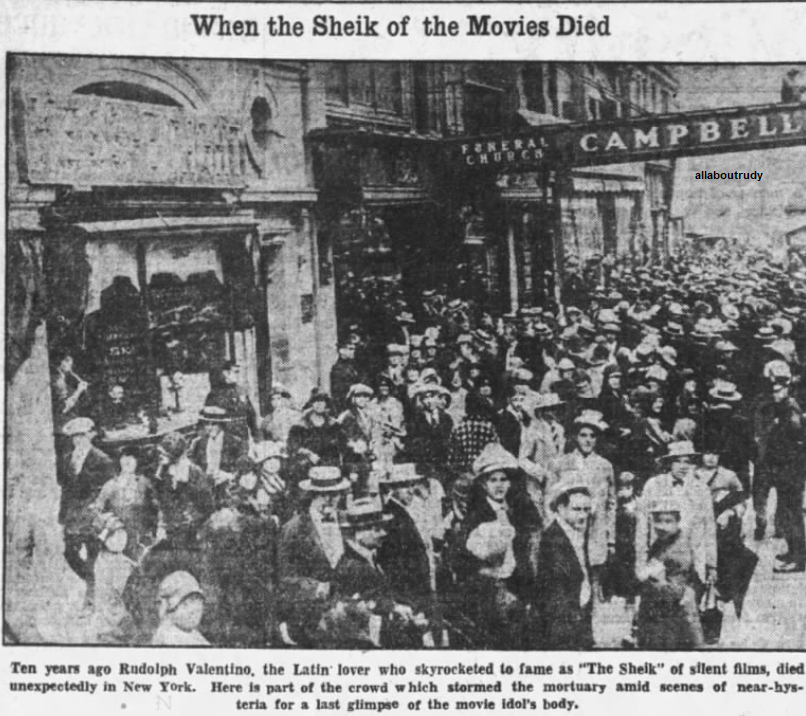
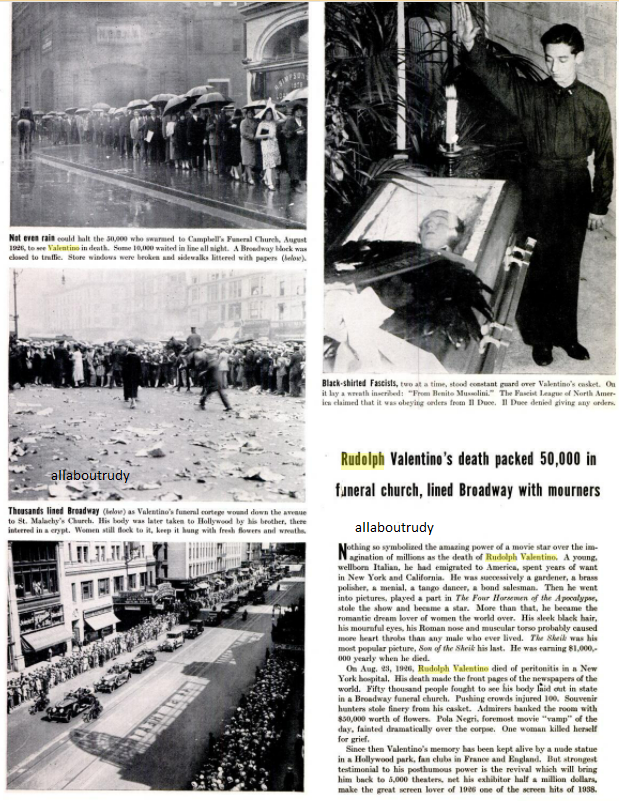
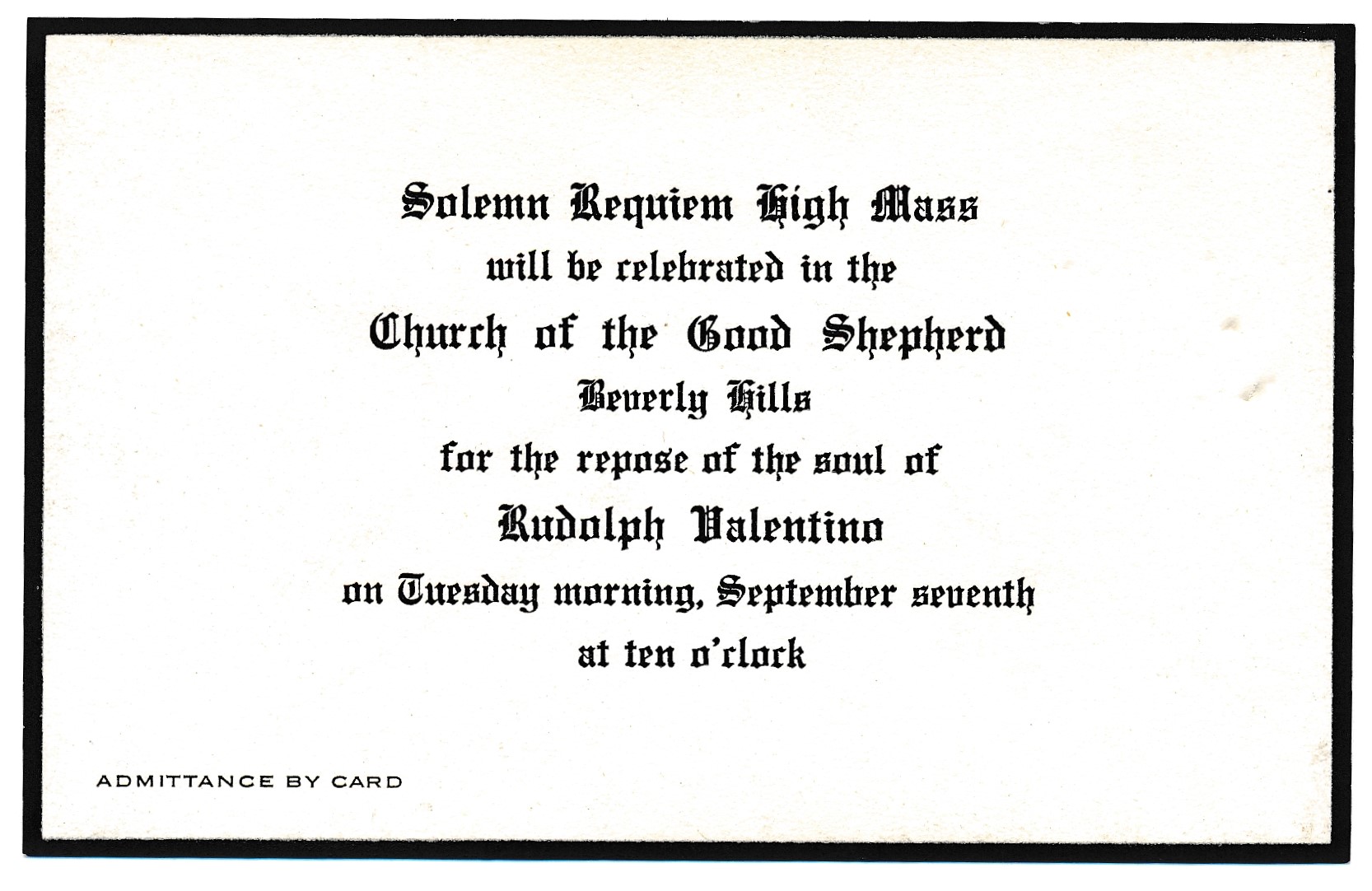
1926 – Frank E. Campbell Funeral Home, NYC, NY
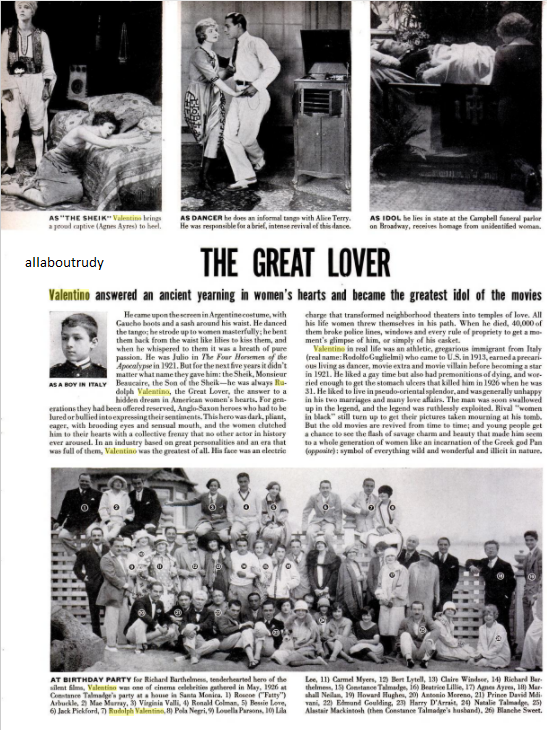
Quietly (and how!), Frank E. Campbell, ”The Funeral Chapel Inc.,” the city’s undertaker to the stars, is celebrating its 90th anniversary this year. It is a hushed affair. There will be, according to an official, ”no formal celebration, no formal acknowledgement” outside the building at 81st and Madison – and not much within. That is the place where, at the end, one could find Rudolph Valentino, Elizabeth Arden, George Balanchine, Bernard Baruch, James Cagney, Terence Cardinal Cooke, to alphabetically name-drop but a few.
”To create a service so sublimely beautiful, in an atmosphere of such complete harmony as to alleviate the sorrow of parting, is to render a service to mankind,” Frank E. Campbell himself said an exceedingly long time ago. Mr. Campbell got his start at age 12, in 1884, at a funeral home in Camp Point, Ill., helping to make caskets. By 1893 he was earning $10 a week in New York at the Stephen Merritt Undertaking and Cremation Company.
By 1898 he was in business for himself on West 23d Street. The rest is the stuff of mortuary legend. According to an in-house history of the concern, it was the founder’s business genius to recognize a need peculiar to New York and fill it. The custom at the time was to have funerals at home. That may have played well elsewhere in the land, but the majority of New Yorkers lived in apartments or residential hotels. This made for a cramped, to say nothing of crabby, funeral. Mr. Campbell ”combined the facility of viewing with the atmosphere of the church” and set the industry on its ear. Most funeral parlors of the period were simply basic storefronts. Mr. Campbell’s place was a showcase of mellow light, decorative furniture, potted palms, and art. By the time he buried Enrico Caruso, in 1921, the parlor had been moved to Broadway and 66th Street. By the time he buried Rudolph Valentino, after a riot at the bier, in 1926, his reputation was writ in stone, after a fashion. The parlor outstripped the competition for celebrity trade. By the time the business moved to 81st and Madison in 1938, Mr. Campbell was dead and buried four years (solid bronze sarcophagus placed in the family mausoleum in North Bergen, N.J.). His widow, Amelia Klutz Campbell, ran the business until she died in 1948 (cremation, ashes in the mausoleum) and it was sold off. There have been three owners since, but the name has remained, because of the reputation. Long after his death, Frank E. Campbell was quoted widely, particularly after Jessica Mitford’s savagely witty 1963 expose, ”The American Way of Death,” helped shore up a national assault on undertakers by clergymen. Writing about these critics in The New York Times, Homer Bigart said: ”They demand a curb on what they call the neo-pagan corpse worship of the modern funeral. Never keen on embalming, cosmetology, fancy coffins and other frills of funerary art, they want a return to simple, inexpensive, and austere rites.” Eventually the din died down, and funerals got neither cheaper nor less elaborate – they are still the third biggest-ticket purchase for most Americans, after homes and cars – but not before one president of Frank E. Campbell told the press: ”These dames that write these books – they do not want to hear anything good. If you kill sentiment, you are a dead pigeon. The world runs on sentiment.”
Today the business is owned by a Houston outfit, Service Corporation International, the largest funeral parlor operator in the country, whose chairman has characterized it as ”the True Value Hardware of the funeral service industry.” The chain, according to Eugene Schultz, assistant regional manager of the funeral division, considers Campbell the jewel in its crown. Having said that, Mr. Schultz offered a tour of the facility, volunteering that the 90th anniversary has been duly marked with a $500,000 restoration. Mr. Schultz walked somberly, at a loss for anecdotes, saying the famous dead are brought here because of quality and service and the knowledge that ”we will do everything possible to carry out any family request.” Asked if he could recall any extraordinary requests, he said, ”Not offhand.” The five-story funeral home was cool, with air-conditioners humming on each floor, quiet, and lovely, even though the elevator was exceptionally narrow, given its depth.
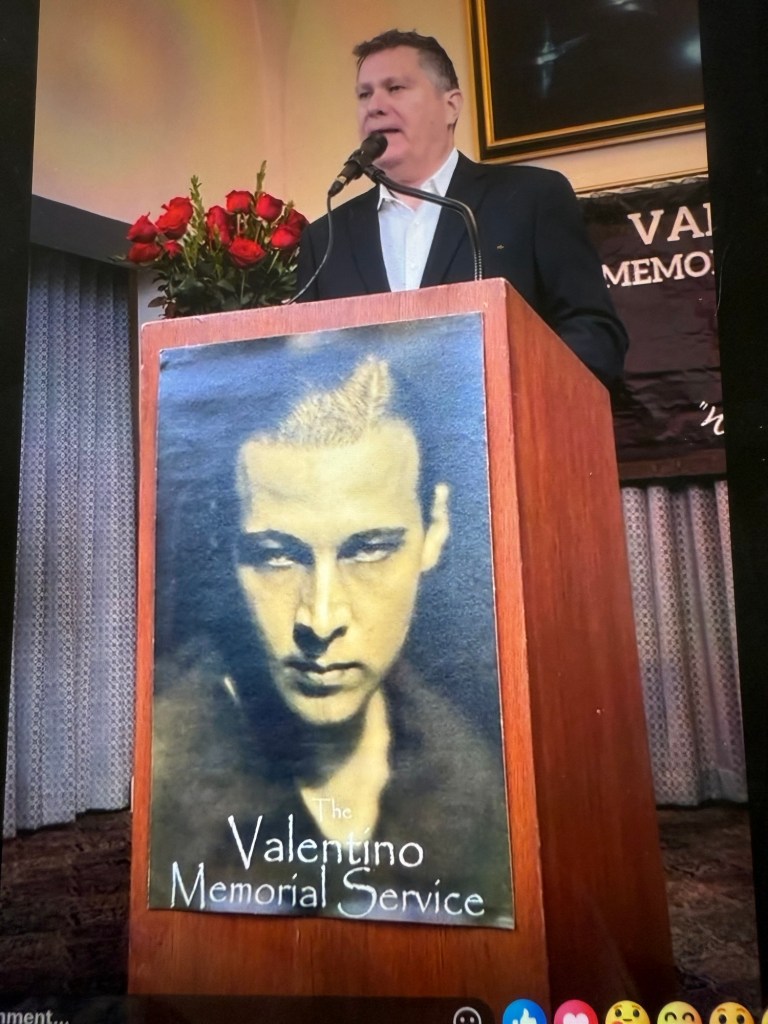
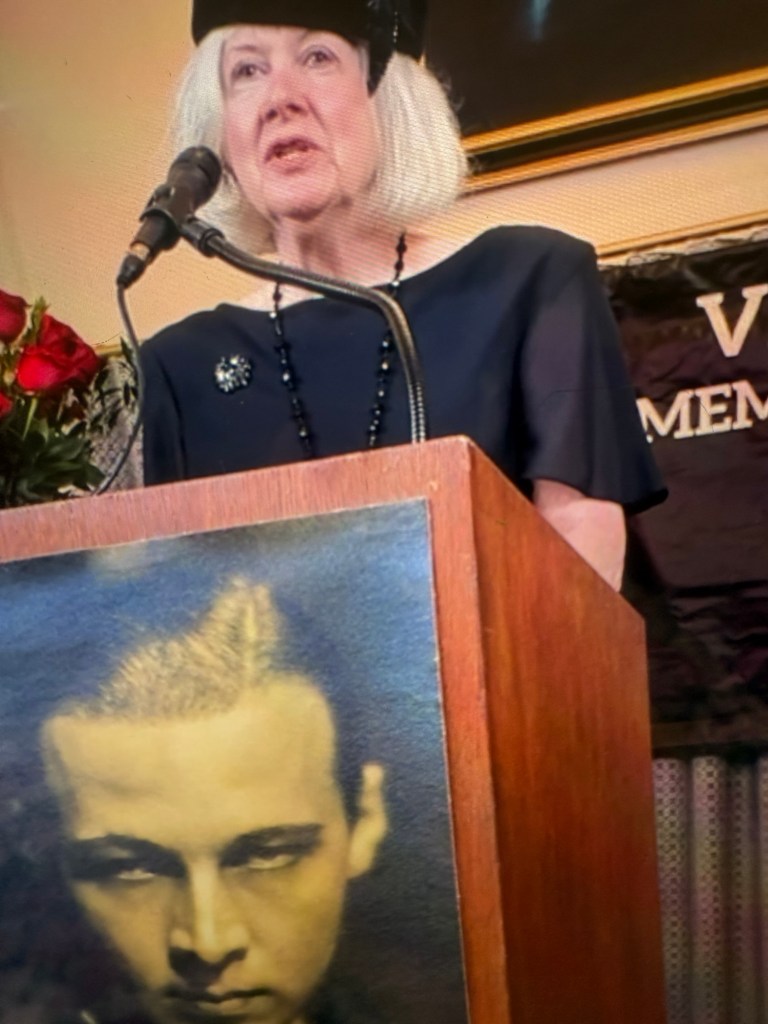
Aug 2025 – 98th Annual Valentino Memorial Service Review

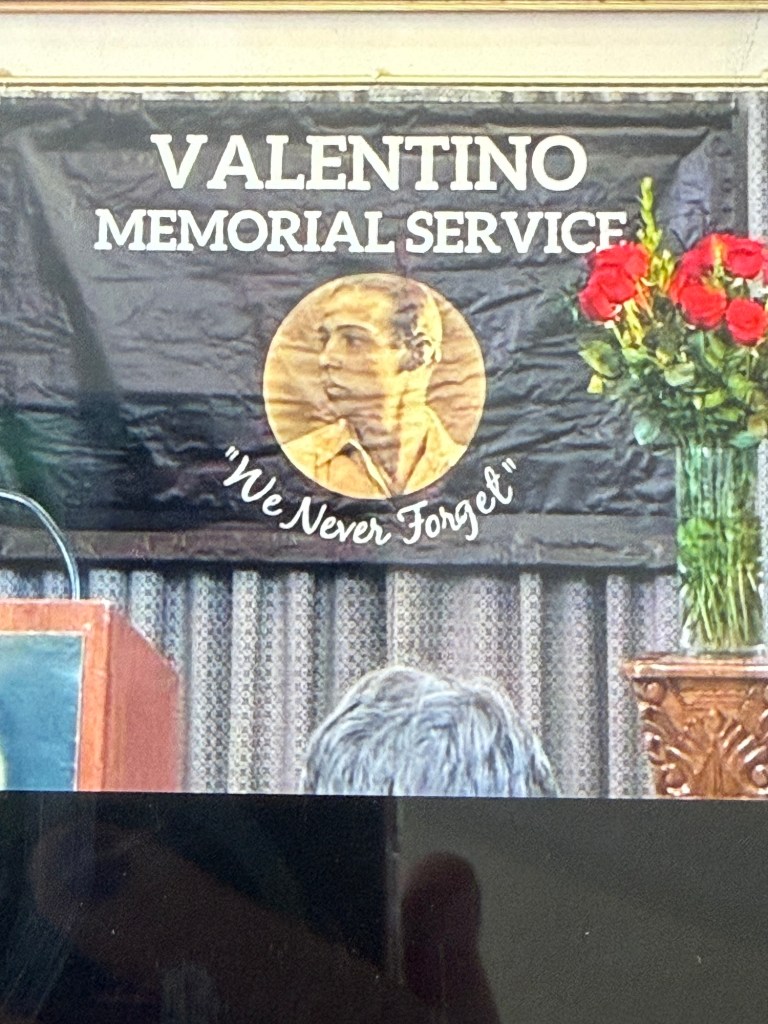
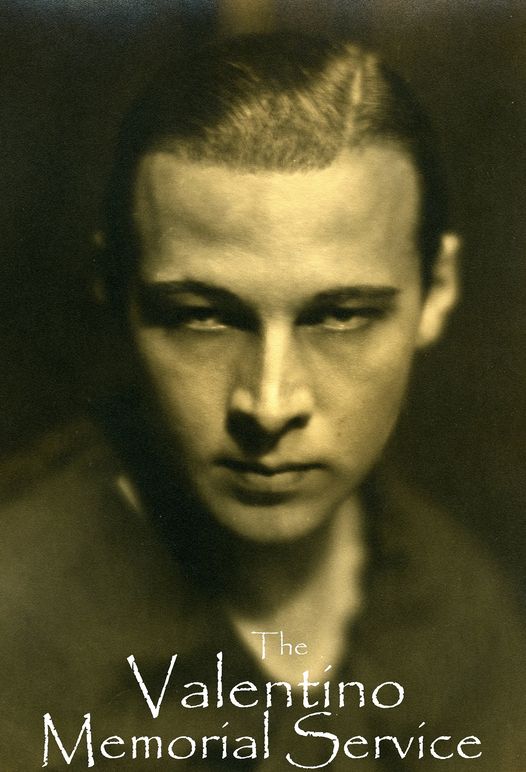
On every 23 August, 1210 hours, the Valentino Community comes together as one, in order to pay their solemn respects, in tribute to a great silent film actor, who still garners admirers and attention, in the 21st Century.


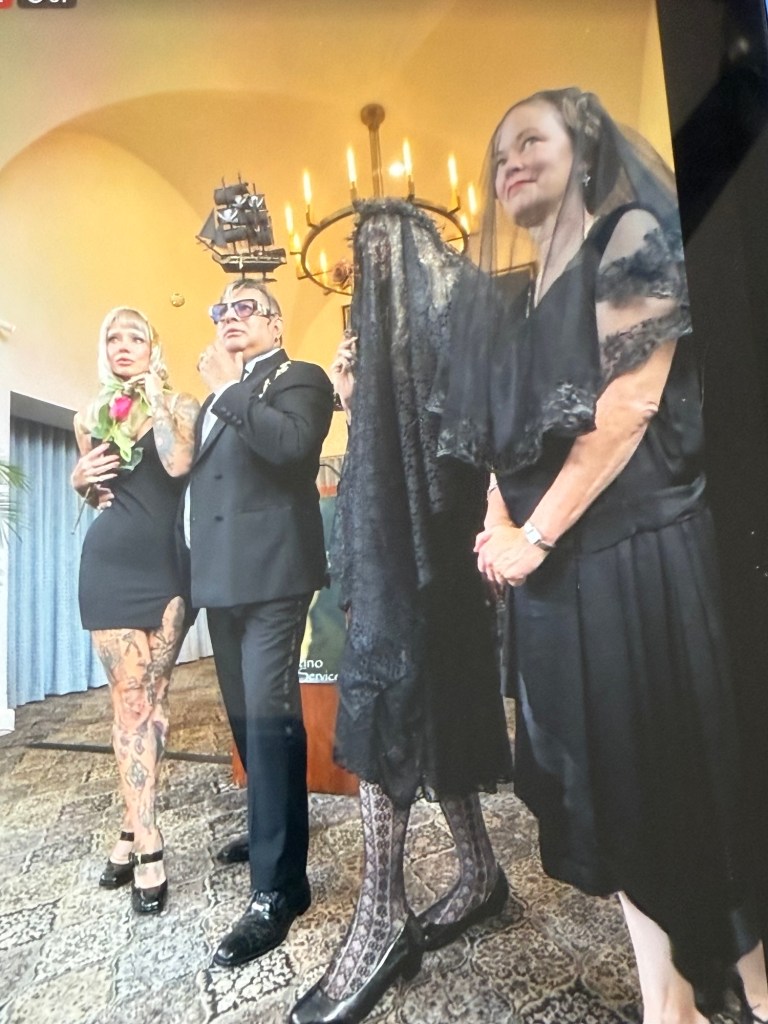
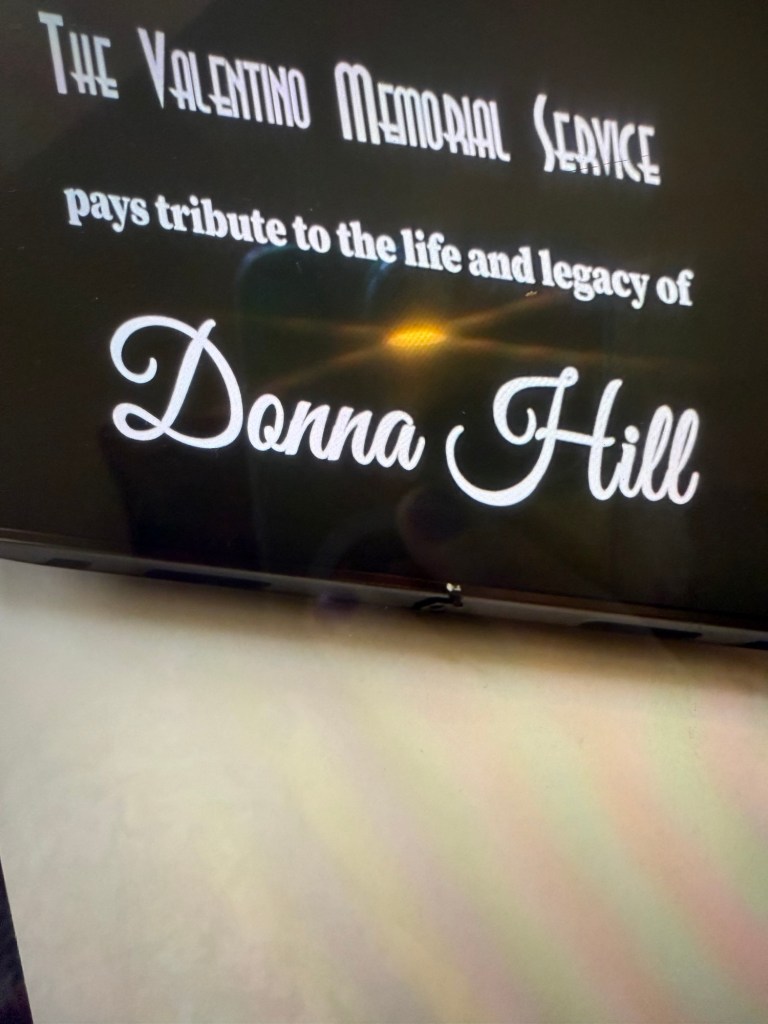
This year’s tribute program, was even more impressive than in years past. From the audio and visual tributes to the speakers, music selections, singing, to most of all a memorable salute to our beloved Donna Hill, everything was done reverently and beautifully.

There was something poignant about knowing how much of a compassionate person Donna Hill was. While I did not personally know her. Everyone within the Valentino community, felt as though she was a friend, someone they could go to for questions about Valentino. Her legacy will be remembered for years to come.

The music selection and the vocal talent of Ms. Katy Jane Harvey was once again, superb. I thoroughly enjoyed listening to my favourite “Ave Maria”.🎶🎤🎧🎼


It’s always sad when the Memorial Service ends🥲. But next year, I will be there physically to embrace the memories and see familiar faces once again.
One more thing, a big thank😇you to Tracy Terhune and Zachary Jaydon.✌️
Until next year. 😍🎥🎞️🪦
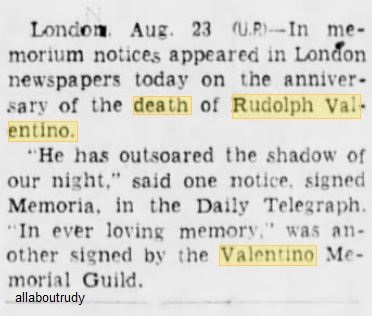
2025 – Annual Valentino Memorial Service
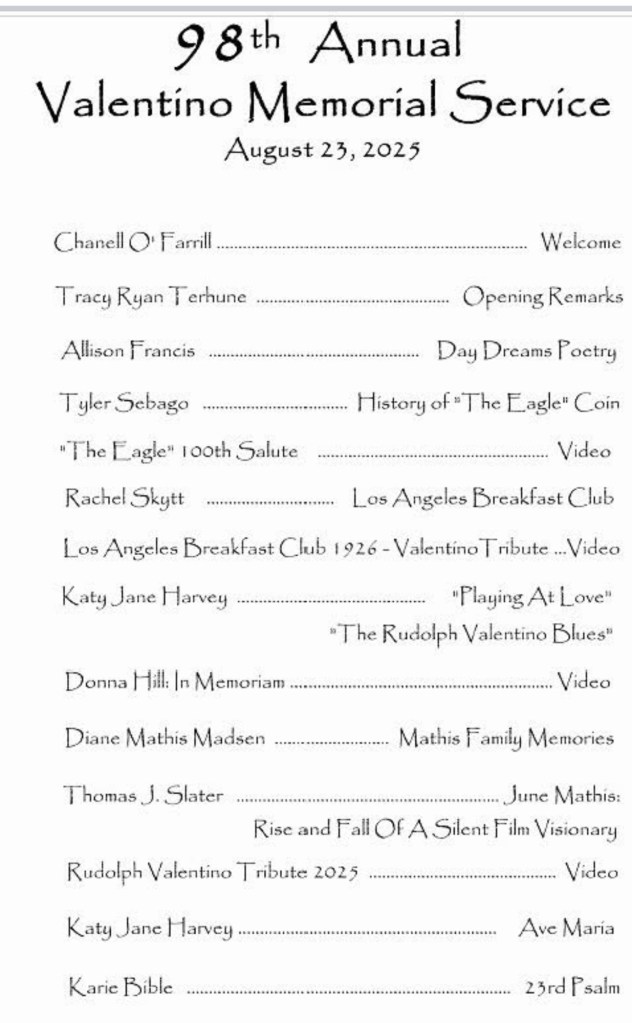
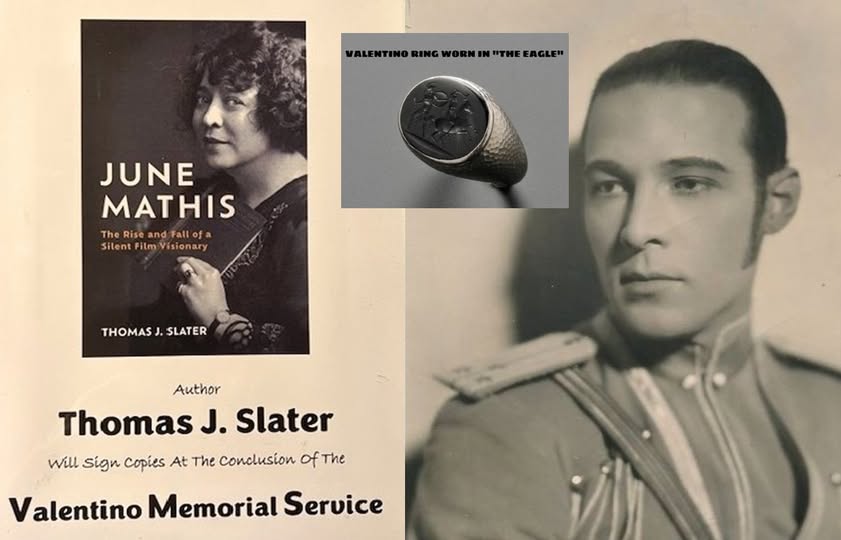
Next month, marks the saddest event on the Valentino Calendar, anniversary of the death of Silent Film Actor Rudolph Valentino. This annual event is held on 23 August 1210 p.m. Hollywood Forever Cemetery, LA, CA. This year author Tom Slater is speaking on his brand-new June Mathis book. At the conclusion of the memorial, he will hold a book signing. Rachel Skytt from the Los Angeles Breakfast Club will speak. The Breakfast Club was founded in 1925 and this marks their 100th anniversary. Rudy was a member, and when he died the Breakfast Club held one of the very first memorial services for Rudy, held just four days after his passing. Also, the 100th anniversary of the Valentino film “The Eagle” and a special remembrance of everyone’s beloved author Donna Hill. If you cannot make it the event will be broadcast live on Facebook Group “We Never Forget”. Also, I would love to hear from you – How will you spend 23 August?
1975 – The Legend of Valentino TV Movie
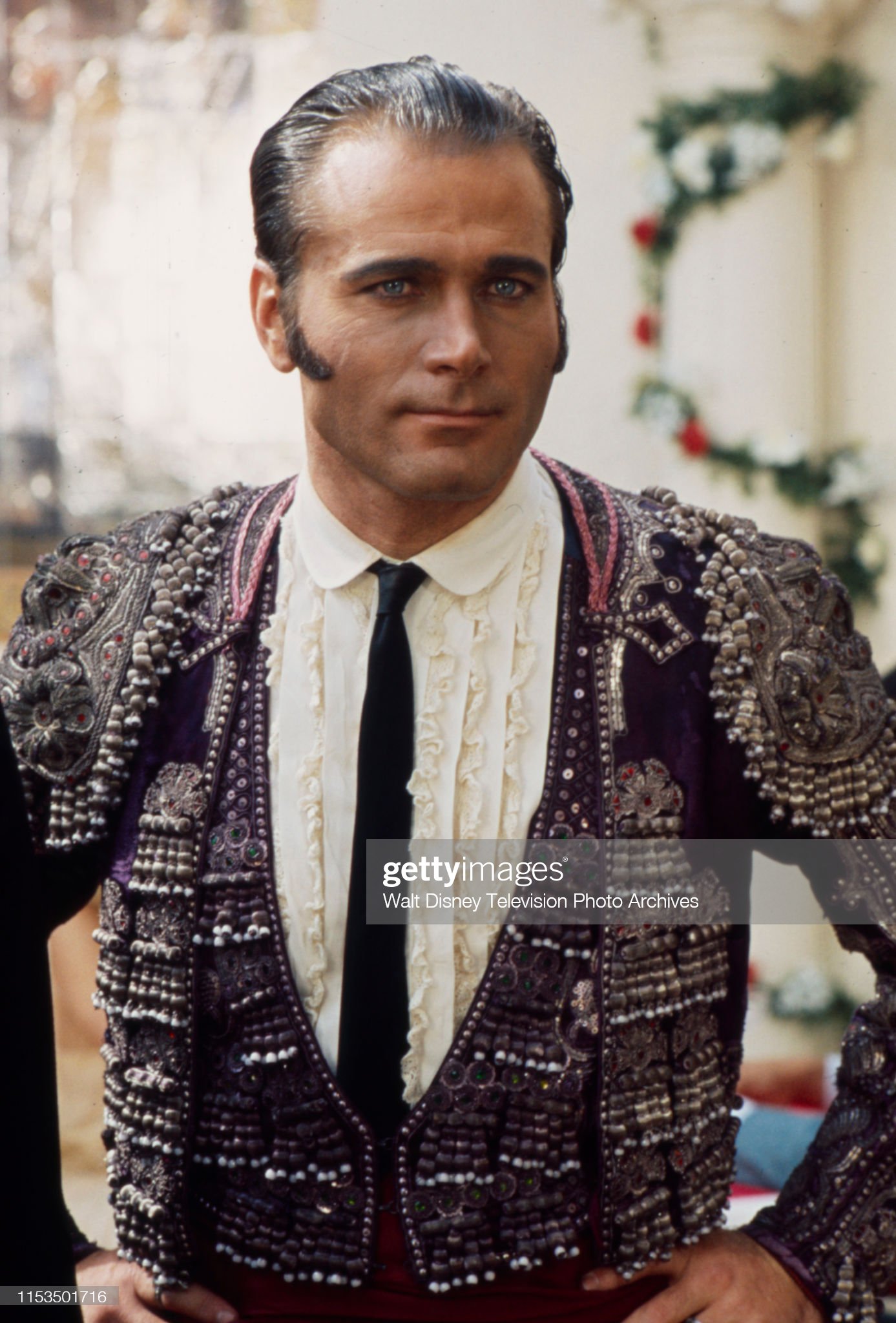
I recently came across a made for television “movie” that I had not seen before and thought I would watch it and provide a review. This is a heavily fictionized story of silent film actor Rudolph Valentino, and Metro Pictures screen writer June Mathis. June Mathis is finishing the script for “The Four Horsemen” and Valentino was caught robbing her home. It was then, she realized the potential this young man had to become a great actor. Through her mentorship June guides her discovery into becoming one of the screens most gifted actors of his time.
The movie’s casting players were all wrong for the roles they played. For example, Franco Nero was a bad choice for the starring role in playing Valentino. Both his look, mannerisms and speech are over dramatic and exaggerated. Susanne Pleshette’s look for the movie was too glamourous and nothing like June Mathis. While she was semi-believable the make-up artists and wardrobe needed to downplay her appearance into a more semblance of what June Mathis might have looked like. Both Yvette Mimieux as Natacha Rambova and Alicia Bond as Nazimova are not even close to the original stars.
I read the original reviews of this made for television trash and I agree this is one that should have never been made a complete waste of both time and money.
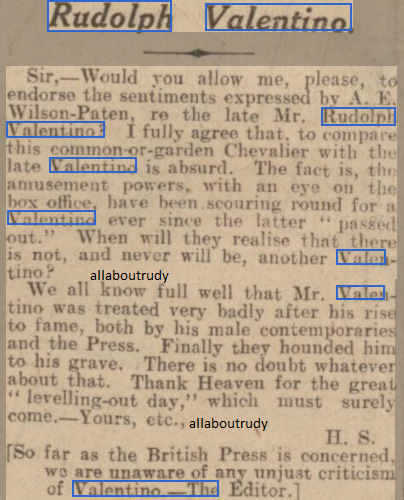
10 Feb 1927 – Hollywood Says..
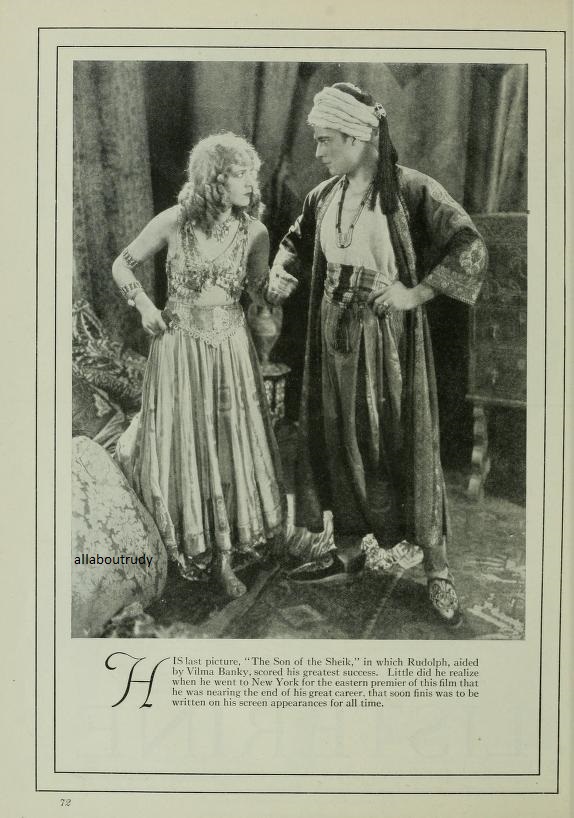
Without a Rudolph Valentino it is doubtful if Mr. Zukor could have grossed such enormous sums on those pictures. Plus the insurance money certainly helped out now didn’t it.
It was the passionate mastery of Valentino that brought him to such eminence.
The lamented Valentino had this magnetism in superabundant quality.
Without a Famous Players- Laskey Corporation with its vast facilities and ample resources it is highly doubtful if Valentino could have risen to international eminence in such a brief space of time.
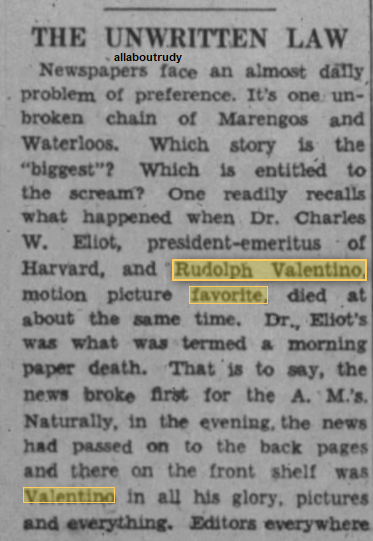
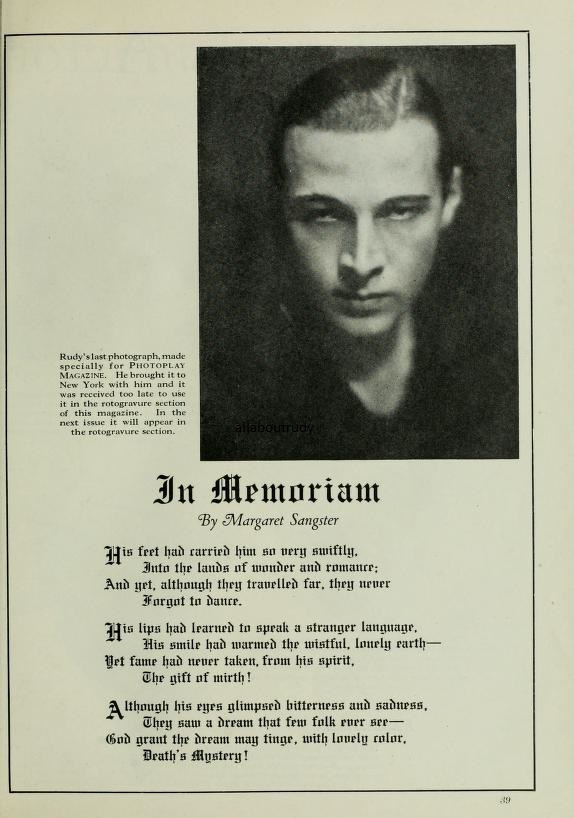
It has been almost a year now since Rudolph Valentino probably the greatest personality ever brought forth by the motion picture, has passed on and yet how rarely his name is recalled in that forgetful world we call Hollywood.
It was primarily June Mathis, with the courage of a visionary, who assumed a new perspective on romance in the silent drama and who had the courage to depict a latin as a lover rather than a villian. Before the advent of Valentino, the status of latin in a silent drama was not exactly complimentary. They were always cast as despicable characters, evil plotters lacking moral finesse, philanderers, roustabouts, black-hands and such.
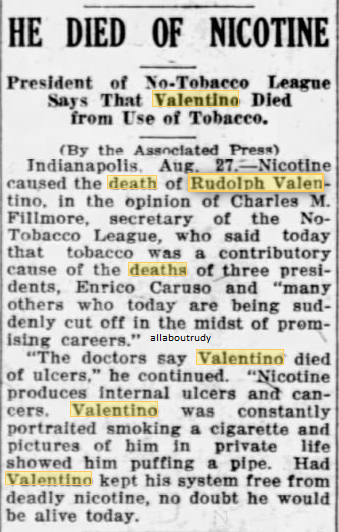
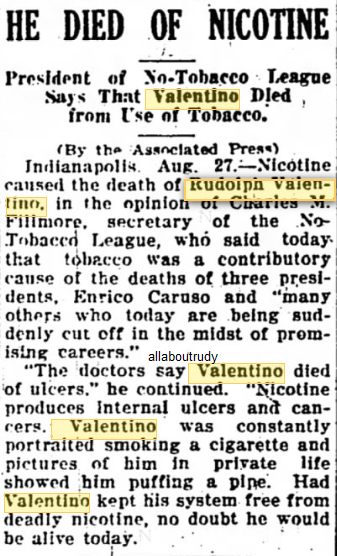
27 Aug 1926 – Nicotine Cause of Death
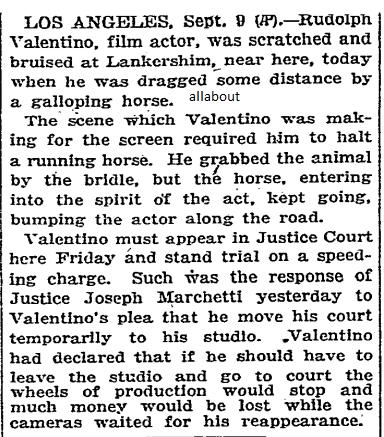
2024 – 1926 Thoughts on Valentino
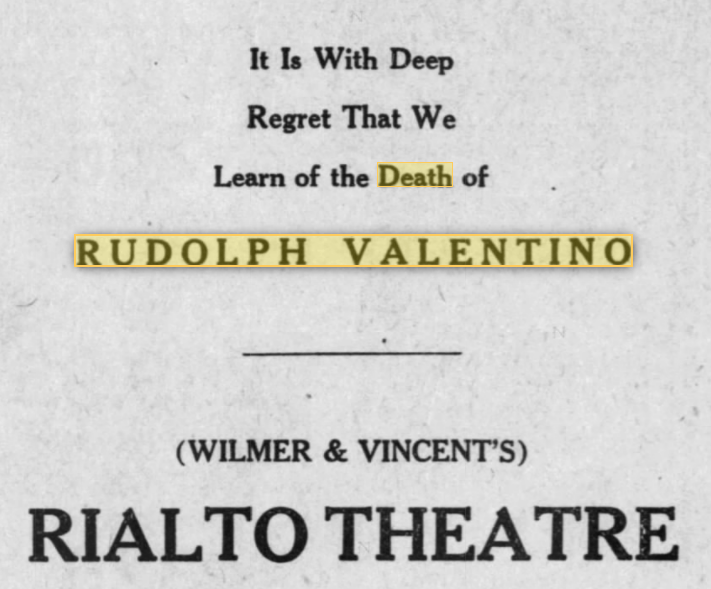
There are three sad months out of the calendar year. July was when Rudolph Valentino started to feel ill. August was when his health started to decline. He had an Italians superstition regarding going to a doctor. Inspite of maintaining a healthy lifestyle minus the smoking, drinking and eating, he died. September was when he was buried.
Although it’s always a poignant moment when one stops to reflect on 23 Aug when Rudolph Valentino passed from this mortal world and has remained in our thoughts ever since.
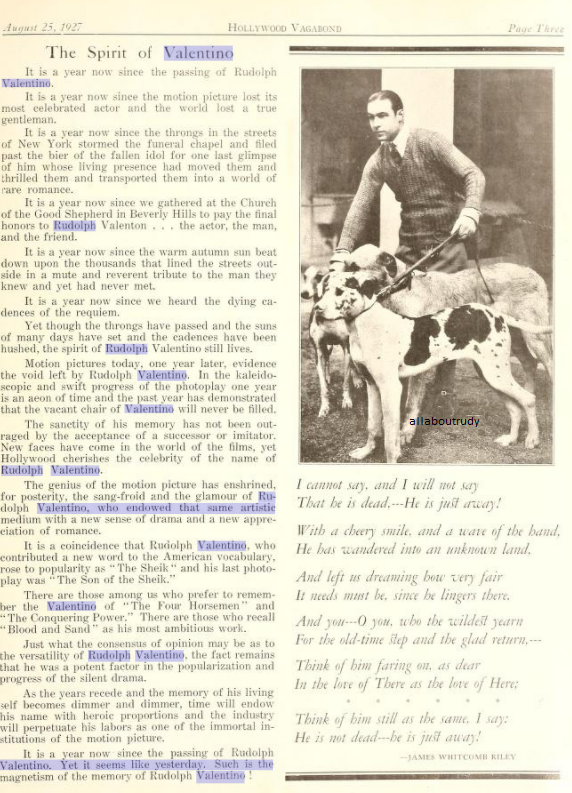
Millions all over the world as far as moving pictures learned with deep regret his passing. A very young man of intense feeling and earnestness, Rudy held his place, without a noted rival in his field. He came to this melting pot country seeking a better way of life. While his early struggles were known he made his way by hard work and talent that showed the world on the silver screen just how remarkable he truly is. Life on this mortal earth was brief but it was not wasted.

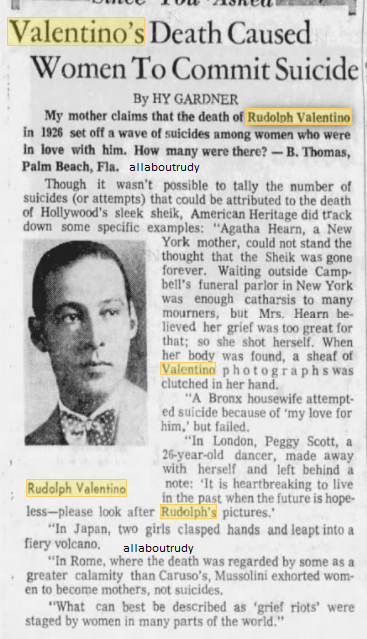
Of course, there were certain people who took advantage of his death by garnering free publicity or behind the scenes stole his personal effects. Colleagues, friends, relatives all talked about how he will be missed, what a great guy and friend he was. No one had a bad word to say about him. Back at Falcon Lair all his animals anxiously waiting for his return but would eventually realize that he was never coming back. They were sold to pay off his debts. Greed was the word of the day. Studios who insured their star for allot of money got that back. United Artists insured Valentino for $250,000. Did they truly care about their star? This author seriously doubts that. All they cared about was how he could make a profit and how they could drum more publicity for their studio now that he was no longer alive. Hollywood ensured they let the fans know they mourned their big profit-making star. Behind the scenes, they were truly glad he was gone since they didn’t have to worry about the drama or the tantrums he caused when things did not go his way while making pictures. So-called friends were backstabbing Valentino and thought now he is no longer alive I can step in and become the next big star. Seems this is no different that when Wally Reid did a victim of the studios. But the people that truly cared and mourned Valentino were his fans. They grieved and were not afraid to let others know how they felt. Fast forward to the twenty-first century, he still has fans of all ages and on 23 Aug, the Valentino community will mourn again.
27 May 1927 – Many Seem to Believe Valentino Lives, Judging by Letters Addressed to Him
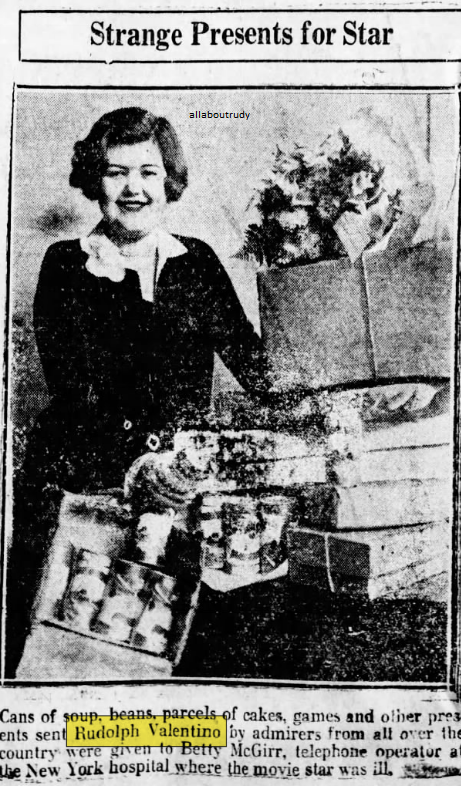
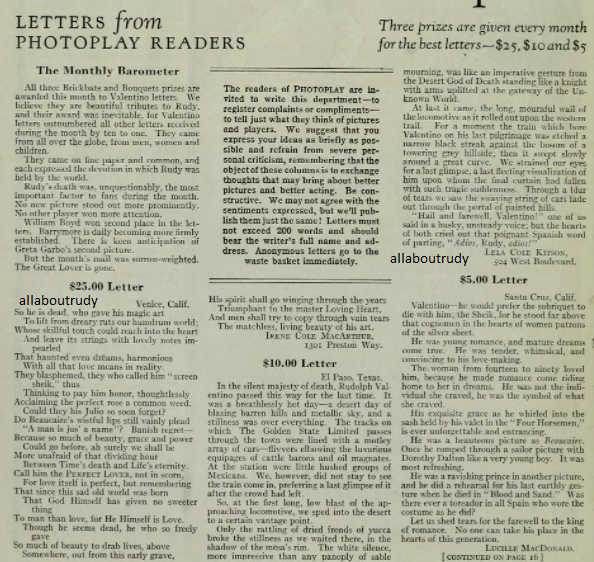
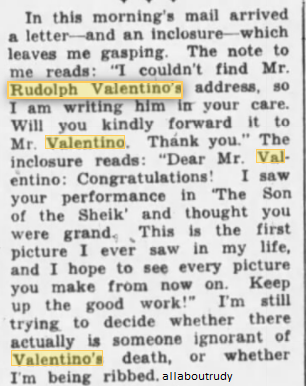
Rudolph Valentino has been dead for nine months and yet to hundreds of moving picture fans, he is still alive. United Artists through which Valentino distributed his films receives on average 15 letters a week addressed to Valentino, expressing admiration for his work, asking what his next movie will be and invariably asking for a photograph. Letters arrive from all over the world. One such letter came in from Chicago and a young girl wrote “I saw you in all of your pictures. I would like to know what pictures you are going to be in. Please give me one of your pictures”. Another Dear Mr. Valentino from Detroit “I am writing you a few lines to let you know that I am watching your work on the movie screen. I saw you in many pictures and I like them all very much. Please send me one of your photographs”. From Niles, Ohio “Rudolph, Will you please send me a picture?”. A girl from Treadelphia, West Virginia writes “I saw your pictures in the show and I thought it was very beautiful and would you please send me your picture”. “I like the way you play and would you send me one of your pictures” wrote another from Brooklyn New York. All mail is acknowledged, and the writers are informed Valentino is no longer living.
17 Apr 1934 – GUGLIELMI’S ESTATE. ULLMAN v. GUGLIELMI
District Court of Appeal, First District, Division 2, California. GUGLIELMI’S ESTATE. ULLMAN v. GUGLIELMI ET AL Civ. 9321.
Decided: April 17, 1934
Newlin & Ashburn and Gwyn Redwine, both of Los Angeles, for appellant. Scarborough & Bowen and McGee & Sumner, all of Los Angeles, for respondent Bank of America National Trust & Savings Ass’n.
Appeals were taken from an order of the probate court settling the account current and report of the executor and from an order denying a petition for partial distribution. Both appeals are presented on the same typewritten transcripts.
Rodolpho Guglielmi, also known as Rudolph Valentino, a motion picture actor, died testate August 23, 1926. On October 13, 1926, the appellant herein was appointed executor, and thereupon entered upon the administration of his estate. The pertinent portions of the decedent’s will, which was duly admitted to probate, provide:
“First: I hereby revoke all former Wills by me made and I hereby nominate and appoint S. George Ullman of the city of Los Angeles, County of Los Angeles, State of California, the executor of this my last will and testament, Without bonds, either upon qualifying or in any stage of the settlement of my said estate.
“Second: I direct that my Executor pay all of my just debts and funeral expenses, as soon as may be practicable after my death.
“Third: I give, devise and bequeath unto my wife, Natacha Rambova, also known as Natacha Guglielmi, the sum of One Dollar ($1.00), it being my intention, desire and will that she receive this sum and no more.
“Fourth: All the residue and remainder of my estate, both real and personal, I give, devise and bequeath unto S. George Ullman, of the city of Los Angeles, County of Los Angeles, State of California, to have and to hold the same in trust and for the use of Alberto Guglielmi, Maria Guglielmi and Teresa Werner, the purposes of the aforesaid trust are as follows: to hold, manage, and control the said trust property and estate: to keep the same invested and productive as far as possible; to receive the rents and profits therefrom, and to pay over the net income derived therefrom to the said Alberto Guglielmi, Maria Guglielmi and Teresa Werner, as I have this day instructed him; to finally distribute the said trust estate according to my wish and will, as I have this day instructed him.”
The instructions referred to in paragraph 4 of the will are as follows:
“To S. George Ullman.
“I have this day named you as executor in my last will and testament; it is my desire that you perpetuate my name in the picture industry by continuing the Rudolph Valentino Productions, Inc., until my nephew Jean shall have reached the age of 25 years; in the meantime to make motion pictures, using your own judgment as to numbers and kind, keeping control of any pictures made, if possible.
“Whenever there are profits from pictures made by the Rudolph Valentino Productions, Inc., it is my wish that you will pay to my brother Alberto the sum of $400.00 monthly, to my sister Maria the sum of $200.00 monthly, and to my dear friend Mrs. Werner the sum of $200.00 monthly.
“When my nephew Jean reaches the age of 25 years, I desire that the residue, if any, be given to him. In the event of his death then the residue shall be distributed equally to my sister Maria and my brother Alberto.
“Rodolpho Guglielmi
“Rudolph Valentino.”
In due time the probate court decided that these instructions were made contemporaneously with the will and became a part of the execution of the will, also that the will and the instructions taken together constituted the full terms of the trust created by the will.
Notice to creditors was given, and all claims were paid or settled or had become barred when the account was filed. The inventory and appraisal filed April 13, 1927, showed real and personal property amounting to $244,033.15. A supplementary inventory and appraisal filed January 9, 1928, showed additional real and personal property amounting to $244,550 or a total estate of over $488,000.
On February 28, 1928, appellant filed his first account as executor, to which objections were made by Alberto Guglielmi and Maria Guglielmi Strada, the brother and sister of deceased. Proceedings for the settlement of this account were abandoned. On April 5, 1930, appellant filed a new first account to which objections were made by the same parties, but were not heard. On June 7, 1930, appellant filed his resignation as executor, which was accepted, and the respondent Bank of America was appointed administrator with the will annexed. On August 18, 1930, appellant filed a supplemental account, to which the administrator filed objections, including the objections made by the brother and sister to the former accounts. These accounts, with the objections of the administrator and of these heirs, came on for hearing on November 5, 1930, and on August 8, 1932, the probate court made the decree from which this appeal is taken.
In the course of this hearing, the question arose as to the legality of advances made by appellant to the brother and sister of the deceased and to another beneficiary of the will, and, on the suggestion of the court, a petition for partial distribution was filed by the administrator. On the hearing of that petition, the probate court found that the decedent left surviving him as his only heirs at law Alberto Guglielmi and Maria Guglielmi Strada; that the only persons entitled to benefit from the trust created by the will were said heirs, Teresa Werner, and Jean Guglielmi; that the questions relative to the advances made to three of the above beneficiaries were determined by the decree settling the account entered contemporaneously with this account; and that, because of the condition of the estate, no partial distribution should be decreed.
During his lifetime the decedent had been engaged in various activities in addition to his work as an actor. He was interested in the production and development of pictures under the corporate name of Rudolph Valentino Productions, Inc., which, however, was but an alter ego. He was engaged in the exploitation of chemical discoveries under the corporate name of Cosmic Arts, Inc. He was also sole owner of a cleaning business under the name of Ritz, Inc. In March, 1925, decedent made a contract with a motion picture producer under which he agreed to give his services as a motion picture actor to that producer exclusively. In April, 1925, he assigned his interest in the profits under this contract to Cosmic Arts, Inc. In August, 1925, Cosmic Arts, Inc., assigned its interest in this contract to Rudolph Valentino Productions, Inc. The stockholders in Cosmic Arts, Inc., were the decedent, Natacha Rambova, his wife, and Teresa Werner, his wife’s aunt. Though these three corporations were separate entities, the decedent for a long time prior to his death conducted the affairs of all three under the ostensible name of Rudolph Valentino Productions, Inc., making all expenditures through the latter, with little regard for the corporate identity of the other two concerns. During this period, the appellant served in the capacity of business manager and personal representative of the decedent; superintendent of Ritz, Inc.; secretary, treasurer, and director of Cosmic Arts, Inc.; and manager of Rudolph Valentino Productions, Inc., his compensation for all these services being paid by Rudolph Valentino Productions, Inc.
Immediately upon his qualification as executor, and acting upon the asserted authority of the will to continue the Rudolph Valentino Productions, Inc., for the purpose of perpetuating the name of deceased, the appellant entered upon the management of all these concerns in the same manner in which they had been conducted in the lifetime of the decedent. In these transactions the appellant, seemingly acting as the executor of the estate rather than as trustee under the will, paid all claims outstanding against the decedent, personal as well as those incurred by the corporations mentioned. The exact figures covering these expenditures are not material to this inquiry, but the appellant emphasizes the fact that as executor he took an estate which was heavily involved financially and practically bankrupt, and through his management all indebtedness was cleared and the property of the estate was increased in value to $890,000.
In the course of the conduct of these activities, the appellant borrowed and loaned money, executed mortgages and retired existing liens, purchased new property to be used in the business, and sold property belonging to the estate. To obtain publicity to aid in the display of the decedent’s pictures, two spectacular funerals were held––one in New York and one in Los Angeles––and Valentino Memorial Clubs were organized in many different centers. Because of the financial condition of the estate at the time, these expenditures were paid largely from money borrowed by the executor on his personal obligations, and all, or nearly all, were made without an order of court. When funds accumulated through the distribution of pictures, the appellant made loans, some with security and some without. In September, 1927, he loaned one Mae Murray $22,000 at 7 per cent. In March, 1928, he loaned the Pan American Company $50,000 at seven per cent., secured by Pan American Bank stock of the then value of $78,000; at various times during the year 1928 he loaned one Frank Menillo $40,000 at 8 per cent. The Murray loan was repaid. The Pan American loan was compromised at a loss of $16,000 to the estate, with which amount appellant was charged to account with interest on the full amount of the loan. The Menillo loan was unpaid at the time of the entry of the decree herein, and appellant was charged to account in full with interest.
The ruling of the probate court on these two items presents the principal ground of attack upon the decree. If appellant was authorized to carry on the business of the decedent, to invest and reinvest the funds in his hands, then any losses arising from these transactions must be borne by the estate. If he was not so authorized, the losses are his. The question of the right of an executor to carry on the business of the deceased when so directed by the testator first came directly before our appellate courts in Estate of Ward. 127 Cal. App. 347, 15 P.(2d) 901, a case which was decided after the decree herein was entered. In that case Judge Ames, sitting pro tempore in the appellate court, carefully reviewed the authorities, and concluded that, in the absence of fraud or mismanagement, an executor should not be charged with losses while he is following out the instructions of the testator. Numerous authorities from other jurisdictions are cited by Judge Ames, to which reference may be had in that opinion. This distinction between the two cases should be noted––here all these loans were made from profits of the estate accumulated by the executor; in the Ward Case the losses were in the principal. The conclusions there reached compel a reversal of the decree as to the Pan American and Menillo loans because they were attacked on the sole ground that they were made without order of court or without “sufficient” surety, but were not attacked upon any charge of fraud or mismanagement.
The dual capacity of the executor and trustee involved in this appeal is the same as that considered in the Ward estate, where the court, after reviewing authorities on that subject, held that, taking the will as a whole, it could not have been the intention of the testator to suspend operations of the business during the period of time required for the administration of the estate and the appointment of a trustee. The case here is even stronger than the will interpreted in the Ward Case, because the instructions of the testator to the trustee are so blended and mingled that they could scarcely be separated the one from the other. The directions to the executor to “perpetuate my name in the picture industry by continuing the Rudolph Valentino Productions, Inc.,” and the directions, to the trustee “to hold, manage, and control the said trust, property, and estate; to keep the same invested and productive as far as possible,” disclose an intention of the testator to treat the executor and trustee without the legal distinction that a court would draw between the two offices.
For these reasons we conclude that the executor was both authorized and directed by the will to carry on the business of the decedent as it had been carried on in his lifetime, and that the investments made by him through loans to the Pan American Company and to Menillo were made in the course of the operation of that business, and, being without fraud, the appellant should not be charged for the losses occurring therefrom, nor should he be surcharged with interest on account of any investments made in his management of the estate.
The probate court charged appellant with an item of $17,280.19 expended by him in compliance with a contract of Cosmic Arts, Inc. This item presents an issue closely related to that just discussed. Cosmic Arts, Inc., was a family corporation organized by the deceased. Ten shares of stock were issued, all in the name of Natacha Rambova, the then wife of the decedent. One of these shares was transferred to her aunt, another to the decedent, and the three were the directors. Decedent resigned from the directorship and had the appellant appointed in his place. While the latter was acting as director and treasurer of the corporation and under the authority of the by–laws, he executed a contract with one Lambert obligating the corporation to bear any and all expenses in connection with the patenting, sale, and exploitation of patents covering a chemical discovery called Lambertite. For a considerable period prior to his death, the affairs of this corporation were conducted by the decedent as his alter ego, acting through the appellant as his personal manager in very much the same manner as the affairs of the Rudolph Valentino Productions, Inc., were conducted. The contract referred to was apparently ratified by the corporation, and the expenses of the corporation were paid by the decedent, not only in connection with the patenting of the process, but in the conduct of the laboratory in New York City for the development of the process. Upon his qualification as executor the appellant continued to pay these expenses, amounting to a total of over $19,000 and so accounted to the estate. In the hearing of the objections to this item, the appellant contended that the entire stock of the corporation had been transferred to the decedent through a property settlement made at the time of the separation with his wife, but the separation agreement was not produced. The contract with Lambert was received in evidence, and from this the probate court found that Cosmic Arts, Inc., was entitled to one–third of the profits resulting from the sale and exploitation of the patents, and that therefore it was liable for but one–third of the expenses incurred in the patenting, sale, and exploitation of the process. Upon this theory it was concluded that the decedent and his estate were liable for but one–ninth of these expenses, basing this conclusion solely upon the theory that Cosmic Arts, Inc., was a family corporation organized by the decedent, his wife, and his wife’s aunt, in which the decedent had a one–third interest.
The evidence on this issue is in such an unsatisfactory state that it is impossible at this time to determine the issue. It is manifest that it was tried by the probate court without the benefit of the decision in the Ward Case, and that, if the facts justify the contention of the appellant that Cosmic Arts, Inc., was also an alter ego of the decedent, the business of which appellant was authorized by the will to carry on under the will, then such losses incurred by appellant in the operation of that business as may be found to have been incurred without fraud or mismanagement must, under the rule of the Ward Case, be held to be the losses of the estate and not of the appellant. For these reasons this issue should be retried.
Appellant, complains of the ruling of the probate court surcharging him with interest on the full amount of moneys withdrawn by him on account of his fees for extraordinary services in advance of an order of court authorizing any fee for such services. The evidence discloses that during his period of administration the appellant withdrew from the funds of the estate sums aggregating $22,300, for which he asked credit in the settlement of his account upon the basis of extraordinary services rendered the estate. The probate court disallowed the item and charged appellant to account for interest at the rate of 7 per cent. from the time of each withdrawal. It then allowed the appellant an additional fee for extraordinary services fixed at $15,000. The appellant now argues that this sum should be subtracted from the total amount withdrawn, and that he should be charged to return to the estate the difference, amounting to $7,300, and should be charged interest on that amount only. Authorities cited by the appellant relating to statutory fees to which an executor is entitled as matter of right do not apply to a case of this kind. Extraordinary fees are allowed an executor within the discretion of the probate court, and, unless and until an order is made, there is no obligation on the part of the estate to pay more than the statutory fees. Hence, when an executor upon his own motion withdraws the funds of an estate to pay himself fees in addition to the amount allowed by statute, he is to be charged with the amount thereof, with interest thereon from the date of withdrawal. Estate of Piercy, 168 Cal. 755, 757, 145 P. 91.
It is next contended that the court erred in holding the appellant liable for the advances to the brother and sister of the decedent and to Teresa Werner on account of what he deemed to be their distributive shares of the estate. The court found in its decree settling the account that the executor improperly and without authority or order of court advanced to decedent’s brother over $37,000 out of the funds and property of the estate; to the decedent’s sister over $12,000 in cash and personal property; to Teresa Werner over $7,000 in cash; and to Frank A. Menillo at various times and in various amounts an aggregate sum of $9,100. Having ruled during the hearing on the settlement of the account that it was not competent for the court in that proceeding to determine questions of heirship, and having directed a special proceeding to be instituted for that purpose, the court, contemporaneously with the entry of its decree in the settlement of the account, entered its decree in the other proceeding wherein it was found that the brother and sister were the only surviving heirs at law of the decedent, and that the only persons entitled to benefit under the will were the brother, the sister, Teresa Werner, a stranger, and Jean Guglielmi, a nephew of decedent. It will be recalled that under the terms of the instructions the brother, the sister, and Mrs. Werner were each to receive a stipulated sum monthly until the nephew, Jean, reached the age of 25 years, when the residue was directed to be given to him; that, in the event of the death of the nephew, the residue was to be distributed equally between the brother and sister. It is apparent from these provisions of the will that Teresa Werner was entitled to participate in the assets of the estate only to the extent of a monthly payment out of profits which the executor derived from pictures made under his direction, and that the brother and sister were entitled to a distributive share in the estate only in the event of the death of the nephew, Jean. It necessarily follows that advancements made to these individuals in excess of the monthly payments directed by the will were improper. The appellant does not question this final result, but does criticize the method by which the court expressed its conclusion. In its decree in the proceeding for partial distribution, it declared the issues relative to these advances had been determined by its decree correcting and settling the account of the executor, and that by reason of the foregoing decree said advances “are hereby declared to be void and improper and chargeable to said executor herein.” It is true, as argued by the appellant, that the issue covering the propriety of advances on distributive shares is not one which may be determined on a hearing of a settlement of the executor’s account, but that such issue can be determined only upon a hearing for distribution, partial or final. 12 Cal. Jur. 181. We are not, however, in accord with appellant’s view that the court was in error so far as it went. Though reference is made in its decree to the order settling the account, there is sufficient in the decree denying distribution to constitute a determination that these advances were void and improper and as such chargeable to the executor.
There are certain equities involved in this issue which require comment. In the will proper, which was admitted to probate in October, 1926, the executor was directed to hold all the property in trust “to keep the same invested and productive as far as possible and to pay over the net income derived therefrom” to Alberto and Maria Guglielmi and to Teresa Werner. Four years later, the appellant, in answer to the petition for partial distribution, came into court and for the first time set forth a copy of the written instructions which he alleged had been executed contemporaneously with the execution of the will and which he alleged had been lost, destroyed, or surreptitiously removed from the personal effects and safe of the decedent. In the decree entered in that proceeding the probate court found this to be a true copy of the original instructions executed by the decedent, and declared that said instructions should be taken together as the complete terms of the trust created by the will. Under the terms of these instructions, the appellant was directed to pay to Alberto Guglielmi $400 a month, to Maria Guglielmi $200 a month, and to Mrs. Werner $200 a month out of the “profits from pictures made by the Rudolph Valentino Productions, Inc.” Then for the first time the nephew, Jean, is mentioned, and to him is given the entire residue when he reaches the age of 25 years. This is followed by the proviso that in the event of his death the residue should be distributed equally to Alberto and Maria. It will be noted that under the terms of the will proper the appellant was directed to pay over to Alberto and Maria and to Mrs. Werner the net income derived from the estate as a whole, whereas under the terms of the written instructions he was directed to pay stipulated amounts monthly to each of the three from profits from pictures made by the Rudolph Valentino Productions, Inc. It does not appear from the record who was responsible for the loss of the written instructions following the decedent’s death nor whether the appellant had any information or knowledge of their terms prior to the advancements he made to these three. It does appear that all these advances were made with the consent and at the solicitation of the three beneficiaries involved. We are in accord with the holding of the probate court that these advances were improperly made if the terms of the written instructions are held to be controlling over the terms of the fourth paragraph of the will proper and if these advances are held to have been made from funds other than the net income derived from the estate as a whole. Under the rule of Estate of Willey, 140 Cal. 238, 73 P. 998, this is an issue which cannot be tried or determined in the proceeding for the settlement of the account, but is one which could have been determined on the proceeding for partial distribution. The proper practice is as outlined in the Willey Case to retire from the consideration of the settlement of the account the question of the propriety of advances of distributive shares so that that question can be determined on distribution of the estate. The record on the petition for distribution does not disclose that this question was fully tried and determined. Manifestly, if these three beneficiaries were entitled to the net income derived from the management of the estate as a whole, and if the advances made to them by the appellant were from that net income alone, he should not be charged to account to the estate in full for those advances or for interest as if he had defaulted or misapplied the funds to his own use. On the other hand, if, upon final distribution, it be found that the nephew is dead and that the brother and sister are then entitled under the will to the entire residue, then the amounts advanced to them by the appellant may be held to have been advanced on account of their distributive shares, and appellant would be entitled to a credit accordingly. These considerations were undoubtedly in the contemplation of the probate court when, in rendering its decree denying partial distribution, it found that it was unable to determine whether there would be sufficient funds or property to distribute to the trustee or to permit the trust to be executed and performed, and for that reason reserved its determination of the ultimate practicability of the trust until the final distribution of the estate. But, in any event, if these advances were made in good faith and at the solicitation of the beneficiaries, and appellant is held to be accountable to the estate in full therefor, he should be given an appropriate lien against the beneficial interest of those who participated in the advancement of the property and funds of the estate. In re Moore, 96 Cal. 522, 31 P. 584; Finnerty v. Pennie, 100 Cal. 404, 407, 34 P. 869; Estate of Schluter, 209 Cal. 286, 289, 286 P. 1008.
Though the appellant has not assigned any special error for the reversal of the order denying partial distribution, the equities herein referred to impel a reversal, so that both matters may be before the probate court for new proceedings consistent with the views herein expressed.
The orders appealed from are both reversed.
NOURSE, Presiding Justice.
We concur: STURTEVANT, J.; SPENCE, J.
12 April 1934 – GUGLIELMI’S ESTATE ULLMAN v. GUGLIELMI
District Court of Appeal
Decided: April 12, 1934
Newlin & Ashburn and Gwyn Redwine, both of Los Angeles, for appellant. Scarborough & Bowen and McGee & Sumner, all of Los Angeles, for respondent Bank of America National Trust & Savings Ass’n.
Appeals were taken from an order of the probate court settling the account current and report of the executor and from an order denying a petition for partial distribution. Both appeals are presented on the same typewritten transcripts.
Rodolpho Guglielmi, also known as Rudolph Valentino, a motion picture actor, died testate August 23, 1926. On October 13, 1926, the appellant herein was appointed executor, and thereupon entered upon the administration of his estate. The pertinent portions of the decedent’s will, which was duly admitted to probate, provide:
“First: I hereby revoke all former Wills by me made and I hereby nominate and appoint S. George Ullman of the city of Los Angeles, County of Los Angeles, State of California, the executor of this my last will and testament, Without bonds, either upon qualifying or in any stage of the settlement of my said estate.
“Second: I direct that my Executor pay all of my just debts and funeral expenses, as soon as may be practicable after my death.
“Third: I give, devise and bequeath unto my wife, Natacha Rambova, also known as Natacha Guglielmi, the sum of One Dollar ($1.00), it being my intention, desire and will that she receive this sum and no more.
“Fourth: All the residue and remainder of my estate, both real and personal, I give, devise and bequeath unto S. George Ullman, of the city of Los Angeles, County of Los Angeles, State of California, to have and to hold the same in trust and for the use of Alberto Guglielmi, Maria Guglielmi and Teresa Werner, the purposes of the aforesaid trust are as follows: to hold, manage, and control the said trust property and estate: to keep the same invested and productive as far as possible; to receive the rents and profits therefrom, and to pay over the net income derived therefrom to the said Alberto Guglielmi, Maria Guglielmi and Teresa Werner, as I have this day instructed him; to finally distribute the said trust estate according to my wish and will, as I have this day instructed him.” The instructions referred to in paragraph 4 of the will are as follows:
“To S. George Ullman.
“I have this day named you as executor in my last will and testament; it is my desire that you perpetuate my name in the picture industry by continuing the Rudolph Valentino Productions, Inc., until my nephew Jean shall have reached the age of 25 years; in the meantime to make motion pictures, using your own judgment as to numbers and kind, keeping control of any pictures made, if possible.
“Whenever there are profits from pictures made by the Rudolph Valentino Productions, Inc., it is my wish that you will pay to my brother Alberto the sum of $400.00 monthly, to my sister Maria the sum of $200.00 monthly, and to my dear friend Mrs. Werner the sum of $200.00 monthly.
“When my nephew Jean reaches the age of 25 years, I desire that the residue, if any, be given to him. In the event of his death then the residue shall be distributed equally to my sister Maria and my brother Alberto.
“Rodolpho Guglielmi
“Rudolph Valentino.”
In due time the probate court decided that these instructions were made contemporaneously with the will and became a part of the execution of the will, also that the will and the instructions taken together constituted the full terms of the trust created by the will.
Notice to creditors was given, and all claims were paid or settled or had become barred when the account was filed. The inventory and appraisal filed April 13, 1927, showed real and personal property amounting to $244,033.15. A supplementary inventory and appraisal filed January 9, 1928, showed additional real and personal property amounting to $244,550 or a total estate of over $488,000.
On February 28, 1928, appellant filed his first account as executor, to which objections were made by Alberto Guglielmi and Maria Guglielmi Strada, the brother and sister of deceased. Proceedings for the settlement of this account were abandoned. On April 5, 1930, appellant filed a new first account to which objections were made by the same parties, but were not heard. On June 7, 1930, appellant filed his resignation as executor, which was accepted, and the respondent Bank of America was appointed administrator with the will annexed. On August 18, 1930, appellant filed a supplemental account, to which the administrator filed objections, including the objections made by the brother and sister to the former accounts. These accounts, with the objections of the administrator and of these heirs, came on for hearing on November 5, 1930, and on August 8, 1932, the probate court made the decree from which this appeal is taken.
In the course of this hearing, the question arose as to the legality of advances made by appellant to the brother and sister of the deceased and to another beneficiary of the will, and, on the suggestion of the court, a petition for partial distribution was filed by the administrator. On the hearing of that petition, the probate court found that the decedent left surviving him as his only heirs at law Alberto Guglielmi and Maria Guglielmi Strada; that the only persons entitled to benefit from the trust created by the will were said heirs, Teresa Werner, and Jean Guglielmi; that the questions relative to the advances made to three of the above beneficiaries were determined by the decree settling the account entered contemporaneously with this account; and that, because of the condition of the estate, no partial distribution should be decreed.
During his lifetime the decedent had been engaged in various activities in addition to his work as an actor. He was interested in the production and development of pictures under the corporate name of Rudolph Valentino Productions, Inc., which, however, was but an alter ego. He was engaged in the exploitation of chemical discoveries under the corporate name of Cosmic Arts, Inc. He was also sole owner of a cleaning business under the name of Ritz, Inc. In March, 1925, decedent made a contract with a motion picture producer under which he agreed to give his services as a motion picture actor to that producer exclusively. In April, 1925, he assigned his interest in the profits under this contract to Cosmic Arts, Inc. In August, 1925, Cosmic Arts, Inc., assigned its interest in this contract to Rudolph Valentino Productions, Inc. The stockholders in Cosmic Arts, Inc., were the decedent, Natacha Rambova, his wife, and Teresa Werner, his wife’s aunt. Though these three corporations were separate entities, the decedent for a long time prior to his death conducted the affairs of all three under the ostensible name of Rudolph Valentino Productions, Inc., making all expenditures through the latter, with little regard for the corporate identity of the other two concerns. During this period, the appellant served in the capacity of business manager and personal representative of the decedent; superintendent of Ritz, Inc.; secretary, treasurer, and director of Cosmic Arts, Inc.; and manager of Rudolph Valentino Productions, Inc., his compensation for all these services being paid by Rudolph Valentino Productions, Inc.
Immediately upon his qualification as executor, and acting upon the asserted authority of the will to continue the Rudolph Valentino Productions, Inc., for the purpose of perpetuating the name of deceased, the appellant entered upon the management of all these concerns in the same manner in which they had been conducted in the lifetime of the decedent. In these transactions the appellant, seemingly acting as the executor of the estate rather than as trustee under the will, paid all claims outstanding against the decedent, personal as well as those incurred by the corporations mentioned. The exact figures covering these expenditures are not material to this inquiry, but the appellant emphasizes the fact that as executor he took an estate which was heavily involved financially and practically bankrupt, and through his management all indebtedness was cleared and the property of the estate was increased in value to $890,000.
In the course of the conduct of these activities, the appellant borrowed and loaned money, executed mortgages and retired existing liens, purchased new property to be used in the business, and sold property belonging to the estate. To obtain publicity to aid in the display of the decedent’s pictures, two spectacular funerals were held––one in New York and one in Los Angeles––and Valentino Memorial Clubs were organized in many different centers. Because of the financial condition of the estate at the time, these expenditures were paid largely from money borrowed by the executor on his personal obligations, and all, or nearly all, were made without an order of court. When funds accumulated through the distribution of pictures, the appellant made loans, some with security and some without. In September, 1927, he loaned one Mae Murray $22,000 at 7 per cent. In March, 1928, he loaned the Pan American Company $50,000 at seven per cent., secured by Pan American Bank stock of the then value of $78,000; at various times during the year 1928 he loaned one Frank Menillo $40,000 at 8 per cent. The Murray loan was repaid. The Pan American loan was compromised at a loss of $16,000 to the estate, with which amount appellant was charged to account with interest on the full amount of the loan. The Menillo loan was unpaid at the time of the entry of the decree herein, and appellant was charged to account in full with interest.
The ruling of the probate court on these two items presents the principal ground of attack upon the decree. If appellant was authorized to carry on the business of the decedent, to invest and reinvest the funds in his hands, then any losses arising from these transactions must be borne by the estate. If he was not so authorized, the losses are his. The question of the right of an executor to carry on the business of the deceased when so directed by the testator first came directly before our appellate courts in Estate of Ward. 127 Cal. App. 347, 15 P.(2d) 901, a case which was decided after the decree herein was entered. In that case Judge Ames, sitting pro tempore in the appellate court, carefully reviewed the authorities, and concluded that, in the absence of fraud or mismanagement, an executor should not be charged with losses while he is following out the instructions of the testator. Numerous authorities from other jurisdictions are cited by Judge Ames, to which reference may be had in that opinion. This distinction between the two cases should be noted––here all these loans were made from profits of the estate accumulated by the executor; in the Ward Case the losses were in the principal. The conclusions there reached compel a reversal of the decree as to the Pan American and Menillo loans because they were attacked on the sole ground that they were made without order of court or without “sufficient” surety, but were not attacked upon any charge of fraud or mismanagement.
The dual capacity of the executor and trustee involved in this appeal is the same as that considered in the Ward estate, where the court, after reviewing authorities on that subject, held that, taking the will as a whole, it could not have been the intention of the testator to suspend operations of the business during the period of time required for the administration of the estate and the appointment of a trustee. The case here is even stronger than the will interpreted in the Ward Case, because the instructions of the testator to the trustee are so blended and mingled that they could scarcely be separated the one from the other. The directions to the executor to “perpetuate my name in the picture industry by continuing the Rudolph Valentino Productions, Inc.,” and the directions, to the trustee “to hold, manage, and control the said trust, property, and estate; to keep the same invested and productive as far as possible,” disclose an intention of the testator to treat the executor and trustee without the legal distinction that a court would draw between the two offices.
For these reasons we conclude that the executor was both authorized and directed by the will to carry on the business of the decedent as it had been carried on in his lifetime, and that the investments made by him through loans to the Pan American Company and to Menillo were made in the course of the operation of that business, and, being without fraud, the appellant should not be charged for the losses occurring therefrom, nor should he be surcharged with interest on account of any investments made in his management of the estate.
The probate court charged appellant with an item of $17,280.19 expended by him in compliance with a contract of Cosmic Arts, Inc. This item presents an issue closely related to that just discussed. Cosmic Arts, Inc., was a family corporation organized by the deceased. Ten shares of stock were issued, all in the name of Natacha Rambova, the then wife of the decedent. One of these shares was transferred to her aunt, another to the decedent, and the three were the directors. Decedent resigned from the directorship and had the appellant appointed in his place. While the latter was acting as director and treasurer of the corporation and under the authority of the by–laws, he executed a contract with one Lambert obligating the corporation to bear any and all expenses in connection with the patenting, sale, and exploitation of patents covering a chemical discovery called Lambertite. For a considerable period prior to his death, the affairs of this corporation were conducted by the decedent as his alter ego, acting through the appellant as his personal manager in very much the same manner as the affairs of the Rudolph Valentino Productions, Inc., were conducted. The contract referred to was apparently ratified by the corporation, and the expenses of the corporation were paid by the decedent, not only in connection with the patenting of the process, but in the conduct of the laboratory in New York City for the development of the process. Upon his qualification as executor the appellant continued to pay these expenses, amounting to a total of over $19,000 and so accounted to the estate. In the hearing of the objections to this item, the appellant contended that the entire stock of the corporation had been transferred to the decedent through a property settlement made at the time of the separation with his wife, but the separation agreement was not produced. The contract with Lambert was received in evidence, and from this the probate court found that Cosmic Arts, Inc., was entitled to one–third of the profits resulting from the sale and exploitation of the patents, and that therefore it was liable for but one–third of the expenses incurred in the patenting, sale, and exploitation of the process. Upon this theory it was concluded that the decedent and his estate were liable for but one–ninth of these expenses, basing this conclusion solely upon the theory that Cosmic Arts, Inc., was a family corporation organized by the decedent, his wife, and his wife’s aunt, in which the decedent had a one–third interest.
The evidence on this issue is in such an unsatisfactory state that it is impossible at this time to determine the issue. It is manifest that it was tried by the probate court without the benefit of the decision in the Ward Case, and that, if the facts justify the contention of the appellant that Cosmic Arts, Inc., was also an alter ego of the decedent, the business of which appellant was authorized by the will to carry on under the will, then such losses incurred by appellant in the operation of that business as may be found to have been incurred without fraud or mismanagement must, under the rule of the Ward Case, be held to be the losses of the estate and not of the appellant. For these reasons this issue should be retried.
Appellant, complains of the ruling of the probate court surcharging him with interest on the full amount of moneys withdrawn by him on account of his fees for extraordinary services in advance of an order of court authorizing any fee for such services. The evidence discloses that during his period of administration the appellant withdrew from the funds of the estate sums aggregating $22,300, for which he asked credit in the settlement of his account upon the basis of extraordinary services rendered the estate. The probate court disallowed the item and charged appellant to account for interest at the rate of 7 per cent. from the time of each withdrawal. It then allowed the appellant an additional fee for extraordinary services fixed at $15,000. The appellant now argues that this sum should be subtracted from the total amount withdrawn, and that he should be charged to return to the estate the difference, amounting to $7,300, and should be charged interest on that amount only. Authorities cited by the appellant relating to statutory fees to which an executor is entitled as matter of right do not apply to a case of this kind. Extraordinary fees are allowed an executor within the discretion of the probate court, and, unless and until an order is made, there is no obligation on the part of the estate to pay more than the statutory fees. Hence, when an executor upon his own motion withdraws the funds of an estate to pay himself fees in addition to the amount allowed by statute, he is to be charged with the amount thereof, with interest thereon from the date of withdrawal. Estate of Piercy, 168 Cal. 755, 757, 145 P. 91.
It is next contended that the court erred in holding the appellant liable for the advances to the brother and sister of the decedent and to Teresa Werner on account of what he deemed to be their distributive shares of the estate. The court found in its decree settling the account that the executor improperly and without authority or order of court advanced to decedent’s brother over $37,000 out of the funds and property of the estate; to the decedent’s sister over $12,000 in cash and personal property; to Teresa Werner over $7,000 in cash; and to Frank A. Menillo at various times and in various amounts an aggregate sum of $9,100. Having ruled during the hearing on the settlement of the account that it was not competent for the court in that proceeding to determine questions of heirship, and having directed a special proceeding to be instituted for that purpose, the court, contemporaneously with the entry of its decree in the settlement of the account, entered its decree in the other proceeding wherein it was found that the brother and sister were the only surviving heirs at law of the decedent, and that the only persons entitled to benefit under the will were the brother, the sister, Teresa Werner, a stranger, and Jean Guglielmi, a nephew of decedent. It will be recalled that under the terms of the instructions the brother, the sister, and Mrs. Werner were each to receive a stipulated sum monthly until the nephew, Jean, reached the age of 25 years, when the residue was directed to be given to him; that, in the event of the death of the nephew, the residue was to be distributed equally between the brother and sister. It is apparent from these provisions of the will that Teresa Werner was entitled to participate in the assets of the estate only to the extent of a monthly payment out of profits which the executor derived from pictures made under his direction, and that the brother and sister were entitled to a distributive share in the estate only in the event of the death of the nephew, Jean. It necessarily follows that advancements made to these individuals in excess of the monthly payments directed by the will were improper. The appellant does not question this final result, but does criticize the method by which the court expressed its conclusion. In its decree in the proceeding for partial distribution, it declared the issues relative to these advances had been determined by its decree correcting and settling the account of the executor, and that by reason of the foregoing decree said advances “are hereby declared to be void and improper and chargeable to said executor herein.” It is true, as argued by the appellant, that the issue covering the propriety of advances on distributive shares is not one which may be determined on a hearing of a settlement of the executor’s account, but that such issue can be determined only upon a hearing for distribution, partial or final. 12 Cal. Jur. 181. We are not, however, in accord with appellant’s view that the court was in error so far as it went. Though reference is made in its decree to the order settling the account, there is sufficient in the decree denying distribution to constitute a determination that these advances were void and improper and as such chargeable to the executor.
There are certain equities involved in this issue which require comment. In the will proper, which was admitted to probate in October, 1926, the executor was directed to hold all the property in trust “to keep the same invested and productive as far as possible and to pay over the net income derived therefrom” to Alberto and Maria Guglielmi and to Teresa Werner. Four years later, the appellant, in answer to the petition for partial distribution, came into court and for the first time set forth a copy of the written instructions which he alleged had been executed contemporaneously with the execution of the will and which he alleged had been lost, destroyed, or surreptitiously removed from the personal effects and safe of the decedent. In the decree entered in that proceeding the probate court found this to be a true copy of the original instructions executed by the decedent, and declared that said instructions should be taken together as the complete terms of the trust created by the will. Under the terms of these instructions, the appellant was directed to pay to Alberto Guglielmi $400 a month, to Maria Guglielmi $200 a month, and to Mrs. Werner $200 a month out of the “profits from pictures made by the Rudolph Valentino Productions, Inc.” Then for the first time the nephew, Jean, is mentioned, and to him is given the entire residue when he reaches the age of 25 years. This is followed by the proviso that in the event of his death the residue should be distributed equally to Alberto and Maria. It will be noted that under the terms of the will proper the appellant was directed to pay over to Alberto and Maria and to Mrs. Werner the net income derived from the estate as a whole, whereas under the terms of the written instructions he was directed to pay stipulated amounts monthly to each of the three from profits from pictures made by the Rudolph Valentino Productions, Inc. It does not appear from the record who was responsible for the loss of the written instructions following the decedent’s death nor whether the appellant had any information or knowledge of their terms prior to the advancements he made to these three. It does appear that all these advances were made with the consent and at the solicitation of the three beneficiaries involved. We are in accord with the holding of the probate court that these advances were improperly made if the terms of the written instructions are held to be controlling over the terms of the fourth paragraph of the will proper and if these advances are held to have been made from funds other than the net income derived from the estate as a whole. Under the rule of Estate of Willey, 140 Cal. 238, 73 P. 998, this is an issue which cannot be tried or determined in the proceeding for the settlement of the account, but is one which could have been determined on the proceeding for partial distribution. The proper practice is as outlined in the Willey Case to retire from the consideration of the settlement of the account the question of the propriety of advances of distributive shares so that that question can be determined on distribution of the estate. The record on the petition for distribution does not disclose that this question was fully tried and determined. Manifestly, if these three beneficiaries were entitled to the net income derived from the management of the estate as a whole, and if the advances made to them by the appellant were from that net income alone, he should not be charged to account to the estate in full for those advances or for interest as if he had defaulted or misapplied the funds to his own use. On the other hand, if, upon final distribution, it be found that the nephew is dead and that the brother and sister are then entitled under the will to the entire residue, then the amounts advanced to them by the appellant may be held to have been advanced on account of their distributive shares, and appellant would be entitled to a credit accordingly. These considerations were undoubtedly in the contemplation of the probate court when, in rendering its decree denying partial distribution, it found that it was unable to determine whether there would be sufficient funds or property to distribute to the trustee or to permit the trust to be executed and performed, and for that reason reserved its determination of the ultimate practicability of the trust until the final distribution of the estate. But, in any event, if these advances were made in good faith and at the solicitation of the beneficiaries, and appellant is held to be accountable to the estate in full therefor, he should be given an appropriate lien against the beneficial interest of those who participated in the advancement of the property and funds of the estate. In re Moore, 96 Cal. 522, 31 P. 584; Finnerty v. Pennie, 100 Cal. 404, 407, 34 P. 869; Estate of Schluter, 209 Cal. 286, 289, 286 P. 1008.
Though the appellant has not assigned any special error for the reversal of the order denying partial distribution, the equities herein referred to impel a reversal, so that both matters may be before the probate court for new proceedings consistent with the views herein expressed.
The orders appealed from are both reversed.
NOURSE, Presiding Justice.
We concur: STURTEVANT, J.; SPENCE, J.
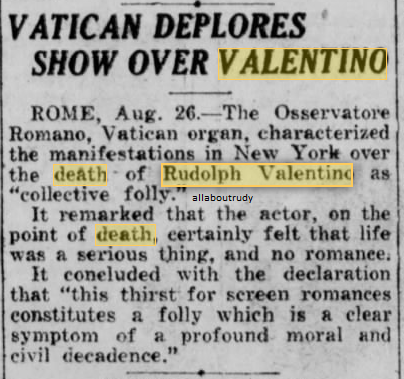
11 Feb 1934 – Ullman Loses Suit

13 Dec 1926 – Hundreds throng to Valentino Auction
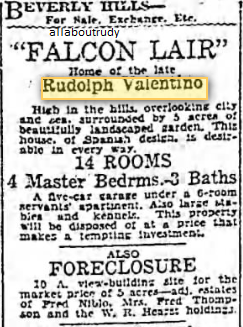
The name of Rudolph Valentino is still one to conjure with. On the first day, that his mountainside home, “Falcon Lair” was thrown open to the public, the caretaker counted 500 persons going through the house. It had been opened to the public to display the personal effects of the dead star preliminary to the auction in which the house was sold yesterday for $145,000. The collections of art objects, thirty-five oil paintings, antique furniture and books; in fact, the complete furnishings and belongings of Valentino’s home, go on the auction block. Only the clothing of the actor, some 65 suits is held out. These garments are being retained by friends for sentimental reasons. In spite of the location of the house, which is at 2 Bella Drive, high up a steep mountain road on one of the smaller mountain crests above Hollywood and Beverly Hills and far from any casual motorist, streams of people file in from morning till the house is closed in the evening. Included with the house in the auction were eight and one and half acres of gardens above it and six and three fourths acres of unimproved area. The old home at 6776 Wedgewood Place in Whitley Heights and the four lots next to it, which formed the home of Rudy when he was married to Natacha Rambova, remain to be sold. There has been some talk of preserving one of his collections of antique objects as a memorial to be placed in a local museum.
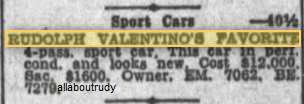
In 1929, this ad appeared in the local Los Angeles area newspaper selling one of Valentino’s cars. The amount offered is high considering who the original owner was.
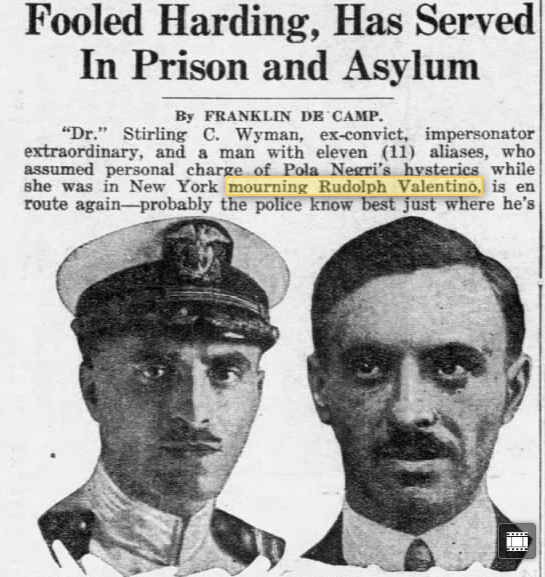
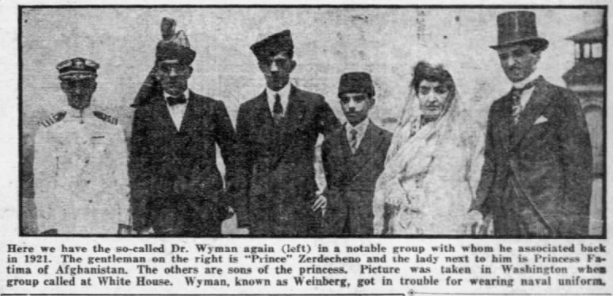
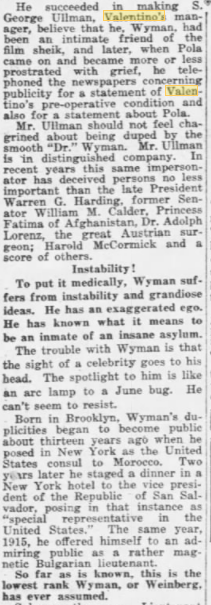
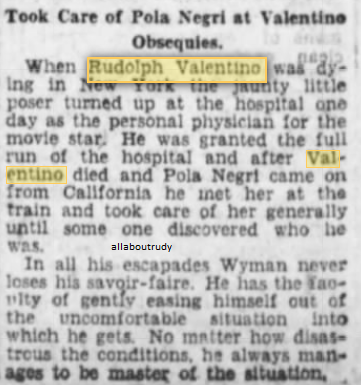
12 Sep 1926 – Fake Dr Goes to Trial
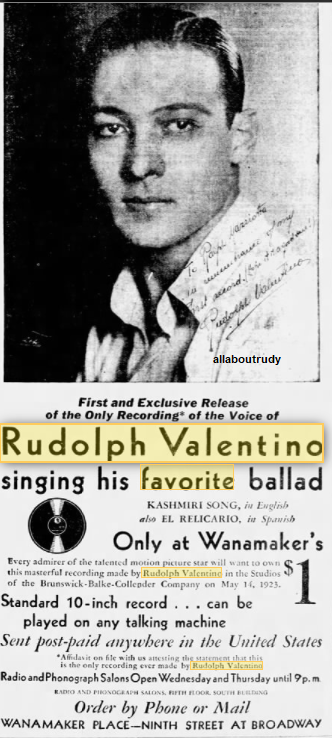
10 Sep 1930 – Valentino Record For Sale

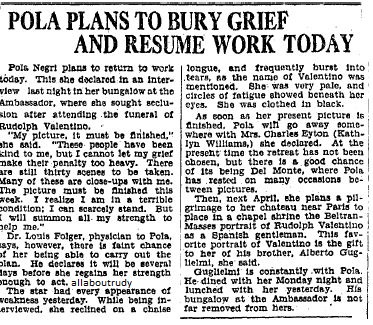
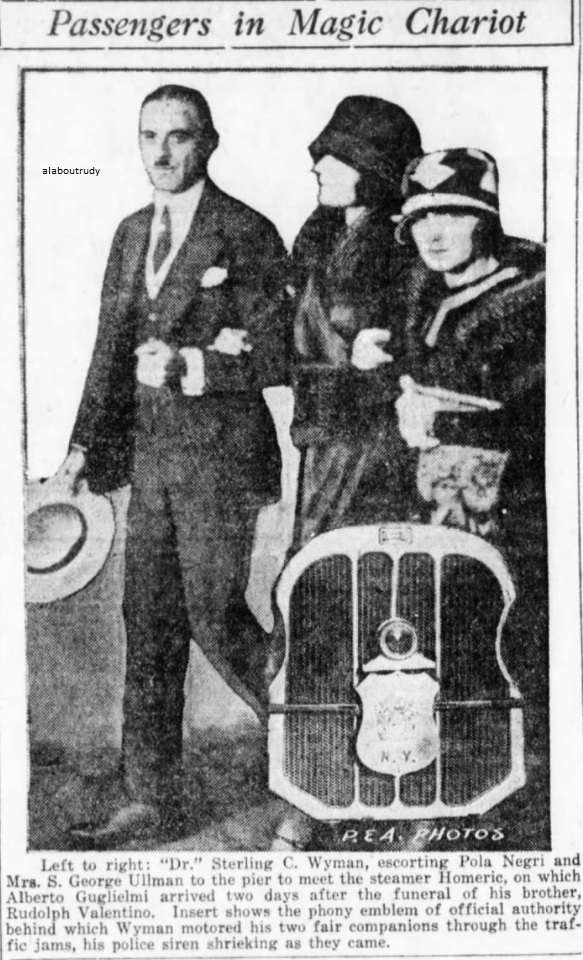
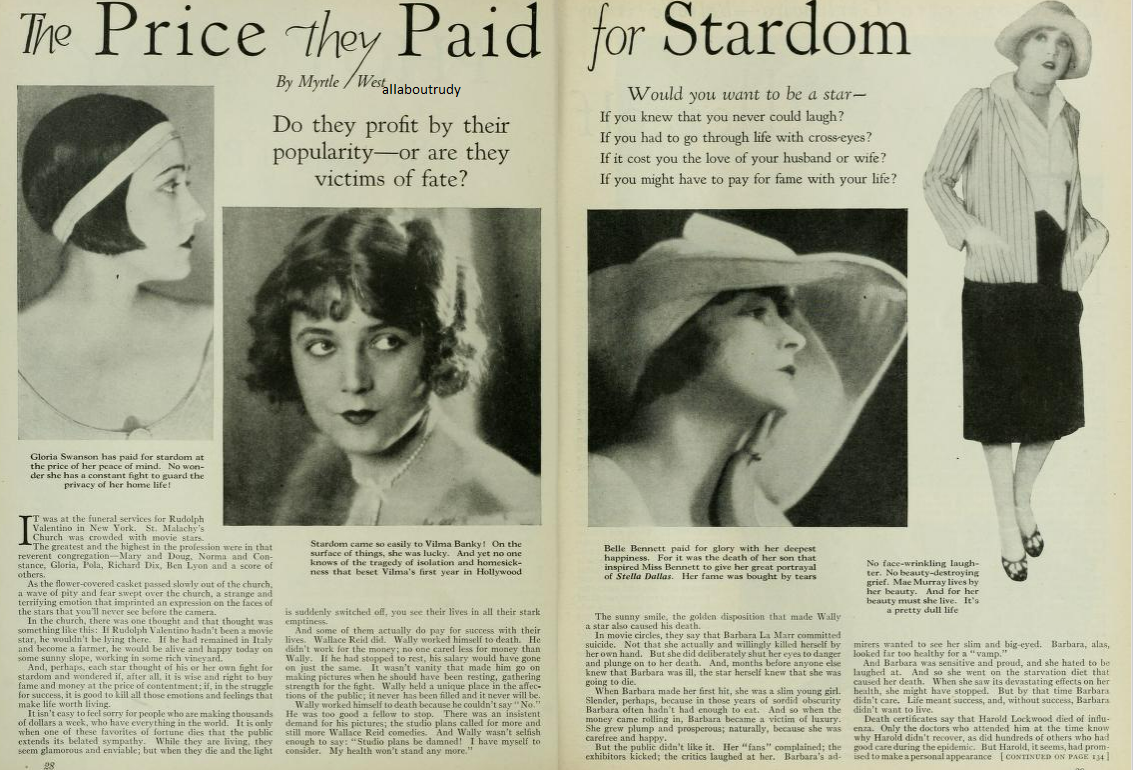
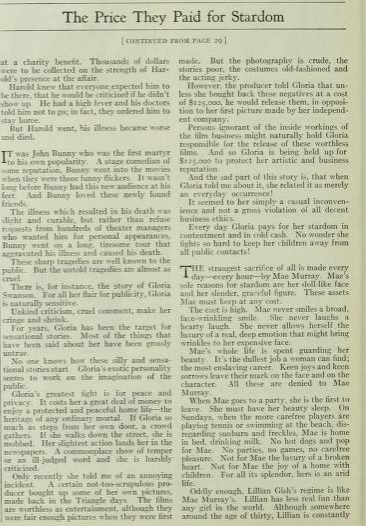
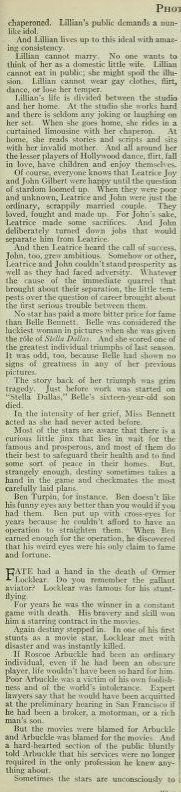
1926 – Price of Fame
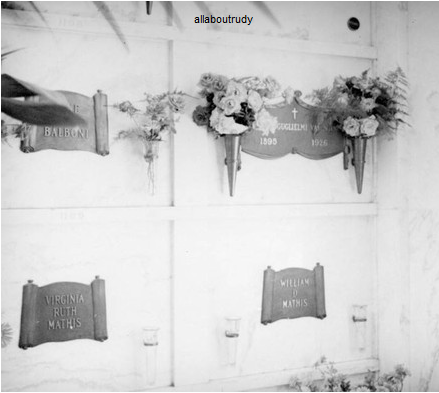
1937 – Hollywood Forever Cemetery

1926 – Valentino Memory
In 1925, famous ice carver Hans Hansen, was an onboard employee on the USS Leviathan. He was called upon to create an ice for a famous passenger Rudolph Valentino. Mr. Valentino insisted on numerous table decorations of ice when he gave shipboard teas for women admirers. Hansen says he never had just one woman to tea, but always a convey of them and las lax about paying for the dazzling icy décor. “Excuse me”, Hansen said, “ but I hated that guy”.
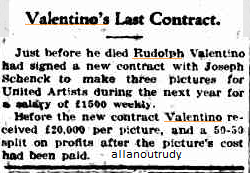
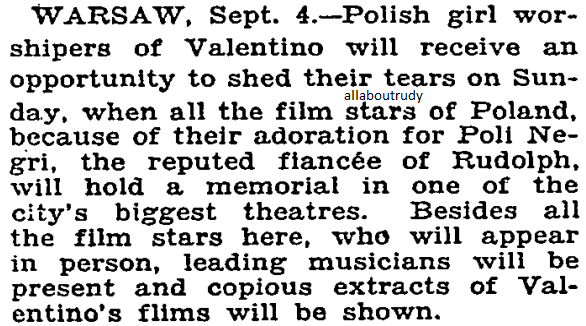
28 Aug 26 – Valentino Partially Insured by M.P. Capital
23 Aug 2023 – 96th Annual Valentino Memorial Service Review, Hollywood Forever, L.A.

Every year, the Valentino community comes together on this day, united in memory of Rudolph Valentino. Once again, with great anticipation we were all able to view the service virtually and everyone appreciated the excellent sound quality, the exceptional and moving performances of the accompanied singers, the talented musical director, and public event speakers all who were simply marvelous and ensured the Annual Rudolph Valentino Service was conducted in a fitting and respectful manner in tribute to a silent film star who continues to inspire through the generations.
The wonderful video montages and music of the 100th anniversary tributes of Daydreams Poetry Book, Marriage of Rudolph & Natacha Rambova, Mineralava Tour, Kashmiri Love Song were all very moving.
Yet for us, this wonderful memorial service ended all too soon. Our thoughts were with those there, who gave their all which is a true tribute and testimony to the preservation of Valentino’s memory.
I want to personally thank Mr. Tracy Terhune and all who work endlessly hard to ensure that the service is one of reverent and respect and that was exactly what it was.

August/September 2023 – Months Special to Rudolph Valentino Fans
For fans of both this blog and the late silent film actor Rudolph Valentino know there are two month (Aug & Sep) out of the calendar year, which makes us stop for a moment to pay a tribute to our favorite actor. Although none of us ever personally knew him yet each one of us feels as though we do. For example, each milestone of his movie career and life has been discussed, dissected, detailed, delved into a degree until we can recite from memory. We have a renewed sense of appreciation for his wit and wisdom and his presence on the big screen that comes to life only for us each time we watch a movie of his. Sadness may suddenly come upon us on the anniversary of his death (23 August) and the days that follow.
But with the passage of time, new generations of fans come forth who discovered what we all have and that is appreciation for silent film genre and Rudolph Valentino.

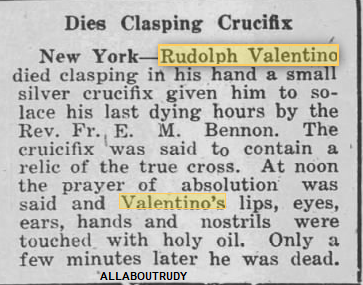
Rudy reconciled with the Catholic church and went back to the religion of his youth. For someone who said he was not a religous person it’s interesting how he turned to the comfort of his faith to give him peace. Oftentimes, people will feel at home with other religions and explore what is beyond their own back yard. But in the end, when individuals get older and wiser they will return and seek guidance and comfort in heavenly places.
Aug 2023 – 96th Annual Valentino Memorial Service, Hollywood Forever Cemetery
As a reminder, the Annual Valentino Memorial Service is once again upon us. This tasteful event is a celebration of the memory of silent film actor Rudolph Valentino. Each year, is a program honoring his life and legacy.
The date is 23 August 2023, Hollywood Forever Cemetery, Cathedral Masoleum, Hollywood, CA. This event is free to the public and will be streamed live on Facebook.

1930 – Director Robert Vignola testifies
Motion picture director Robert Vignola testifies in a civil case involving the estate of Rudolph Valentino. Mr. Vignola is an Italian born friend of the late Valentino. Mr. Vignola directed Rudolph Valentino in an uncredit role in the 1916 silent film titled “Seventeen”. After the late actor’s death, Mr. Vignola and a group of fellow Italians to no avail tried to have an Italian Park constructed in Valentino’s memory.
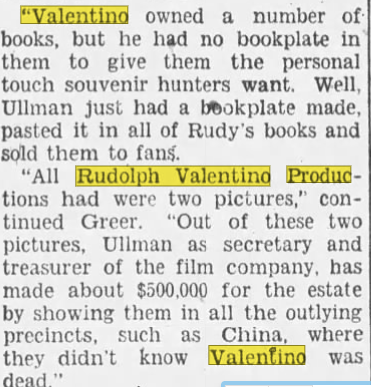
As I continue to post articles and start wrapping up this blog. Again Dec 2030 is the end date and this blog will no longer exist. I found this interesting article where it talks about Valentinos book collection. So, those that bought Ebay items that claim this bookplate was part of that collection it looks like that is false, according to this article.
8 Feb 1957 – Famed Photographer
Famed photographer Emil Minette is the photographer who climbed into an empty casket to pose as the dead Rudolph Valentino when the movie favourite of the silent film screen died. The picture made front page news in major newspapers around the world and is still hailed as one of the more enterprising albeit phony stunts of the zany period in American History.
Dec 1926 – Story of Mary Nolan and Rudolph Valentino’s Piano
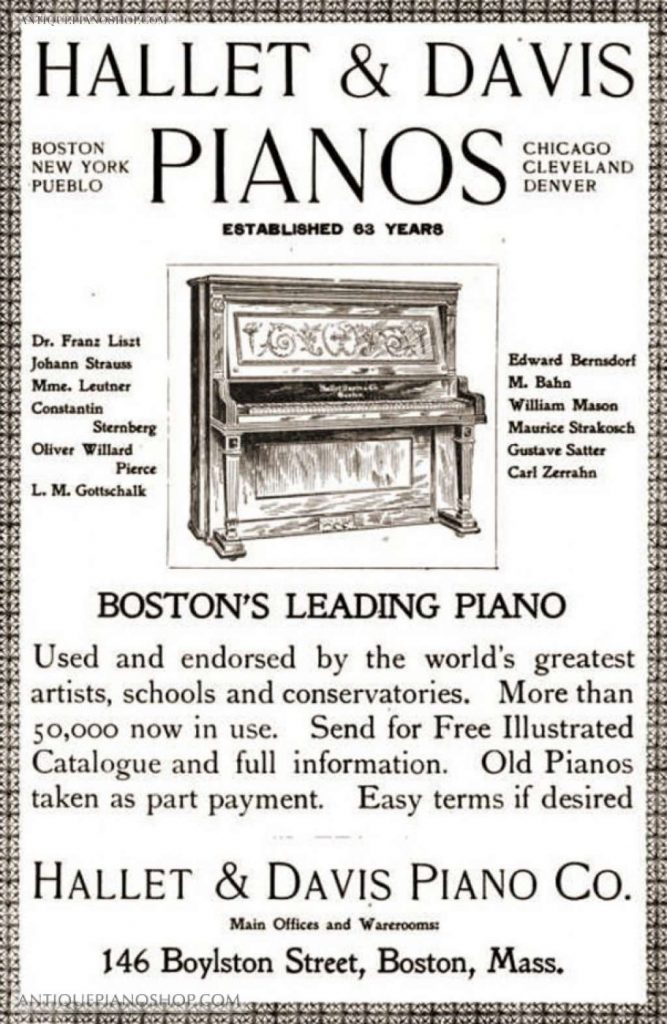
In 1835, Boston Massachusetts, Hallet and Davis founded a factory which started making high quality pianos. In 1867, during a Paris exposition, world famous composer Franz List played one of their pianos during a performance and they gained world-wide recognition. The company was so well known for their high-quality products that in 1911 Pope Pius X ordered a piano for the Vatican and awarded them a medal in recognition of their high-quality work produced.
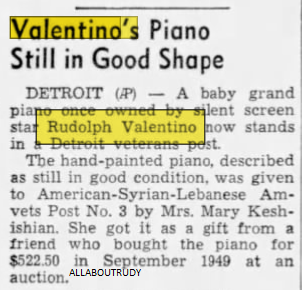
In 1925, Hallet and Davis Company was sold to the Premiere Grand Corporation of New York. In 1926, when Valentino ordered his Hallet and Davis Piano with Angelus player, this musical instrument was considered advanced for its time. The Angelus was a brand of player piano mechanism built by the Wilcox & Piano & Organ Company and was an advanced version of the mechanical player system. In Dec 1926, the Valentino Estate held an auction and subsequently published an estate catalog listing all personal items to be sold, paying off massive debts. The Hallet and Davis, with Angelus player piano was item catalogue number 89. Many of Valentino’s friends would purchase his items in remembrance and one of these friends, Imogene “Bubbles” Wilson alias Mary Nolan, former silent film star and Ziegfeld follies girl bought this massive piano. Her later years were marred by drug problems and lived in obscurity. In 1947, Mary Nolan, moved to a newly built small stucco bungalow consisting of 3 bedrooms, 1932 square feet of space located on 1504 S. Mansfield Avenue, Los Angeles, CA. When she moved in, she brought minimal furniture and an extremely large grand piano with intricate carvings that had formerly belonged to Rudolph Valentino. Besides the piano Mary paid homage to the late actor by keeping a picture of him in a gaucho costume on the music rack. In 1948, Mary Nolan died of an accidental suicide. She was not married and had no children. On 7 Apr 1949, Hart Auctions announced due to her death Valentino’s piano would be auctioned off once again. Future owners include Frances Faye, Danny Kay’s second cousin who reported she found the item at a local antique shop. The status of the piano remains unknown by this author today.
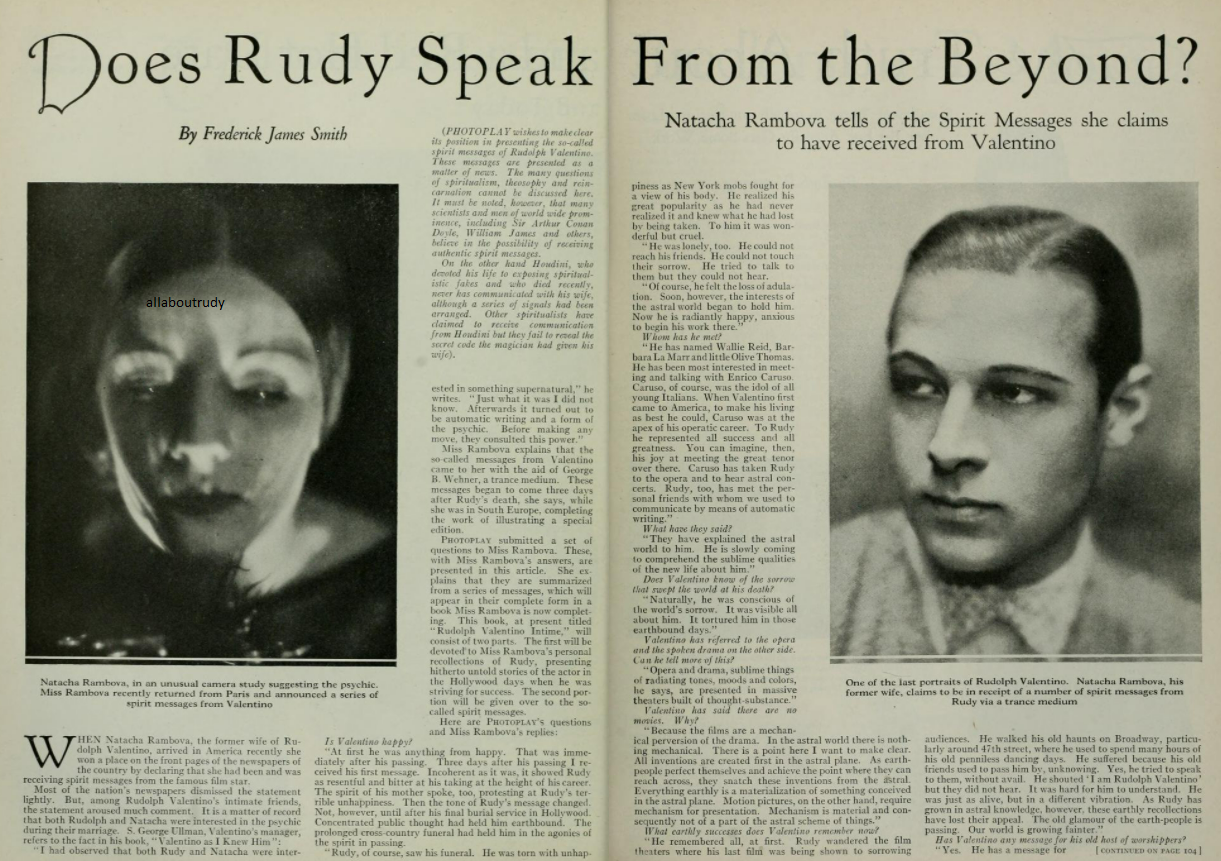
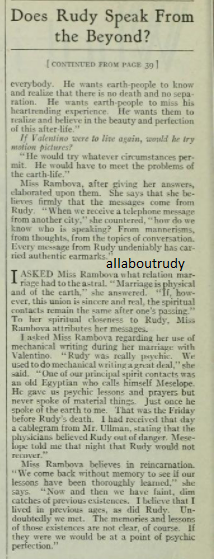
5 Dec 1926 – Voice from Beyond Fake
Dr. Crandon well known spiritualist says spirit messages from Houdini the magician and Valentino the actor are fakes. “A person must be dead four or five years before he can communicate with us. We learn this from spirits with whom we have been in touch”. Physicists wonder where those spirits are when they talk. It they are on one of the distant stars, light with travels 186,000 miles a second would take a million years to get here; and sound, as we know travels more slowly than light, 331 meters a second against 186.000 miles a second. If Houdini and Valentino, on some distant star, began talking loud enough for their voices to reach us, their words wouldn’t reach the earth in time to be heard by our descendants 500,000,000 years from now.
30 Nov 1926 – Publicity Buzzards
And now they are hearing from the ghosts of Harry Houdini and Rudolph Valentino! The world and his wife tried to get a reflected publicity by herding around Valentino’s bier while he was still above ground. Now they won’t let him or Houdini rest in peace but must
6 Oct 1934 – Royalties Still Paid on Films of Valentino
Heirs of Rudolph Valentino are still collecting royalties from his pictures more than eight years after his death it was revealed in court today. Two of the late actors’ greatest films “Son of the Sheik” and “The Eagle” are still shown in theatres throughout the world, the administrator of his estate informed Probate Judge Walton Wood. The court was asked to approve a compromise settlement of $6,093.75 with Art Cinema corporation as royalties due to the estate. The court concurred.


You must be logged in to post a comment.