
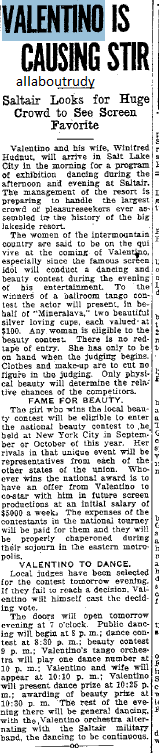
30 Jun 1923 – Utah Mineralava Contest Announcement
Categories: Uncategorized
Tags: Mineralava Beauty Contest, Rudolph Valentino
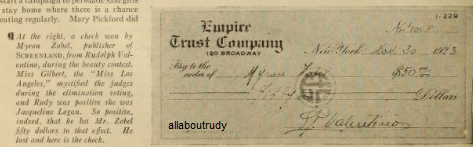
1923 – Mineralava Tour Check
Categories: Uncategorized
Tags: Mineralava Beauty Contest, Rudolph Valentino
25 Jun 1923 – Valentino Come Back
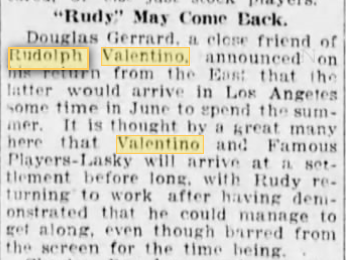
Categories: Uncategorized
Tags: Douglas Gerrard, Rudolph Valentino
1923 – June Acker vs. Rudolph Valentino
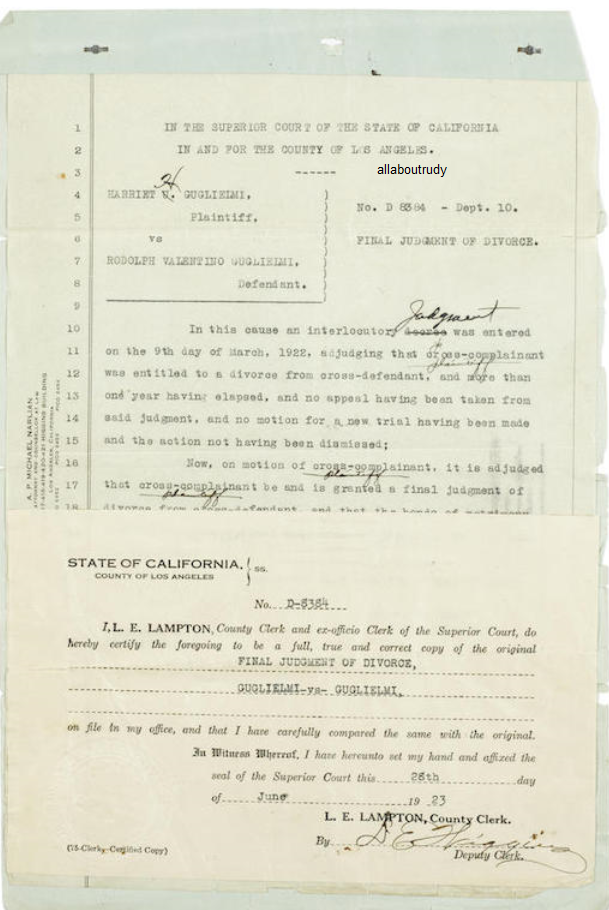
Categories: Uncategorized
Tags: Jean Acker, Rudolph Valentino
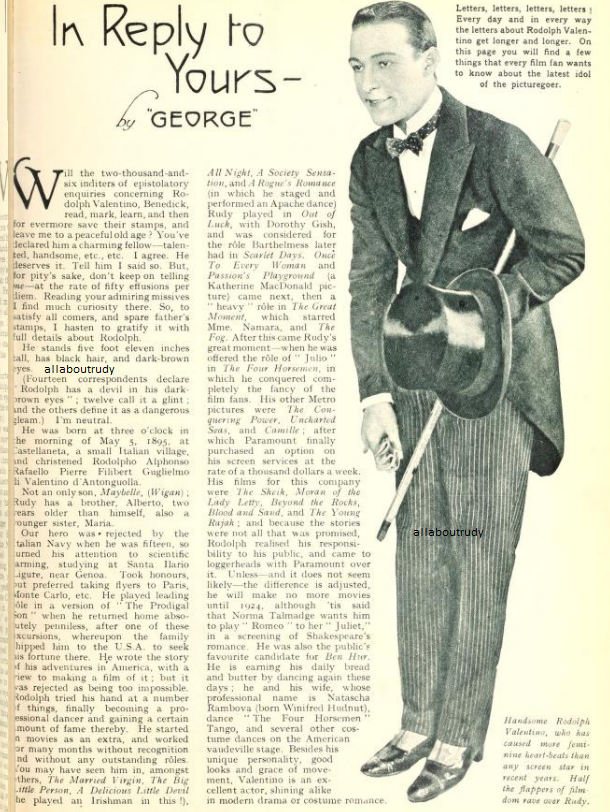
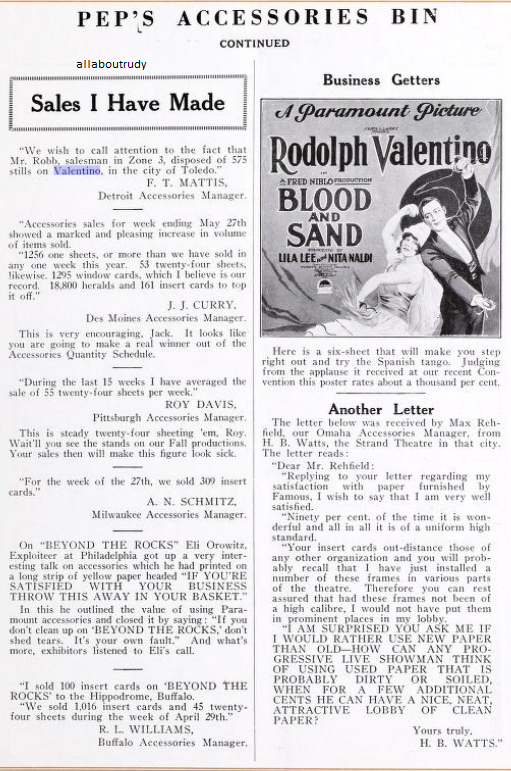
Categories: Uncategorized
Tags: Beyond the Rocks, Blood and Sand, Lila Lee, Nita Naldi, Rudolph Valentino
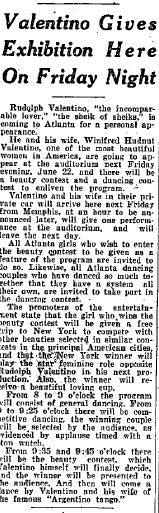
20 Jun 1923 – Mineralava Beauty Contest Annoucement, Atlanta, Georgia

Categories: Uncategorized
Tags: Mineralava Beauty Contest, Rudolph Valentino, Winifred Hudnut
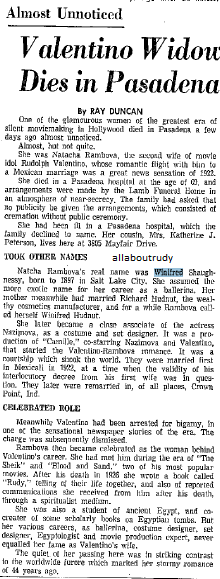
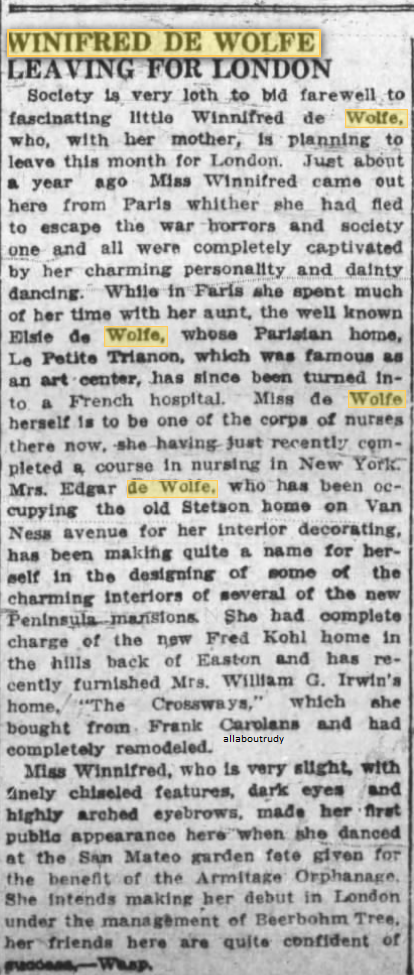
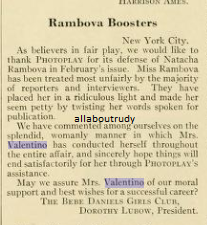
1930 – Director Robert Vignola testifies

Motion picture director Robert Vignola testifies in a civil case involving the estate of Rudolph Valentino. Mr. Vignola is an Italian born friend of the late Valentino. Mr. Vignola directed Rudolph Valentino in an uncredit role in the 1916 silent film titled “Seventeen”. After the late actor’s death, Mr. Vignola and a group of fellow Italians to no avail tried to have an Italian Park constructed in Valentino’s memory.
Categories: Uncategorized
Tags: Death of Rudolph Valentino, George Ullman, Robert G. Vignola, Rudolph Valentino
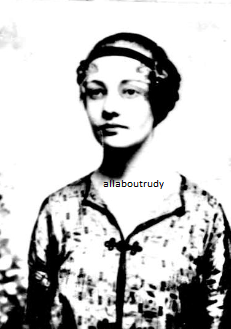
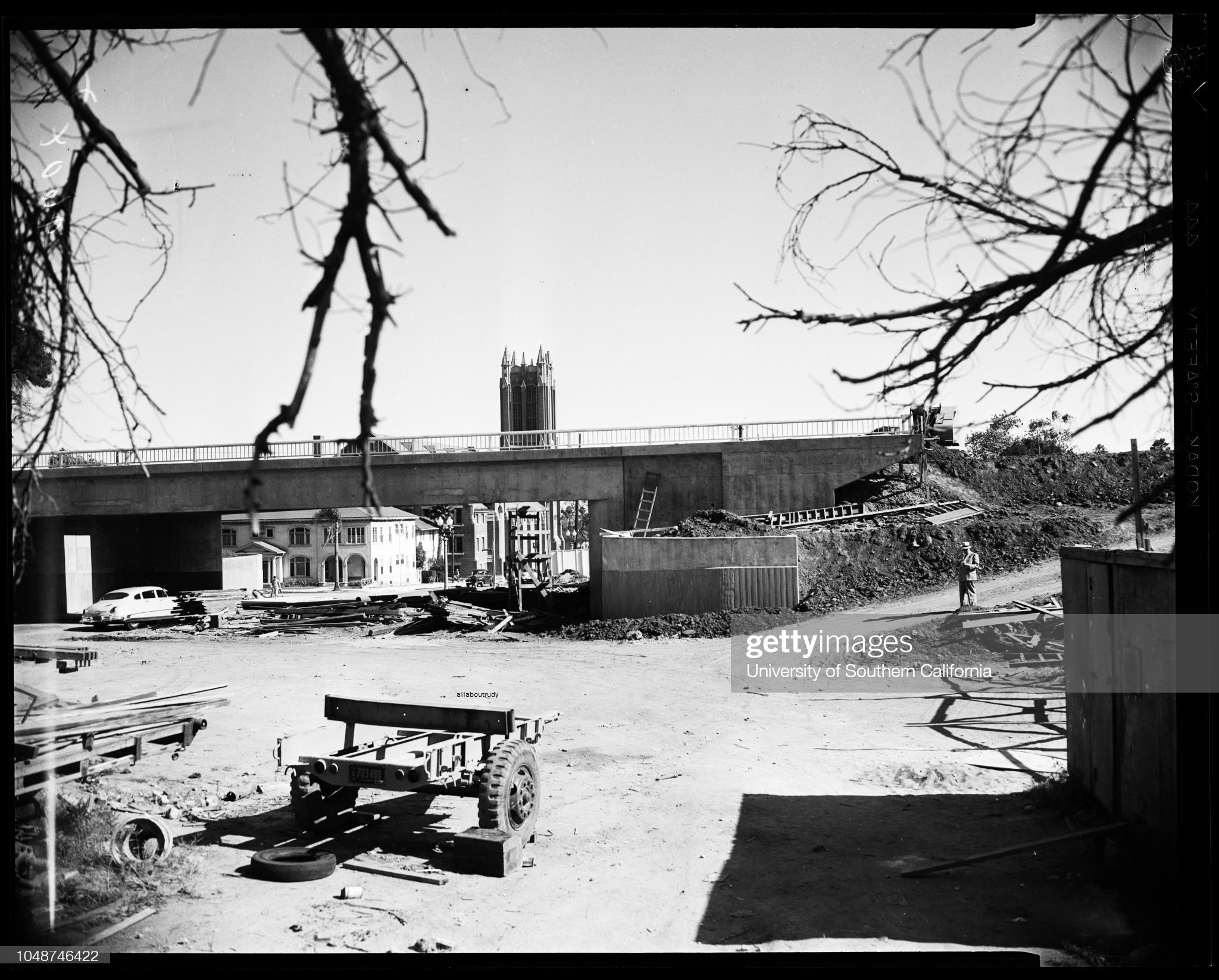
10 Jun 1952 – Whitley Heights Home Torn Down
Categories: Uncategorized
Tags: Natacha Rambova, Rudolph Valentino
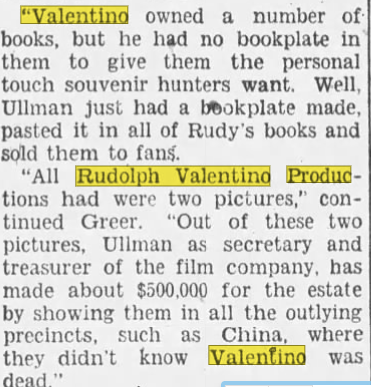
As I continue to post articles and start wrapping up this blog. Again Dec 2030 is the end date and this blog will no longer exist. I found this interesting article where it talks about Valentinos book collection. So, those that bought Ebay items that claim this bookplate was part of that collection it looks like that is false, according to this article.
Categories: Uncategorized
Tags: Death of Rudolph Valentino
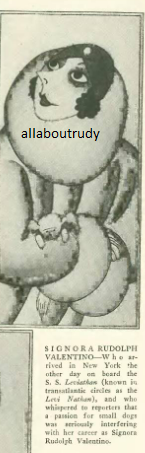
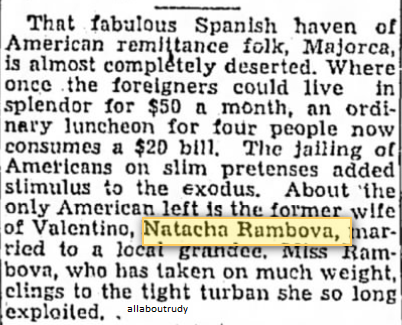
5 June 1923 – Mineralava Beauty Contest Annoucment, Salt Lake City, Utah

Categories: Uncategorized
Tags: Mineralava Beauty Contest, Rudolph Valentino, Winifred Hudnut
Jun 1923 – Mineralava Beauty Contest Annoucement, Buffalo, New York
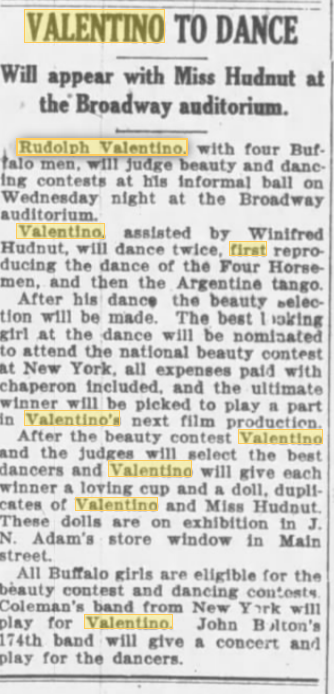
Categories: Uncategorized
Tags: Mineralava Beauty Contest, Rudolph Valentino, Winifred Hudnut
Jun 1923 – Mineralava Beauty Contest Winner Annoucement, Washington State
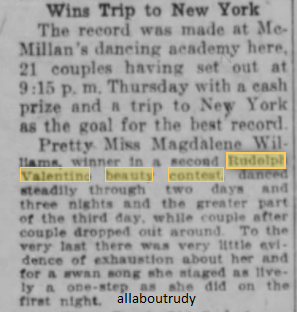
Categories: Uncategorized
Tags: Magadalene Williams, Mineralava Beauty Contest, Rudolph Valentino, Winifred Hudnut

June 1923 – What do you think?
I am writing in response to an opinion published in your movie magazine by Lance C. The tripe he wrote annoyed me by saving we girls are changeable and fickle. That when we eulogise a new film star, we immediately forget the old favourites. I’m most awfully fond of nearly a dozen fine film stars, and yet I’ve tons of room in my heart for Rodolph Valentino. Please tell the world, that we girls have elastic hears and can cram no end of loves inside for anybody but the worthless idiot Lance C after his cutting and quite inexcusable remarks. No one with a nice name like that ought to say nasty things about girls. Don’t you think I’m quite right? About the elastic hearts, most certainly I do.
From Betty, Dorset
Categories: Uncategorized
Tags: Rudolph Valentino
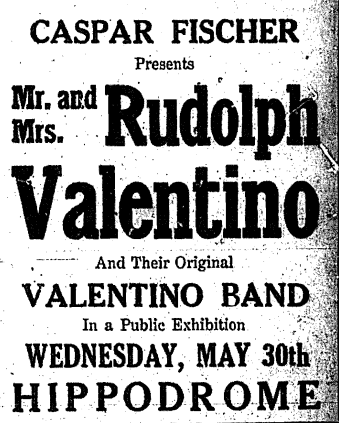
30 May 1923 – Mineralava Tour Announcement, Seattle, WA
Categories: Uncategorized
Tags: Mineralava Beauty Contest, Mrs. Rudolph Valentino, Rudolph Valentino

28 May 1923 – Mineralava Beauty Contest Annoucement, Montana

Categories: Uncategorized
Tags: Mineralava Beauty Contest, Mrs. Rudolph Valentino, Natacha Rambova, Rudolph Valentino
26 May 1929 – Mystics Rule Hollywood

The lines are forming at the right before the séance chambers of Hollywood soothsayers. Hollywood elite do not advertise going to the occult in order to see what the fates have in store. Norma Talmadge introduced noted psychic Dareos to the film colony. foretold of Chaplin’s numerous marital troubles and promised Mae Murray she would have a baby by husband noted fake Prince M’Divani. Soothsaying has always thrived in Hollywood and now its faring better than ever before. Dareos makes such a good living that he is now both well fed and well-dressed living in a large home in Ocean Park. Some players will not sign new movie contracts without consulting their favourite palmist, card reader or spirit guide. Astute producers will not begin new pictures unless their trusted astrologist tells them when the stars are favorably disposed. From ping-pong to mysterious seances, crystal gazing, numerology, phrenology and palmistry, the film colony goes into its anxious attempts to peer into the uncertain tomorrow. Louise Fazenda introduced numerology as a fad and for several years was all the rage. Phrenology was a favourite of Wally Reid, Eugene O’Brien, and Tom Mix and seances had its time. The beautiful Laurel Canyon home of the late Rudolph Valentino was a setting for many a search into the hereafter. June Mathis and her mother, Rudolph Valentino, Natacha Rambova all devoutly believed in their seances. They usually met alone since communicating with the other world was not just a passing fancy with them as it was with the rest of Hollywood. Indeed, since Valentino’s death Natacha often declares to the news reporters she is in close touch with Rudy in the spiritual realm. The Ouija Board came to town and many movie people sat for hours over it. However, movie stars that seek advice from these so-called mystics, soothsayers, or psychics who may or not be correct. On the other side of the coin, these psychics are living just as good as the people who pay them.
Categories: Uncategorized
Tags: June Mathis, Natacha Rambova, Rudolph Valentino, Tom Mix, Wally Reid


Categories: Uncategorized
Tags: Rodolph Valentino "The Young Rajah"
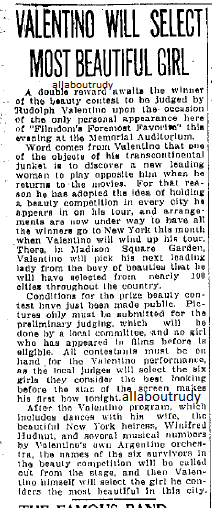
23 May 1923 – Mineralava Tour Award Selection
Categories: Uncategorized
Tags: Mineralava Dance Tour, Natacha Rambova, Rudolph Valentino
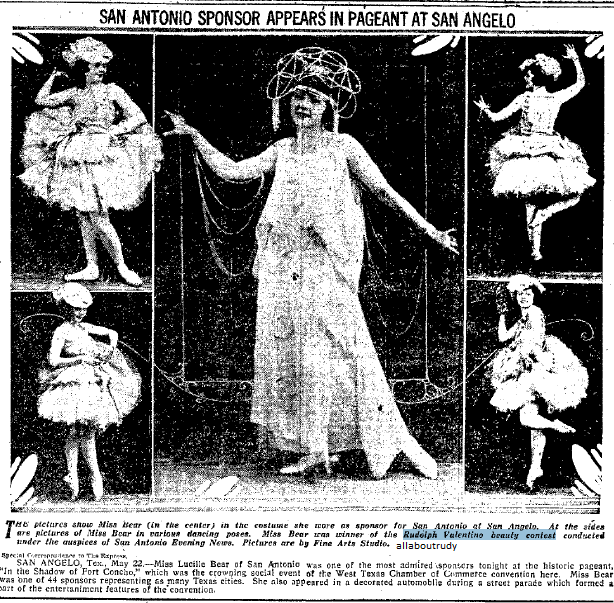
22 May 1923 – Mineralava Beauty Contestant Appearance, San Angelo, Texas
Categories: Uncategorized
Tags: Lucille Bear, Mineralava Beauty Contest, Natacha Rambova, Rudolph Valentino

May 1923 – Washington State Winner Mineralava Beauty Contest

Categories: Uncategorized
Tags: Mineralava Beauty Contest, Rudolph Valentino

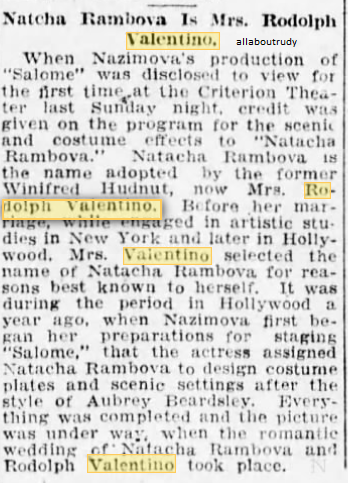
13 May 1935 – Former Mother-in-law died
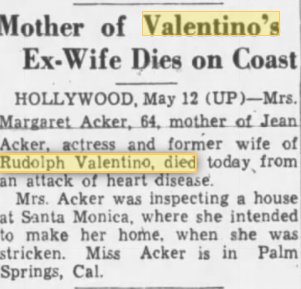
Categories: Uncategorized
Tags: Jean Acker, Rudolph Valentino
10 May 1923 – Broke Star wouldn’t donate
According to a Waterbury newspaper, no star of the screen ever received the panning and knocks that were handed out last week, following the appearance of Rodolph Valentino, and, in fact before he had left town after his engagement with his Mineralava Dance Tour. The kicks at the Sheik are due to his refusal to contribute to a fund being raised by Waterbury post of the American Legion, saying that he was “up against it financially” and declined to contribute or sign a pledge card and was reported as not being in the position to do so and with refusing to give the sum of $1. It was understood that he received $1,000 for his engagement—appearing less than a half hour in his dancing act with his wife. AA very patriotic person indeed that is more concerned with what is in his pocket than his fellow man.
Categories: Uncategorized
Tags: Mineralava Dance Tour, Natacha Rambova, Rudolph Valentino
9 May 1923 – Mineralava Beauty Contest Announcement
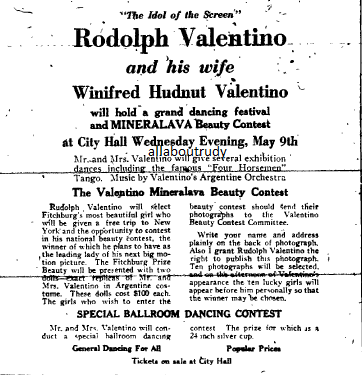
Categories: Uncategorized
Tags: Mineralava Beauty Contest, Natacha Rambova, Rudolph Valentino
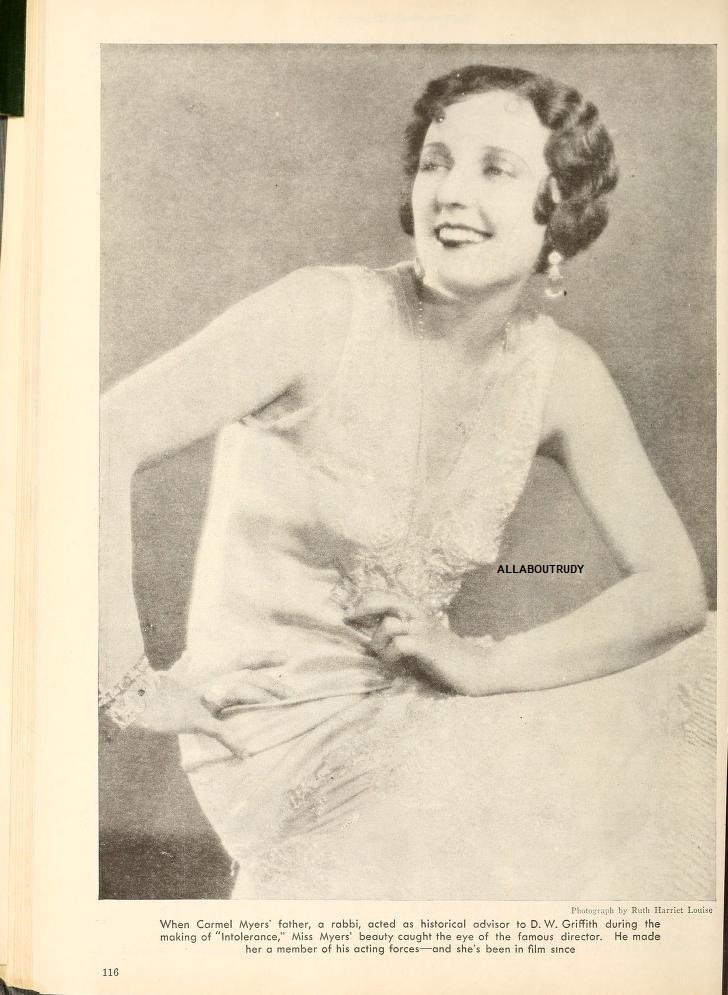
4 May 1923 – Lowell MA Mineralava Beauty Contest Visit
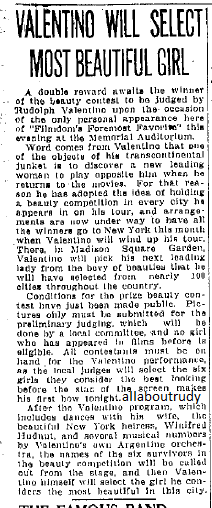
Categories: Uncategorized
Tags: Mineralava Dance Tour, Rudolph Valentino
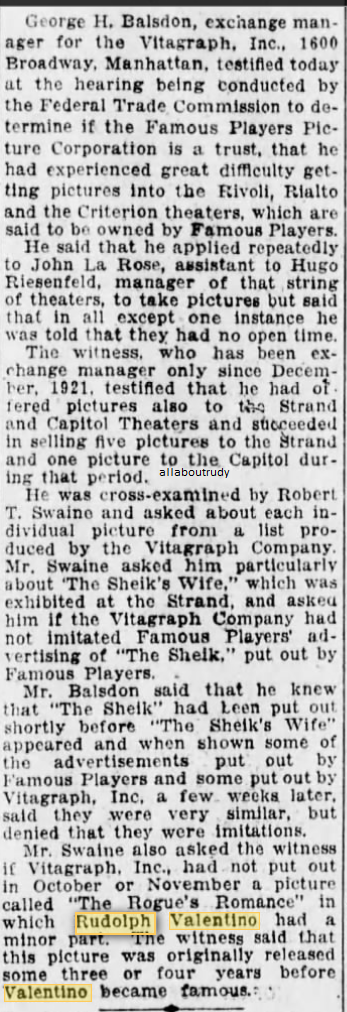
3 May 1923 – Federal Trade Commision vs. Famous Players Picture Corp
Categories: Uncategorized
Tags: Famous Players-Lasky, Rudolph Valentino, Vitagraph Studios
May 1923 – What’s the Matter with the Movies? by Rudolph Valentino
There is nothing the matter with the movies that cannot be remedied. This is indeed fortunate–for the movie has earned an important place in the life of the American public. No one will deny that motion pictures have been helpful, instructive, and entertaining. No one doubts that they can be a great influence for good–or evil and everyone knows they are too big to be ignored. They have assumed such importance as to incur a proportionate responsibility and yet those entrusted with their development choose to close their eyes to the writing on the wall. The principal trouble with the motion picture today is that it is an industry, not an art. It has been too highly commercialized for its own good. Of course, the businessman is necessary to the motion picture, but not to the exclusion of the artist. It is right and good that Fords and locomotives and adding machines and safety razors and lead pencils shall be standardized and turned out according to hard and fast specifications–and that quantity production shall cut down overhead. It is also good business that the distributing station be standardized and handle the usual full line of equipment at standard prices. But those methods are bad medicine for motion pictures. The film made to the dollar-ruled specification, turned out on a quantity production basis, added to the cut-and-dried program, and then released throughout the trust-controlled theatres is, without doubt, a specimen of efficient industrial production but as an artistic entertainment it is a sad failure. No one doubts that pictures can be produced under this highly efficient business method much cheaper and faster than by the old “hit-or-miss” artistic way–and that these pictures can net their producers and distributors a much larger return per dollar invested than those handicapped by artistic requirements. But after all what are you spending your money in your local moving-picture theatre for? To see artistic, fascinating pictures or to build fortunes for those in control of the industry? There the heart of the problem is exposed-the average motion picture is made to fatten purses, not to entertain the public. Commercial motion pictures have their rightful usage, as have also less artistic films of entertainment, just the same as commercial art has its proper place, and commercial music and jazz, and advertising and cheap vaudeville and burlesque. But how would you like to discover the powers that be insisting that you must take your art and your music and your literature “according to our program.” Suppose you went to the Grand Opera and heard a little factory-produced opera, then a little jazz and then a half hour of song “plugging” flavored with ten minutes of Galli-Curci or Chaliapin singing a nursery rhyme. Or suppose when you purchased a set of Shakespeare you found every other page devoted to advertising or publicity writing or that your evening to Ethel Barrymore was four-fifths taken up by an act of cheap melodrama, a little burlesque, a bit from the minstrel and an acrobatic squad. Suppose that when you attempted to buy pictures for your home you discovered they could only be shown in connection with commercial drawings. Yet you get just about such a hodgepodge when you attend a motion picture theatre running trust-controlled programs and with the trust growing stronger every day the independent exhibitor is being driven farther and farther into the corner. All of which is very fine for efficiency and profit, but very bad for art and entertainment. In my opinion 75 per cent of the pictures shown today are a brazen insult to the public’s intelligence. The other 25 per cent are produced by such masters as D. W. Griffith, Douglas Fairbanks, Mary Pickford, Charlie Chaplin, the Talmadge interests–and a few other independent stars and producers who realize that the making of pictures is an art, not an industry. Such splendid features as “Broken Blossoms,” “Way Down East,” “Tolerable David,” “Little Lord Fauntleroy,” “Robin Hood,” “The Kid,” “When Knighthood was in Flower,” along with a few other movie productions which rank amongst these, have invariably been received in such a way as to prove that the American public wants and appreciates artistic productions. The next thing to do is demand them. The public always gets what it demands. All of these pictures were produced by. dependent companies who loathe to follow the factory cut-and-dried methods perfected by the picture trusts. The various stars and directors who have fought and dared to produce films of real merit are keeping faith with you in spite of the handicaps they face. They are courageously battling the interests that are monopolizing not only the production but the exhibition of motion pictures. They deserve your unqualified support. The only hope for the future of the moving picture lies with them. Support them and you will enjoy pictures made by conscientious producers, from real stories, pictures in which the artists have an opportunity to give you the best they have. Under the present system the actor is treated like a factory hand–is driven helter-skelter through a picture by a director who is afraid of the slave-driving studio manager who, in turn is spurred to increased production by producers and these producers have but a single motive–profit. Such producers established themselves by imitating, in a superficial and insincere way, the artistic productions of D. W. Griffith, Mary Pickford and others by cashing in on their creative genius. Then they were merely parasites and now they are infinitely worse. Instead of merely imitating, they are attempting to crush the conscientious producer and their method of crushing is efficient–as is every other business scheme they have worked out. The blade with which they are trying to knife the producer of artistic pictures cuts two ways. First it hamstrings him and then it cuts off his lines of distribution. Process No. 1 is to discredit the stars that work with him and at the same time reduce to a minimum the value of the production on which he is working. The most efficient way to discredit stars is to make them common–to belittle their work; to prevent them from expressing their own interpretation of art; to compel them to perform poorly. Name over to yourself a dozen of your favorite stars. When you think of moving picture stars you think of them and now suppose that eight of that dozen were hired by powerful syndicates and put to work on cheap pictures. Suppose that the pictures they made were weak and their work was unconvincing. Suppose each of them made four pictures, or even six or ten pictures, to every picture one of the other four made. In other words, suppose that of every ten pictures featuring your favorite stars nine were weak and the stars’ work most disappointing. Wouldn’t you begin to feel that it was not the star but the picture that counted and the method of discrediting real artistic feature pictures is as simple. D. W. Griffith produces a marvelous spectacle–the work of countless months of time and the genius of true artists impresses you mightily. You must see the next spectacle of that kind when it is released. So, the “industrial” producers figure. Before D. W. Griffith can produce another masterpiece, they flood the theatres with dozens of cheap imitations, each heralded as the peer of Griffith’s best work. So grossly are they misrepresented, flagrantly are they mis-advertised and so miserably do they fall below your expectations that you naturally “swear off” spectacles for the rest of your life. “Who suffers?” The conscientious producer. No matter how good it may be, his next production is almost guaranteed a failure, now. Meanwhile the imitator flits to the next artistic production and proceeds to copy it, cheaply. In doing so he shackles a star to a weak part and then rushes him through the picture, thus killing two birds with one stone. For the public feels it has been hoodwinked by stars and features. Real stars and real productions are all the independent producer with the conscience has to offer, he suffers once again. Do you wonder then that a moving-picture actor whose hope for the future lies in his work of today repudiates an unfair contract rather than be a party to the ruination of good pictures? That is why I have refused to work for picture butchers at $7,000 a week on cut-and-dried program features and have offered to return to work for twelve hundred and fifty dollars a week if a competent, conscientious director directs my work in worth-while features. The trusts method of curtailing the independent producer’s distribution is also very efficient. This is accomplished through its distributing mediums. Again, we find its methods twofold. They sell complete programs, a trick by which the small exhibitor must show a whole year of their pictures in order to get any at all–and then he must take the whole program, just as it is turned out of the mills. The other method is to secure interest or ownership in theatres and permit them to show only trust pictures. So, it is not always the fault of the exhibitor who runs the theatre you patronize if the ordinary program pictures you see day in and day out are not up to your expectations. He is not to blame any more than is the artist who appears in the picture you take exception to. The poor exhibitor, in order to secure a few good pictures with real box-office value, is forced to sign the trust’s entire output for the year and so he must contract to rent eighty-two or more pictures, though he knows full well that some will be so impossible he will have to refrain from showing them and simply pocket his loss. That is what is the matter with the movies and that is why the American public spent only one half as much on pictures last year as they did the year before and that is why they will spend even less next year, if something is not done to remedy the situation. The American public wants good pictures and is entitled to them. The conscientious producers want to produce good pictures and should be supported in doing it. The real artist-actor wants to give you the best there is in him. In order to do this, he must be allowed to act in high-grade pictures and take sufficient time to make them. Art is the only weapon with which the conscientious producer and the artist, or star, can fight the commercialism of the trust producers. Naturally the trust wants to discredit art and lower the public’s idea of what the standard of pictures should be. The lower the stan. ds, the cheaper the pictures can be made, the lower the overhead, the more the profit. Now you can understand why Rudolph Valentino is not making pictures. The merciless cutting of “Blood and Sand” threw me into grave doubts. My experience in “The Young Rajah” verified my fears. I realized that I was not going to be permitted to act in real pictures or give the necessary time and study to my work. What did that mean to the commercial producers. They wanted film–thousands of feet of film and they wanted it quickly. The quicker the film was made the less the overhead, and the sooner the release. So, we hurried through. Night after night we worked–sometimes until daylight. We finished the picture on 10 August, at three in the morning and apparently those movie producers were convinced that midnight oil is conducive to genius. I’m not going to hurry through any more pictures, and I’m not going to be cast to parts that are unworthy of a novice or a worn-out ham. Other movie actors have taken this stand. Some have fallen by the way. Some have emerged victorious–Mary Pickford, Douglas Fairbanks, Charlie Chaplin, Talmadge girls, and now comes Harold Lloyd. Forget Valentino and his little squabble–but keep your eyes on the independent producers and on these stars. Compare their productions with those of trust-controlled producers. Remember that your money is the deciding vote whether the independent producer prospers and gives you real pictures or whether the trust monopolizes the whole industry and feeds you what profits it best. You are to be the judge. I know what your verdict will be. I have been asked why the producers so mercilessly hacked “Blood and Sand.” When the film was completed, it went to the business office. It was measured. It was too long–the most heinous offense known to the trust–a full six hundred feet too long. Its extra length meant a little less profit. So, to the butchering rooms it went. Of course. certain parts of it could be re-acted and condensed and thus keep the continuity clear. But that meant more time, more money and less profit. So, clip, clip, clip. And the very heart of the film was cut out. How much that saved, I do not know, but it saved money. What if the public was a little confused and disappointed here and there? The picture would get by. Everybody knew it was good. Why quibble about a scene or two? As a matter of fact, the picture was a lot stronger than it needed to be. And making pictures too good was simply piling up trouble for the future. It was spoiling the public. The better you give them the better they want. The thing to do was to standardize picture quality. Then they wouldn’t always be demanding the world and all for the price of one admission. With that philosophy in mind, they made “The Young Rajah” and I quit maybe I’m temperamental because I refuse to caper through rot on the strength of what reputation I may have earned. But this I know–the “Rajah” picture was the first step down. After that the descent would have been steady–and not so slow, either. Maybe it is unbusinesslike to repudiate a contract that involves you in producing films in which you cannot possibly give the public what it is paying for, and in a process of cheapening that would mark one as a puppet rather than as an actor. If it is, then I’m unbusinesslike. It just happens that I have ideals–and hopes. I am sorry I ever acted in “The Young Rajah.” I will never act in another picture like it. The public wants art in pictures, and I believe I can put it there. Doug and Mary and Charlie and D. W. have done it and I’m going to try.
Categories: Uncategorized
Tags: Charlie Chaplain, Douglas Fairbanks, DW Griffith, Mary Pickford, Rudolph Valentino
1 May 1923 – Mineralava Beauty Contest News Update

Categories: Uncategorized
Tags: Jack Curley, Mineralava Beauty Contest, Mrs. Rudolph Valentino, Natacha Rambova, Rudolph Valentino
May 1923 – 100 Years Ago, Mineralava Tour Stop Seattle, WA
During his 1923 Seattle visit, Rudolph Valentino was in the midst of a dispute with his studio, Lasky-Paramount. Battles over power and control were being waged behind-the-scenes, but publicly the actor claimed to be protesting the cheap program films to which he had been assigned, as well as the practice of block booking. In an era when popular movie stars routinely appeared in three or four new film releases a year, Valentino resisted the studio’s demand that he works. (Block booking was an early distribution practice whereby a studio would tie the releases of major stars to less ambitious efforts. Exhibitors wishing to screen “marquee” pictures had to sign exclusive agreements that forced them to also show the studio’s third-rate potboilers. Exhibitors strongly protested this arrangement.) For failure to work, Lasky-Paramount eventually suspended Rudolph Valentino, and went as far as to obtain a court injunction preventing the actor from appearing onscreen until after his Paramount contract expired on February 7, 1923. The studio felt they had called Valentino’s bluff, since he and second wife, Natacha Rambova (formerly Winifred Kimball Shaughnessy) were heavily in debt. But the pair countered by mounting a personal appearance tour organized by George Ullman (later Valentino’s business manager), and sponsored by Minerlava, a beauty clay company. For 17 weeks, the couple gave dance exhibitions across the United States for a reported $7,000 per week, keeping Rudolph Valentino in the public eye and based on their commercial pitches for Minerlava, providing the company with valuable exposure. The tour began in the spring of 1923 in Wichita, Kansas, where public schools closed on the day of his appearance. Despite the excitement that Rudolph Valentino brought to almost every stop on his itinerary, the star’s arrival in Seattle was relatively low-key. The Valentino’s were expected at 9:40 in the evening on May 30, 1923, traveling from Spokane in the star’s private rail car. From the train station, they were to be whisked to the Hippodrome at 5th Avenue and University Street, where Valentino was slated to help judge a combination dance contest/beauty pageant at 10:00 p.m. According to publicity for the event, the pageant served as a national search to help find the star’s next leading lady (a role which eventually went to veteran Paramount actress Bebe Daniels). Unfortunately, their train arrived much later than expected, and the Valentino’s entered the Hippodrome well after the dancing competition. The actor then sat with other judges behind a curtain for the remainder of the beauty pageant, which concealed him from the audience, most of whom had come solely for the opportunity to see the motion picture star in person. When all was said and done, Rudolph Valentino personally selected Katherine Cuddy, a local stenographer, as the beauty contest winner, turning down the half-hearted challenge of Seattle Mayor and fellow judge Edwin J. Brown (1864-1941) on behalf of another contestant. It is hoped that Brown’s candidate did not know that the mayor was championing her cause, for the next day it was widely reported that Valentino rejected her for having bad teeth. (Ironically, Brown — who was a prominent Seattle dentist as well as a doctor, lawyer, and politician — did not notice this defect.). The Valentino’s followed the beauty judging with an electrifying demonstration of their famous Argentine tango, recreating the dance scene from The Four Horsemen of the Apocalypse. Both were dressed for the part; as one account put it: “It is in Rodolph’s [sic] blood to wear black velvet pantaloons and stamp his black patent leather boots and click castanets. His manner was quite Argentine; his hair quite brilliantine” (Dean). Natasha Rambova was also clad in black velvet, offset with a red Carmen-like shawl. “[She] is very brave to put on a ten-dollar pair of black silk stockings so close to her partner’s three-inch silver spurs,” noted Times reporter Dora Dean. Dean managed to sneak backstage after the exhibition and take a spot in Rudolph Valentino’s dressing room, where she found the actor quite blunt about all the attention his appearances had been garnering. The moment he arrived at the Hippodrome, for instance, a large crowd of girls — “starving for romance,” the actor noted with some disdain — surged toward the stage. Adoration of this sort wore on Valentino, for it overshadowed his attempts to be taken seriously as a performer. “`From persons who saw the Four Horsemen I have received intelligent letters of appreciation,’ [Valentino] said. `I like them better than the adoring notes from little girls who want me for their sheik.’ “`But what are you going to do, when all those darling girls want to see you ride [in] the desert and gnash your teeth?’ he was asked. “`Ah, they should stay at home with their husbands,’ said the slick-haired actor” (Dean). Wanda Von Kettler, writing for the Star, also managed to get herself into Rudolph Valentino’s dressing room at the Hippodrome. It must have been a crowded place: Mayor Brown and Washington’s Lieutenant Governor William Jennings “Wee” Coyle (1888-1977) also fought for space amongst a crowd of reporters and fans. According to Kettler: “Beside Rodolph [sic] sat Mrs. Valentino, his tall and slender, brown-eyed wife, in her Argentine dancing costume … “He surveyed his guests. Then told them that he wasn’t a `sheik.’ “`Of course,’ he declared, with a somewhat resigned laugh, `I’ve gotten considerable publicity because of the name. But I don’t know if it’s been the right kind of publicity. The very sentimental girls think I’m all right. They like me. But what about the intelligent women — and the men? Don’t they think I’m a mollycoddle? They do. When I go back in pictures, after the fight with the movie concern is over, I’m going to prove that I’m not the type they think I am. “Valentino plans to write a book. He confided so to some of us Wednesday night. “`It’s going to be a book on the tango,’ he declared. `I’m going to teach all America to dance that dance. Everybody seems to like it, so why not help them learn it.’ “‘Dancing,’ he added, `is the greatest stimulant of the day, and is more and more being recognized as such. Since the event of prohibition, it has increased 50 per cent.’ “Valentino doesn’t `mind’ the letters he receives from admiring ladies. “`I’m very glad to know,’ he explained Wednesday night, `that I’m being appreciated. I like to hear the opinion of the public, whether it’s for or against me. But I know the ladies aren’t `in love’ with me. They’re in love with an `ideal’ and they sometimes write to me as a result.’ “As for Mrs. Valentino – being a sheik’s wife doesn’t bother her at all. When asked about her stand on the matter, she laughed and replied, `I want him to be popular. The more popular he is, the better I like it’” (Kettler). Following the Hippodrome appearance, the Valentino’s traveled northward for scheduled engagements in Vancouver, British Columbia. They returned to Seattle on June 1, 1923, for a visit to Children’s Orthopedic Hospital, where they were guests of honor at the institution’s Pound Party. An annual charity event, the benefit took its name directly from its open request: In lieu of donations, the Hospital accepted a pound of anything — food, clothing, etc. — which could be used to help those in need. The Valentino’s were the hit of the function, which a spokesman later declared the most successful in the history of Children’s Orthopedic. In total, the event netted a record amount of food and clothing and almost $400 in donations, $10 of which came from the actor himself. Credit for the success was given solely to Rudolph Valentino’s appearance, which garnered much more public interest than past charity drives. It also attracted hundreds of fans to the front lawn of the Hospital, mostly young women hoping to catch a glimpse of the actor as he came and went from the gathering. Thankfully, the throng outside conducted itself in an orderly fashion and the party went off without a hitch. After partaking in an afternoon tea and reception, the Valentino’s went from bed to bed throughout the Hospital, visiting nearly every child and showing a sincere concern for their wellbeing. “A few of the sheik’s queries concerning child culture demonstrated a decided lack of knowledge on the subject but a willingness to learn,” the post-Intelligencer got several nurses to admit afterward. “He was quite exercised over the lack of teeth in the mouth of one baby, age eight days” (Seattle Post-Intelligencer, June 2, 1923). After the Pound Party concluded, the Valentino’s slipped quietly out of the city, making their way first to Tacoma, then back down the coast toward Hollywood.
Categories: Uncategorized
Tags: Mineralava Dance Tour, Natacha Rambova, Rudolph Valentino
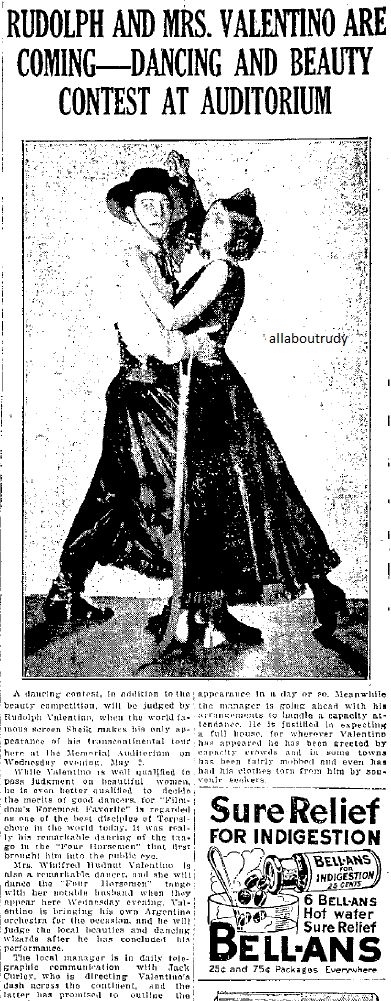
29 Apr 1923 – Valentino Coming to MA Mineralava Beauty Contest
Categories: Uncategorized
Tags: Mineralava Beauty Contest, Natacha Rambova, Rudolph Valentino
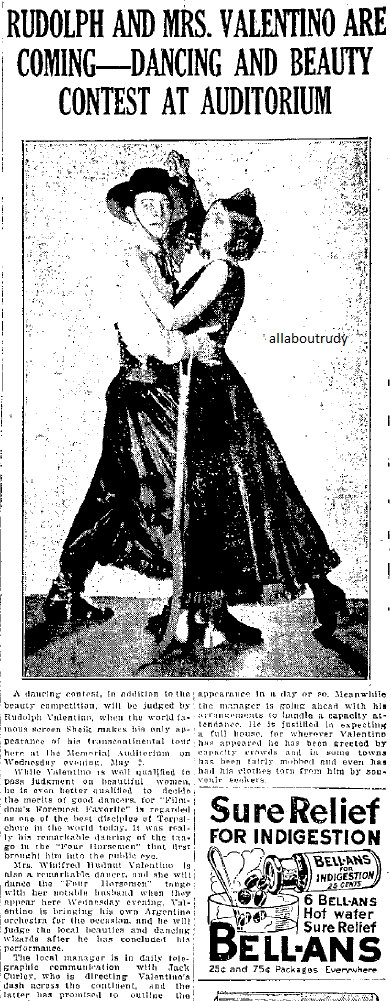
28 Apr 1923 – Mineralava Beauty Contest Announcement, Hartford, Conneticut

Categories: Uncategorized
Tags: Mineralava Beauty Contest, Natacha Rambova, Rudolph Valentino, Winifred Hudnut
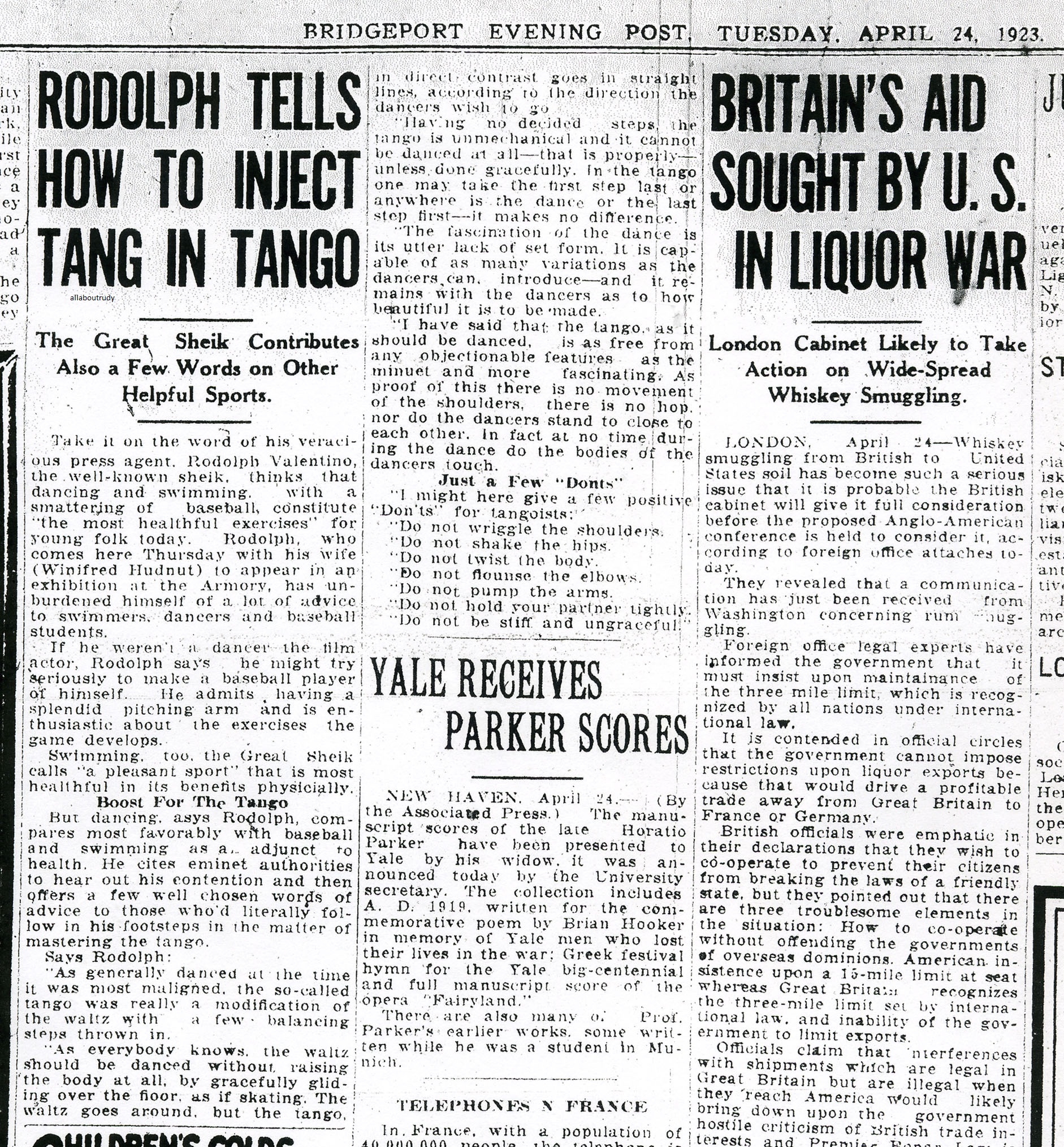
24 Apr 1923 – Mineralava Beauty Contest News, Valentino Instructs Tango Dance in Bridgeport, Ct
Categories: Uncategorized
Tags: Mineralava Beauty Contest, Natacha Rambova, Rudolph Valentino, Winifred Hudnut
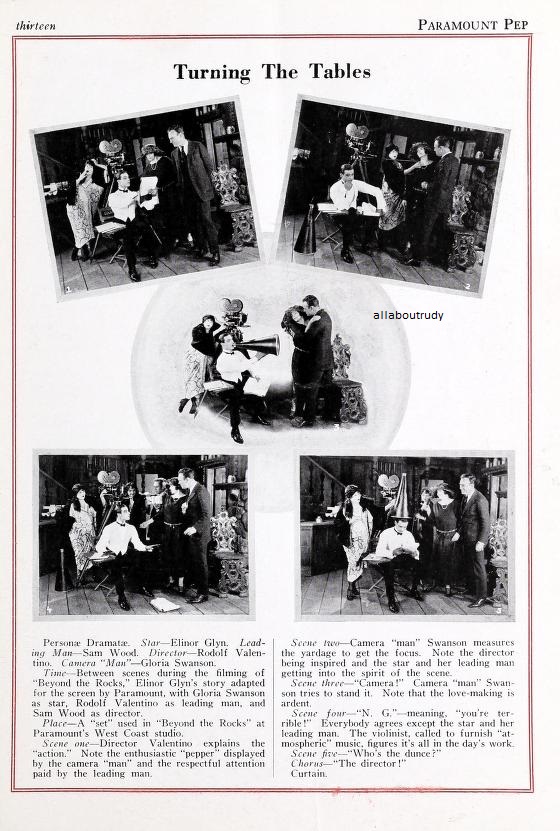
1923 – Mineralava Contest News Milwaukee, WI
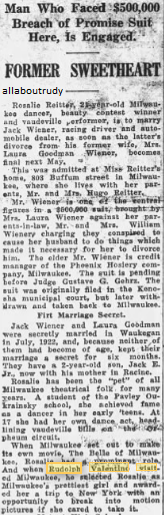
Categories: Uncategorized
Tags: Rosalie Reitter Mineralava Beauty Queen, Rudolph Valentino
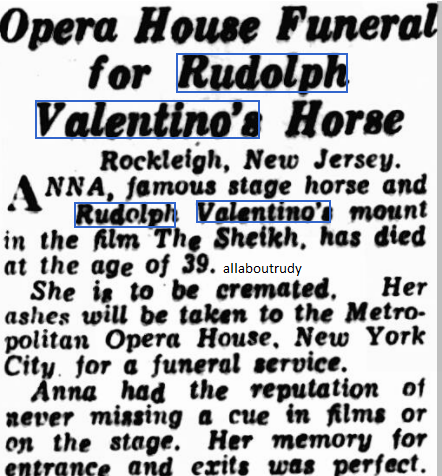
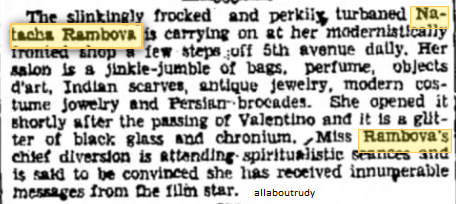
Apr 1923 – Mineralava Beauty Contest News, Akron, Ohio
Categories: Uncategorized
Tags: Mineralava Beauty Contest, Mrs. Rudolph Valentino, Rudolph Valentino
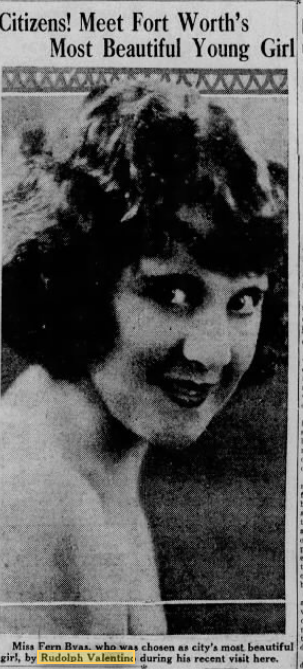
13 Apr 1923 – Mineralava Beauty Contest Winner Announced, Ft Worth, Texas
Categories: Uncategorized
Tags: Fern Byas, Mineralava Beauty Contest, Natacha Rambova, Rudolph Valentino
Apr 1923 – Mineralava News Valentino visit to Ohio
Categories: Uncategorized
Tags: Rudolph Valentino
12 Apr 1923 – Mineralava Beauty Contest News, Ft Worth, Texas
Categories: Uncategorized
Tags: Fern Byas, Mineralava Beauty Contest, Rudolph Valentino
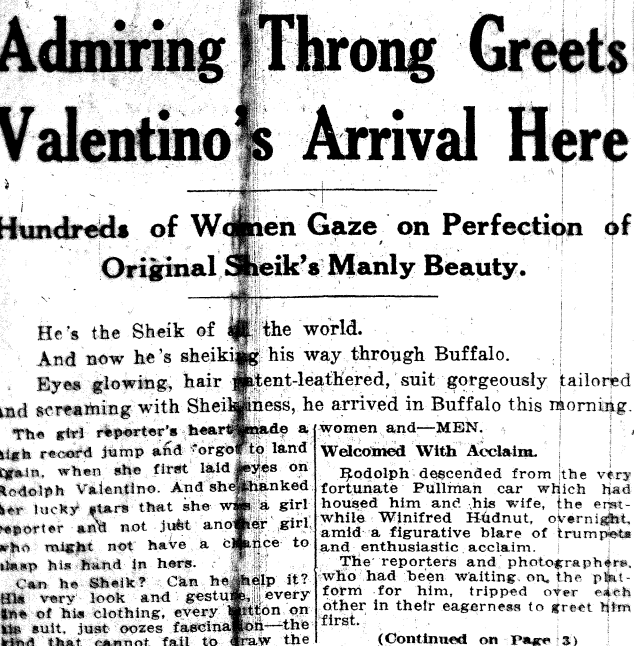
11 Apr 1923 – Mineralava Beauty Contest News, Buffalo, New York
Categories: Uncategorized
Tags: Mineralava Beauty Contest, Mrs. Rudolph Valentino, Rudolph Valentino
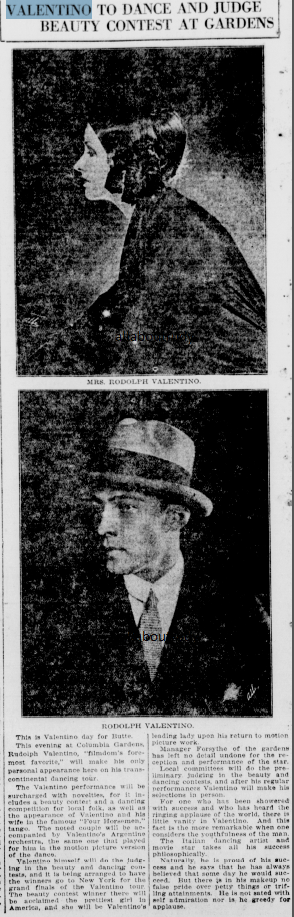
1923 – Butte MT Mineralava Beauty Contest Announcement
Categories: Uncategorized
Tags: Mineralava Beauty Contest, Natacha Rambova, Rudolph Valentino
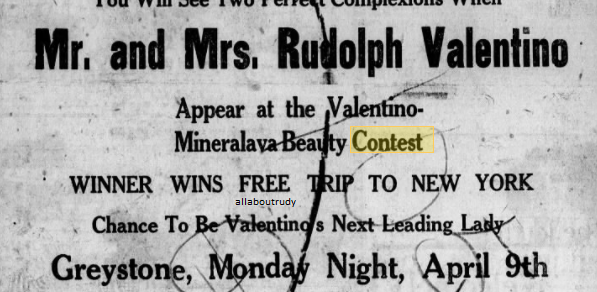
9 April 1923 – Mineralava Beauty Contest Announcement, Ohio
Categories: Uncategorized
Tags: Mineralava Beauty Contest, Natacha Rambova, Rudolph Valentino
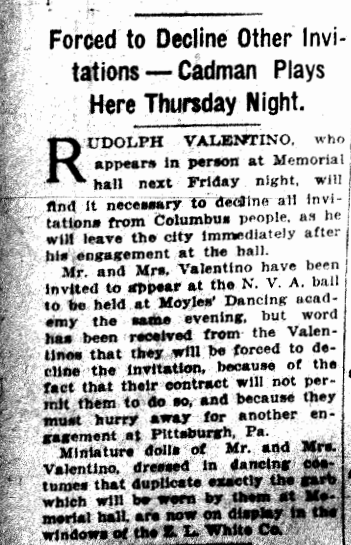
8 April 1923 – Mineralava Beauty Contest Update, Columbus, Ohio
Categories: Uncategorized
Tags: Mineralava Beauty Contest, Moyles Dance Academy Columbus, Natacha Rambova, Rudolph Valentino
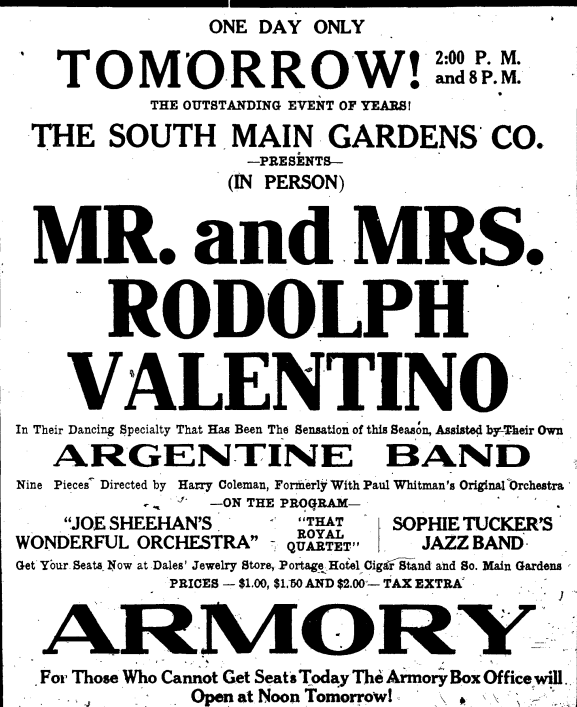
7 Apr 1923 – Mineralava Beauty Contest Announcement, Akron, Ohio
Categories: Uncategorized
Tags: Mineralava Beauty Contest, Mrs. Rudolph Valentino, Rudolph Valentino
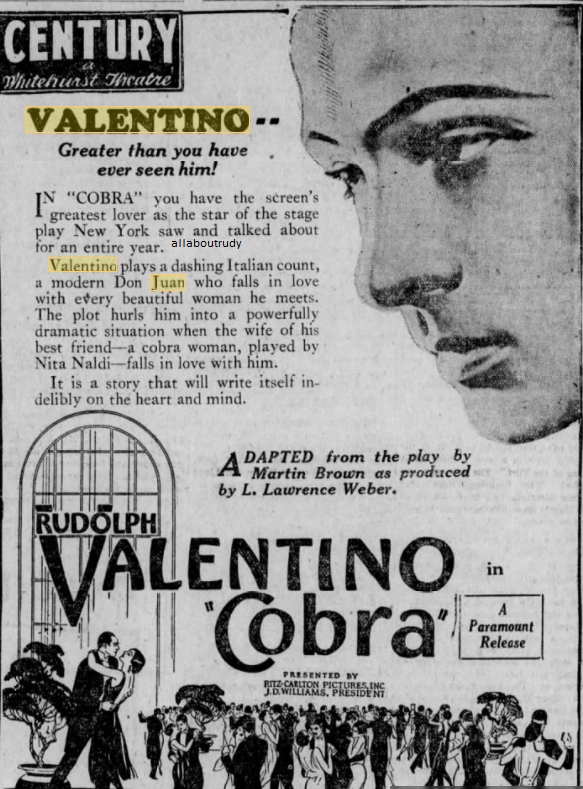
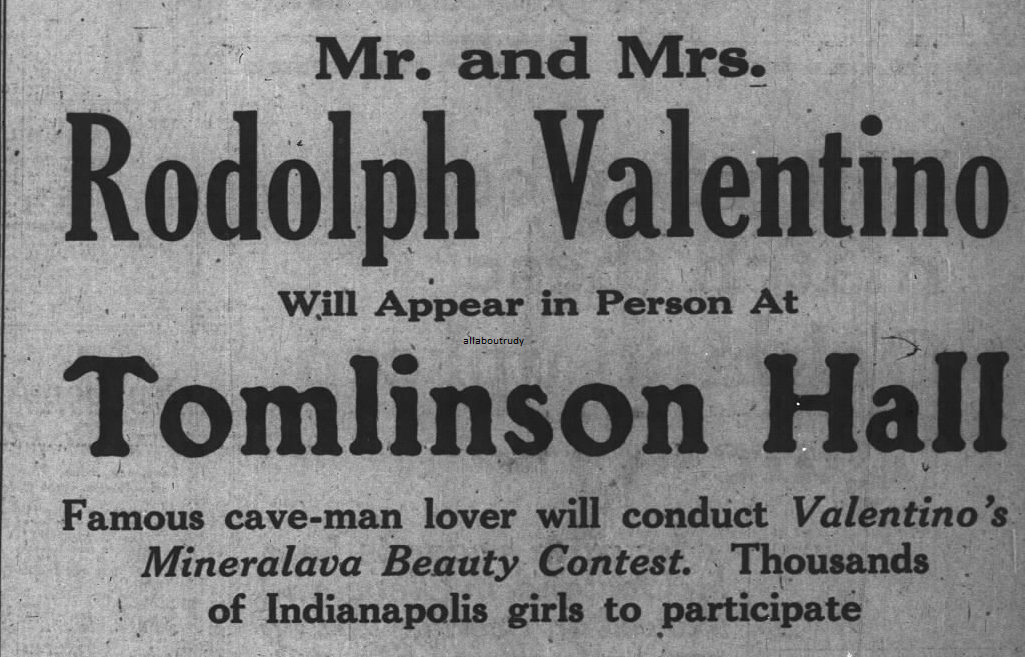
4 Apr 1923 – Mineralava Beauty Contest Announcement, Indianapolis, Indiana
Categories: Uncategorized
Tags: Natacha Rambova, Rudolph Valentino
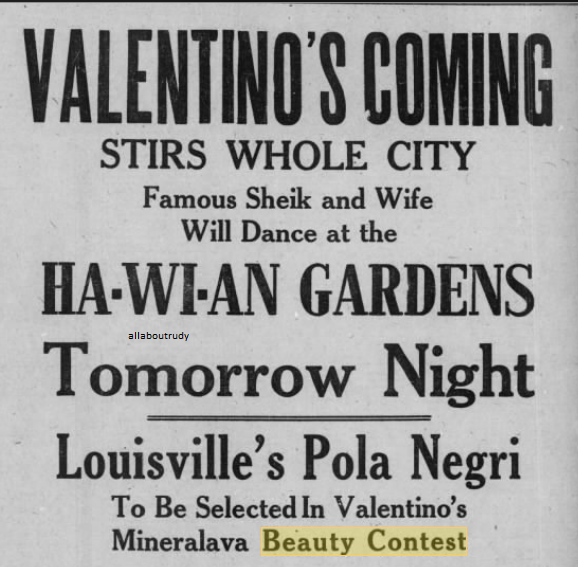
3 Apr 1923 – Mineralava Beauty Contest Announcement, Louisville, Kentucky
Categories: Uncategorized
Tags: Mineralava Beauty Contest, Natacha Rambova, Pola Negri, Rudolph Valentino
Apr 1923 – What do you think?
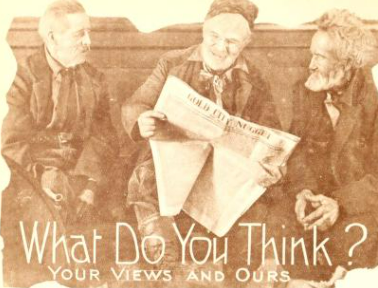
The reason why Rodolph Valentino is not, and probably will never be, very popular here is because he is so foreign looking, and in the eyes of the average person the foreigner finds little or no favour. Again, Valentino is not artists enough to hide his overwhelming conceit in his good looks. I have seen him in “The Four Horsemen”, “The Sheik”, “Blood and Sand”, “Camille” and “Conquering Power”, and think that any other actor with the ‘dash of devilry’ that others so admire and a minimum of good looks, could have created the roles equally well. Conrad Nagel and Clive Brook are my favourites, and I would rather see these two than any other so-called ‘star’ in the whole of the film firmament.
From Clyde, Birmingham
Categories: Uncategorized
Tags: Rudolph Valentino
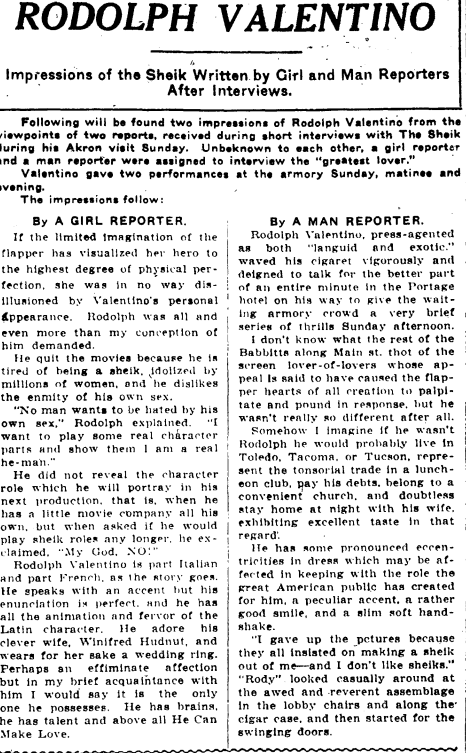
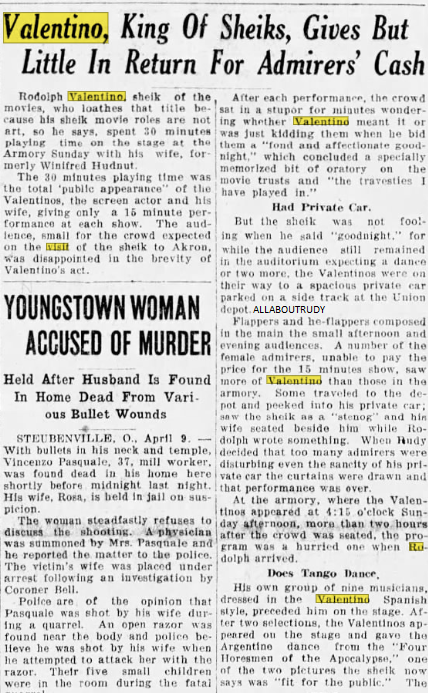
Apr 1923 – Valentino Embraced Akron
Those dark eyes burned with passion. Women melted beneath the smoldering gaze. The Sheik was the silver screen’s great lover, a hot-blooded rogue who raided desert caravans and captured tender hearts. In the flickering light of silent-movie theaters, young girls stared and swooned. Matinee idol RudolphValentino didn’t understand the fuss. “Did you ever see a smooth-shaven sheik?” he asked an Akron audience. “I will never play a sheik again until I can play the role of a real Arab. “The Hollywood heartthrob made a high-profile visit to Akron during a self-imposed exile from the movie business in 1923. Locked in a salary dispute with Paramount, Valentino and his second wife, Natacha Rambova, the most envied woman on earth, began an 88-city dancing tour. The couple earned $7,000 a week to present tango exhibitions as a promotion for the Mineralava Beauty Clay Co. With only a three-day notice, Valentino scheduled two shows on April 8, 1923, at the Akron Armory. Concerts at 2 and 8 p.m. Sunday featured Joe Sheehan’s Orchestra, the Royal Quartet, Sophie Tucker’s Jazz Band and Valentino’s nine-piece band. Dance Exhibition Tickets sold for $1, $1.50, and $2 at the Portage Hotel, Dales Jewelry and South Main Gardens. In addition, Mineralava sponsored a contest to find the most beautiful girl in Akron. The winner would have a chance to appear in Valentino’s next picture. Young women gathered at Union Depot to witness the arrival of a private railroad car carrying Valentino and Rambova, as fans lined College Avenue his car halted on a sidetrack. Inside, Valentino wore red-and-yellow pajamas and autographed photos at a desk. Rambova wore orange-and-black pajamas and sealed envelopes. It wasn’t every day that Akron got to see a sex symbol in pajamas. The couple lowered the shades, got dressed and invited local journalists, apparently all female, into the car for a chat. “Seen at a range of two feet, the idol of flapperdom is just an ordinary young man, rather good-looking and unexpectedly serious,” Akron Press reporter Ruth Rees noted. An unnamed “girl reporter” for the Akron Evening Times described the actor’s personal appearance as “the highest degree of physical perfection” and “all and even more than my conception of him demanded.” Speaking with an Italian accent, Valentino told the writers that his ambition was to make movies that men would want to see. He seemed uneasy with fame, and a little melancholy. “I want to play in good pictures,” he said. “I can’t generalize about what I want to do more than that because I want to play in a variety of roles. I want to play in pictures that men will like There are only two pictures which I have made that I am at all happy about. They are The Four Horsemen and Blood and Sand.” That comment seemed to stun the journalists. What about The Sheik, his most famous role? “My God, no,” he said. “The Sheik is his sore spot,” Rambova said. “Mentioning ‘sheik’ to him is just like waving a red flag.” “Why, I didn’t even look like a sheik in it,” Valentino fumed. “I was a drawing-room hero.” Despite the exploits of his screen character, the great lover confided to his Akron listeners that the feminine mind was a complete mystery to him. “Any man who says he understands women is either a fool or a liar,” he said. “He only thinks he knows.” The Valentino’s boarded a waiting taxi and traveled to the armory on South High Street. More than 1,500 people attended each show. Newspaper reviews were mixed and divided along gender lines. The women were more forgiving. Valentino’s band performed two songs before Valentino and Rambova, dressed in South American garb, re-created the tango from The Four Horsemen of the Apocalypse. Their dance, which lasted four minutes, “was graceful and pleasing,” the Evening Times noted Valentino presented a trophy to West High School sophomore Genevieve Street, 16, who won Mineralava’s contest as Akron’s most beautiful girl. Valentino ended his Akron show with a short talk on why he had decided to stop acting. “I wanted better pictures,” he said. “Seventy-five percent of the pictures produced by the industry by its cut-and-dry factory methods are a brazen insult to the American intelligence.” He referred to most of his films as travesties and apologized for betraying the public trust. He criticized producers for taking advantage of actors. The Valentino segment of the program lasted only 15 minutes. “After each performance, the crowd sat in a stupor for minutes wondering whether Valentino meant it or was just kidding them when he bid them a ‘fond and affectionate good night,’ ” the Beacon Journal reported. As it turned out, the girls along College Avenue got to see more of the actor than the paying customers. Valentino and Rambova returned to their railroad car and rolled out of town enroute to Rochester, N.Y. It was the last time the great lover ever set foot in Akron. Following the tour, Valentino made up with Hollywood and resumed acting. Monsieur Beaucaire (1924) and The Eagle (1925) were successful movies. “I do not owe my screen success to any company or publicity campaign, but to the American public,” he had told Akron.
Categories: Uncategorized
Tags: Mineralava Dance Tour, Natacha Rambova, Rudoph Valentino
1923 – Hollywood Hotel Guest Register
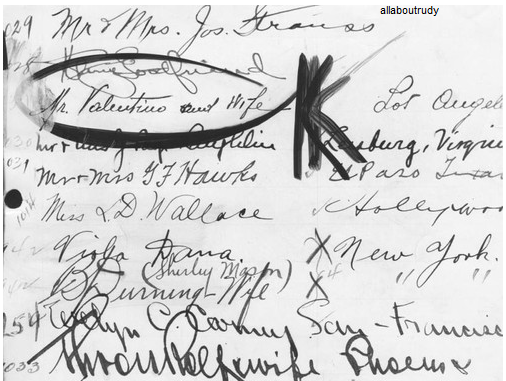
If you notice the circle on this picture it shows Rudolph Valentino signing the hotel guest register on behalf of him and his wife. According to the L.A. Public Library he had to show proof of his marriage BEFORE he signed. Note the other famous guest names Viola Dana, Joseph Strauss, and others.
Reference:
L.A. Public Library (2021).
Categories: Uncategorized
Tags: Hollywood Hotel, Rudolph Valentino
 All About Rudolph Valentino
You must be logged in to post a comment.