Posts Tagged With: Natacha Rambova

1923- Excerpt from “Adventures of a Hollywood Secretary”

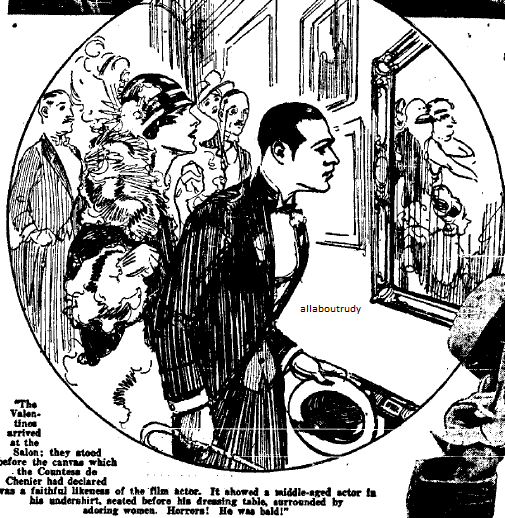
Now for a choice bit of scandal. You remember I told you that Valentino had picked Vilma Banky as his leading lady. Well, it seems they are going around together quite a bit. Last night Rudy took Vilma to the preview. Everybody was astonished at this. After the preview, the party I was with and myself walked around the piers and didn’t go home right away. Quite some time later we went home, and we rode behind Valentino’s car—and Vilma was with him. This morning, the whole studio was talking about it and the papers carried a big story regarding it too. Mr. Goldwyn asked me to get Vilma to come over to see him—I located her in Valentino’s bungalow! She came over and I kidded her a bit before she went in. I heard Goldwyn tell her that she must not do anything that will in any way ruin her reputation, etc. etc. When she came out, she gave me a wicked wink and said in her charming broken english, “Before, Marion Davies everyone else say look at me unt zay nozzing,” (with this she raised her head, lifted her shoulders, and turned her nose up indicating that they all more or less snubbed her). “Last night, Marion Davies zay ‘Hello Vilma’ so I will go wid Valentino—eh?”It didn’t take her long to catch on and with of all men who was supposed to be so attached to his wife. However, I can hardly blame him because she is very pretty, whereas Natasha is anything but good looking. Valentino is going to be in N.Y. for the opening of “The Eagle” and Mr. Schenck wired Goldwyn to have Vilma come to N.Y. and also make a personal appearance with Valentino . Mr. Goldwyn just wired us to explain to Mr. Schenck that in view of the relations between Mr. and the second Mrs. Valentino and the fact that Vilma is quite friendly with him , it wouldn’t be good policy to have Vilma in N.Y. at the same time Valentino is appearing. So, Vilma is not going to N.Y. Mr. Goldwyn can’t afford to have any scandal to arise around Vilma as that would be sure to kill her popularity. You, know of course that Fitz is going to direct Valentino in “The Son of the Sheik” and Vilma is going to play opposite him.

Reference:

Belletti, V. (1923). Adventures of a Hollywood Secretary. University of California Berkley Press. P.82, 122

Categories: Uncategorized | Tags: , ,

Categories: Uncategorized | Tags: ,

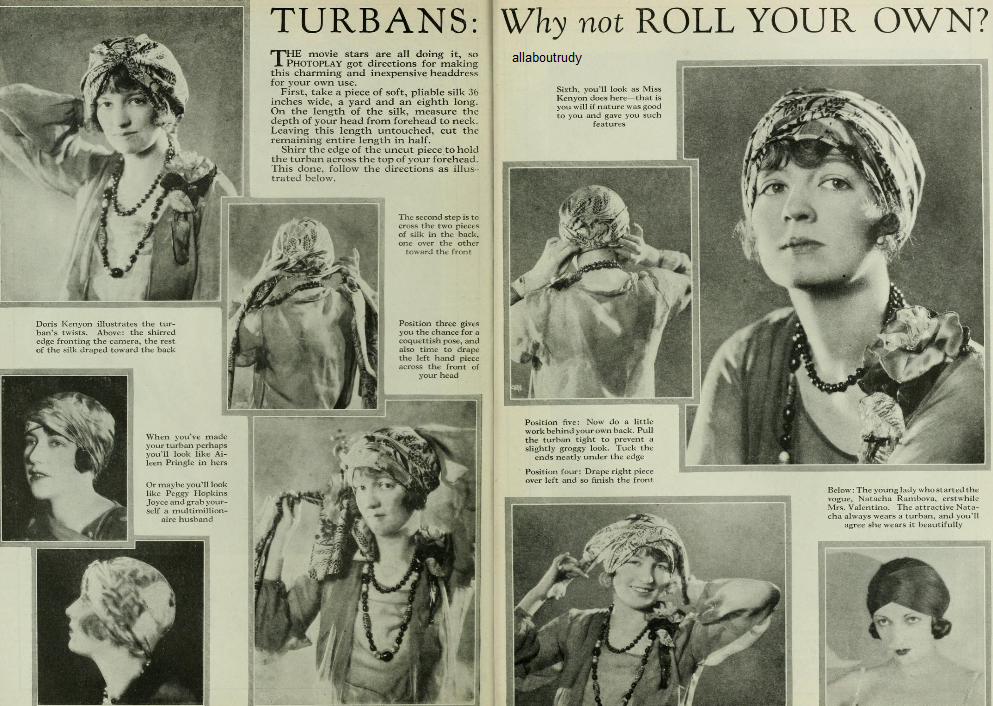
1926 – How to Tie a Turban

nr.PNG

Categories: Uncategorized | Tags:

Categories: Uncategorized | Tags:

Categories: Uncategorized | Tags: , ,

Natacha was immensely admired wherever we went. But I became rather angry about that. In one of the cafes, we stopped at for supper, there was a group of officers present and they sat there, boldly, without attempt at camouflage, looking her up and down. I was just about getting ready for a good fight. Then it came to me that I probably did the same thing before I left Italy. I had forgotten that it is almost a custom of the country, a habit. But I felt resentment, because it really wasn’t a look of curiosity, polite or otherwise, It was a sort of mental undressing. The very boldness with which they did it should have disarmed me. For all the boldness of it, because of the boldness of it, I suppose, there was also a sort of naive innocence. It was stripped of all subterfuge, all attempt at concealment. In America, decidedly, had such an event taken place, I would have risen and smashed the offenders in their several jaws”. – Rudolph Valentino

Categories: Uncategorized | Tags: ,

Categories: Uncategorized | Tags: ,

Categories: Uncategorized | Tags:

25 Mar 2021 – Former Employee of Natacha Rambova Died

It is with sadness that we announce the death of Helen Elizabeth Ducey, on March 25, 2021, at age 96. Born and raised in New Milford, CT, the daughter of Francis and Mary Reynolds, Helen was a lifelong resident of New Milford. Helen was predeceased by her husband of 68 years, Edward M. Ducey. She is survived by her three children and family members: her daughter, Susan Boldi and son-in-law, Fred; her sons, Richard Ducey and Kevin Ducey; grandchildren, Erin Boldi, and Christopher Boldi and his wife, Amanda, and their son, Mario, who is Helen’s only great-grandchild. She is also survived by one sister, Jane Lathrop of New Milford. She was predeceased by her sisters Marion Taylor and Lorraine Keilty. She is also survived by her brother-in-law, John Ducey and his wife Nancy. She leaves many nieces and nephews. A special thank you goes to Cindy Day who gave friendship and care to Helen for such a long time. Helen developed a love of dogs as a young girl, and that love continued as an adult with her beloved poodles and Yorkies. Helen developed a fashion sense starting when she was a schoolgirl helping to make her own stylish outfits. Her fashion style matured along with the times and she often modeled outfits at the boutiques and department stores at the urging and to the delight of the salespeople. She had a green thumb and, along with her late husband, Edward, filled the outdoors with beautiful trees, shrubs, and flowers; yellow roses were her favorite flower. She and Edward also loved to decorate both inside and outside every Christmas, and their house overflowed with holiday decorations.

One of the many happy times in Helen’s life was when she served as chauffeur/companion to Natacha Rambova, a dancer, playwright, and actress who was once the wife of silent screen star Rudolph Valentino. Miss Rambova, who lived in New Milford for several years prior to her death, didn’t drive, so she relied on Helen for transportation and companionship on weekly trips to New York City, as well as on brief outings around New Milford.  When Natacha Rambova passed Helen took care of her beloved Yorkies.

Categories: Uncategorized | Tags: , ,

2222.PNG

1111.PNG

Categories: Uncategorized | Tags: ,

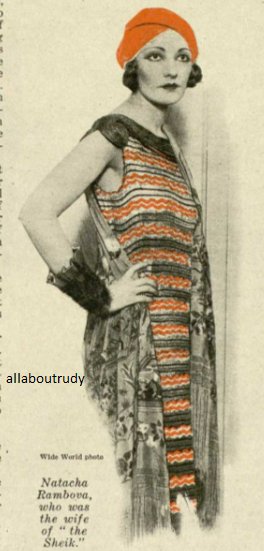
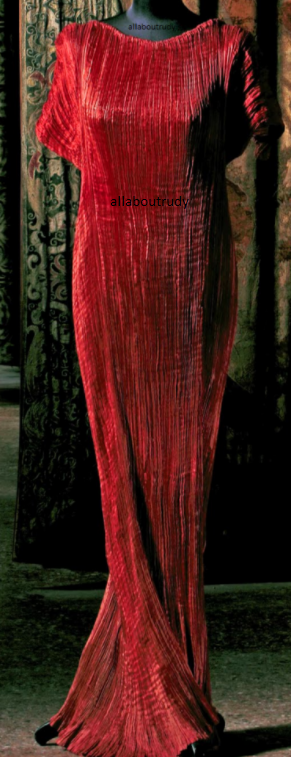
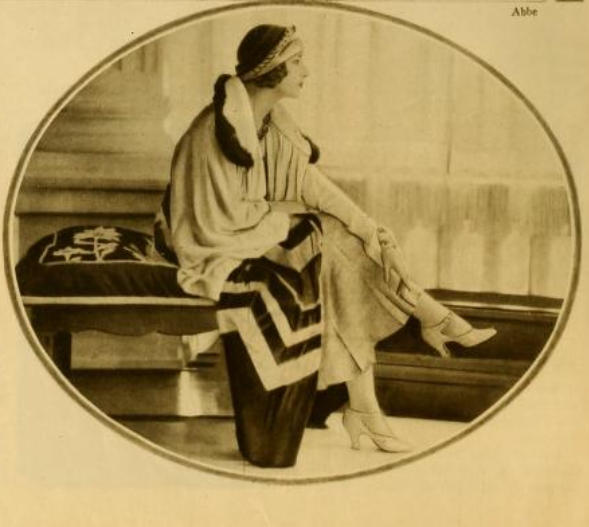
21 Aug 1926 – Natacha and Fashion

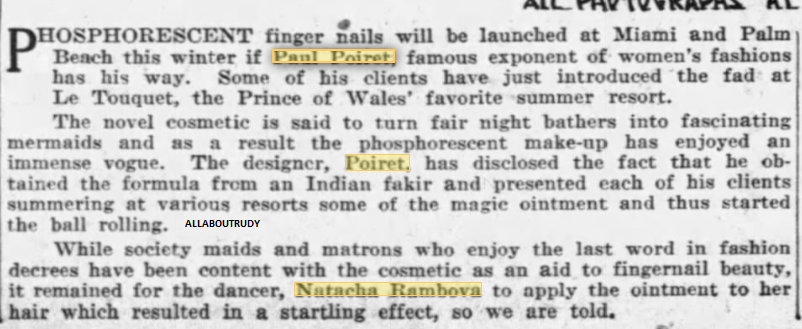
poiret 22 aug 1926.PNG

Categories: Uncategorized | Tags: ,

natacha movie card.PNG

Categories: Uncategorized | Tags:

nr.PNG

Categories: Uncategorized | Tags:

11 May 1922 – Special Studio Announcement

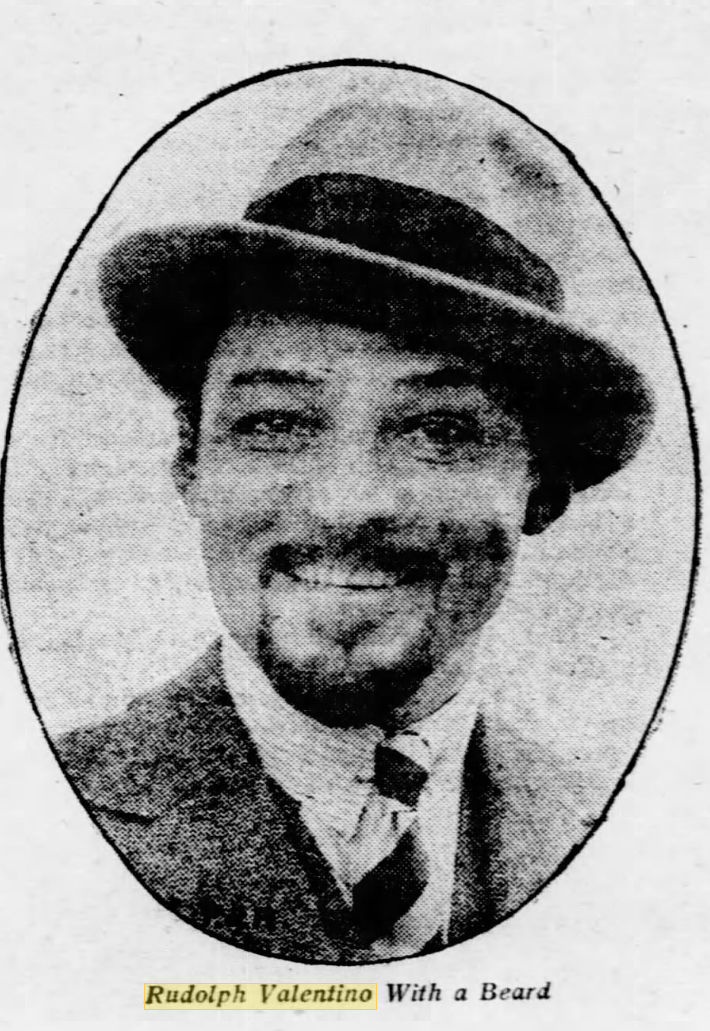
The movie studios decided the fans should be told that Rudolph Valentino was soon to marry Natacha Rambova.  To the public at large Miss Rambova was revealed as Winifred Hudnut stepdaughter of Richard Hudnut millionaire cosmetics manufacturer.  The dashing Valentino and the beautiful aloof and suddenly rich Rambova seemed like a prince and princess in a fairy story.  Every effort was made to sharpen this impression.  Valentino was suddenly endowed with a degree, Doctor of Agriculture. His deceased father was even elevated from village veterinary to head of an excellent old Italian family.  Reporters flocked to Paramount Studios and the mystery of Natacha Rambova had always intrigued them and the revelations that she was the authentic and beloved stepdaughter of a multimillionaire was real news. Not even Valentino had known who she really was; he had first learned of Natacha exalted background from the newspapers. Nevertheless, he was overjoyed and believed himself the most blessed of men. He was going to marry a beautiful and brilliant woman whom he admired and adored and since he was now earning more that $50,000 a year, he didn’t need her money.  However, it should be noted that Valentino should be careful on his spending habits since it’s a well-known fact he wants a family.

Categories: Uncategorized | Tags: ,

natacha book reivew.PNG

Categories: Uncategorized | Tags:

1923

nrrv.PNG

Categories: Uncategorized | Tags: , ,

26 Feb 1918 – Vaudeville Stars

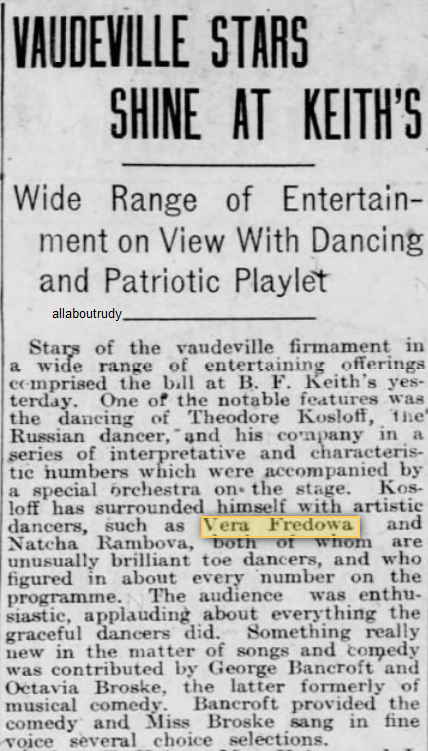
26feb1918.PNG

Categories: Uncategorized | Tags: , ,

18 Dec 1929 – Natacha Leases

18 dec 1929.PNG

Categories: Uncategorized | Tags:

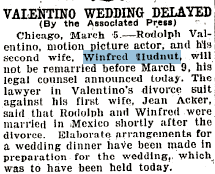
Jan 1926 – Divorced Finalized

jan 26.PNG

Categories: Uncategorized | Tags: ,

27 Nov 1925 – Natacha Rambova Seeks Divorce

Winifred Valentino through her mother, yesterday confirmed the reports that she had instituted a suit for divorce in Paris from Rudolph Valentino on the grounds that he refuses to live with her.
Categories: Uncategorized | Tags: ,

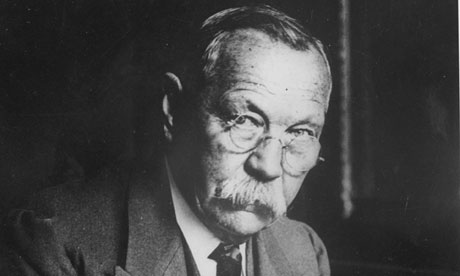
31 Oct 1923 – Sir Arthur Conan Doyle, Mr. & Mrs. Valentino, and Spiritualism

conan-doyle.jpg

The 1920’s was a time period of social and economic change. People were tired of living a legacy of war and sorrow. They wanted to live life on their terms and not what society deemed as acceptable or tolerated. There was a hint of the curious in people. Eager to explore beyond their own backyards by going out into the world and try new things. But while these were deemed forbidden or taboo it didn’t stop the rich and famous. No, they led and mere mortals followed. For instance magic shows were something a sober upstanding and law abiding citizen would not normally attend. However, they became a public phenomenon and no one was more public and a forbidden marvel than Harry Houdini and his magic performances that made viewers believe. Also, people enjoyed participating in popular parlour board games such as seances or Ouija boards giving them a chance to communicate with the dearly departed. This too became a phenomenon making skeptics into believers. Lastly, Spiritualism became all the rage among many famous people or newly turned believers of the day.  Famous author and noted believer Sir Arthur Conan Doyle was a strong advocate and was often found to lecture on his theories and beliefs. So strong was his beliefs that he felt Houdini had supernatural skills and even when the magic trick was explain he refused to believe otherwise.  The author felt there was a commonality between spiritualism and motion picture industry. But let us not forget Doyle’s interest goes back further than Rudolph and Natacha.  During and after WWI Doyle was a member of the Society for Physical Research and became friends with all sorts of people with a shared intriguing interest.  Rambova’s interest started at a young age and believed strongly in reincarnation and automatic writing.  She surrounded herself with people that had a shared belief and was firm follower of Madame Helen Blavatsky. When she became involved with Rudolph Valentino, she shared her personal beliefs. During the course of their relationship he became an enthusiast and newspapers have documented the couple’s belief extensively.  June Mathis the woman who discovered him and other mother were also believers.  However, when Valentino’s marriage to Rambova ended so did his interest with spiritualism.  On his death bed he reconciled with the Roman Catholic faith. Rambova eventually reinvented herself as a world known Egyptologist and carried her belief to the grave.

natacha.PNGrvphoto.PNG

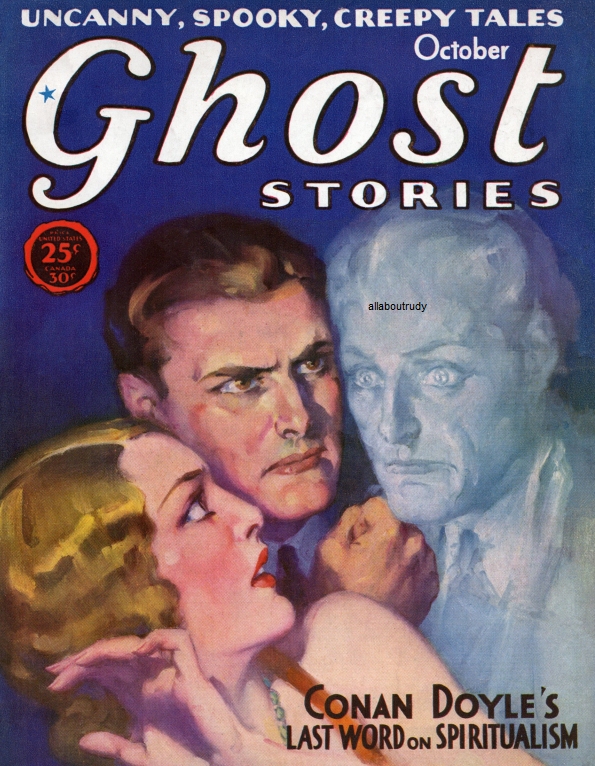
Sir Arthur Conan Doyle gave his final interview to Horace Leaf, published in October 1930 issue of Ghost Story.

Capture.PNG

This interview seemed a culmination of Doyle’s fanaticism with spiritualism. The writer starts out writing Conan Doyle’s last words to me were “Spiritualism is the most important fact in life, and we must make this world accept it in the interests of both worlds”.  Towards the end of interview, he talked about how Doyle would talk to crowds about spiritualism and the mileage he traveled.  Sir Arthur Conan Doyle did make a promise and his final words were published in the New York Times that I have included in this blog post.

eeeee.PNG

There has been no evidence that suggests the Valentino’s ever personally met Sir Arthur Conan Doyle. But at one time, all had a shared interest, in spiritualism and the great beyond. How fascinating it would be to read about them having a conversation where they share opinions on mutual interests. The spiritualism movement continued into the early 1930’s and interest declined thereafter.

Happy 🎃 🎃 Halloween

Categories: Uncategorized | Tags: , , , ,

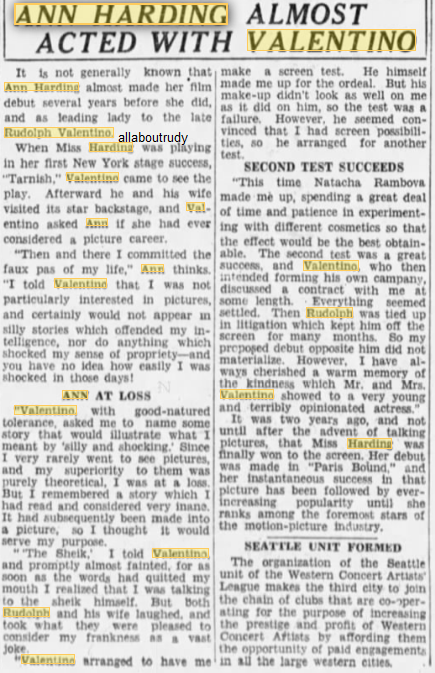
22 Aug 1932 – Ann Harding

23 aug 312.PNG

Categories: Uncategorized | Tags: , ,

19 Aug 1917 – Gossip

The clever little psuedo-russian dancer, Natacha Rambova is of course, a guarantee of her interest will dance at the benefit, so, taking it all in all, the affair is expected to be a great success and bring in a large sum that will go towards the wonderful work being done by the Society for French Wounded.

Categories: Uncategorized | Tags:

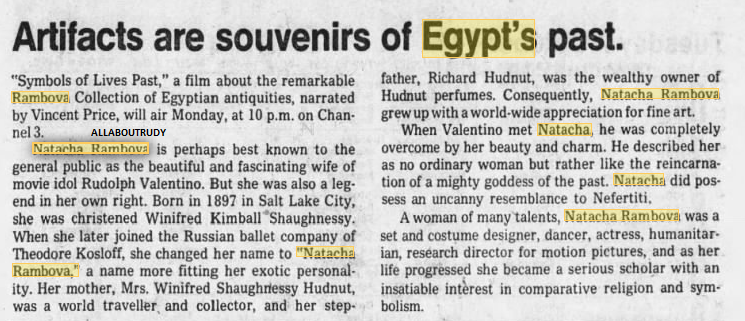
16 Aug 1979 – Natacha Rambova Collection

The Natacha Rambova Collection of Egyptian Antiquities was presented to the museum in 1952 by Natacha Rambova, former wife of Silent Film Star Rudolph Valentino and daughter of Mrs. Richard Hudnut.  The new installation and exhibition of this new collection will mark the production of a 30 minute television film by KUED Local channel 7 and the museum
Categories: Uncategorized | Tags:

rvm.PNG

Categories: Uncategorized | Tags: ,

1925

1912.PNG

Categories: Uncategorized | Tags:

29 Jun 1917 – Theo’s in Town

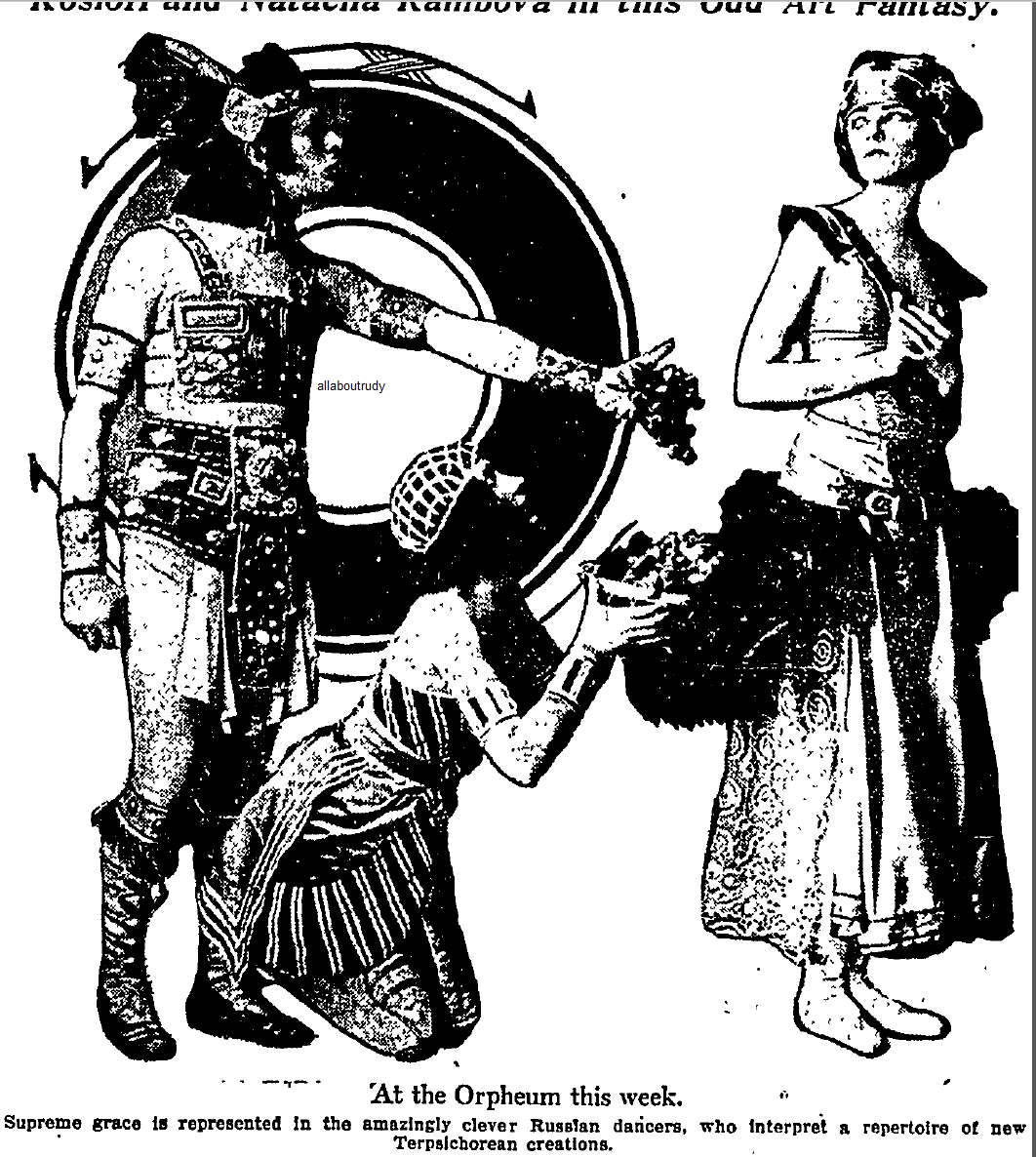
Theodore Kosloff. a graduate dancer from Petrograd and Moscow imperial ballet schools, formerly a member of Serge de Daighlleff’s famous Ballet Russq and latterly at the head of a miniature Ballet Kusse which came to Los Angelos last winter on the Orpheum circuit, has become so enamored of California and the movies that he has joined the local colony of artists. He is working in conjunction with Cecil de Mille at the Lasky studios at Holly Wood. With Vera Fredowa and lover Natacha Rambova,

Categories: Uncategorized | Tags: , ,

1926

aug 1926.PNG

Categories: Uncategorized | Tags:

egypt.PNG

“The first few days I was there I couldn’t stop the tears streaming from my eyes. It was not sadness, but some emotional impact from the past–a returning to a place once loved after too long a time.” — Natacha Rambova

Categories: Uncategorized | Tags:

1937

Capture.PNG

Categories: Uncategorized | Tags: , ,

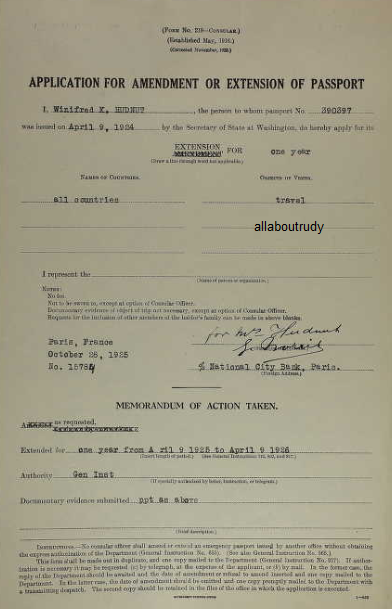
Apr 1925 – Passport Application

passaport1924.PNG

Natacha Rambova was in Monaco to visit the American Embassy to file for an extension of her passport. It was during this time she was establishing residency in order to file for divorce from Rudolph Valentino

Categories: Uncategorized | Tags: ,

18 Jun 1966 -Natacha Rambova Tribute

18jun1966.PNG

Categories: Uncategorized | Tags:

1919

Kostloff n Natacha.PNG

Categories: Uncategorized | Tags: ,

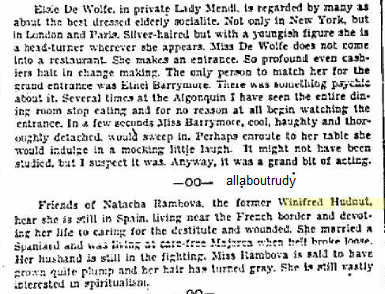
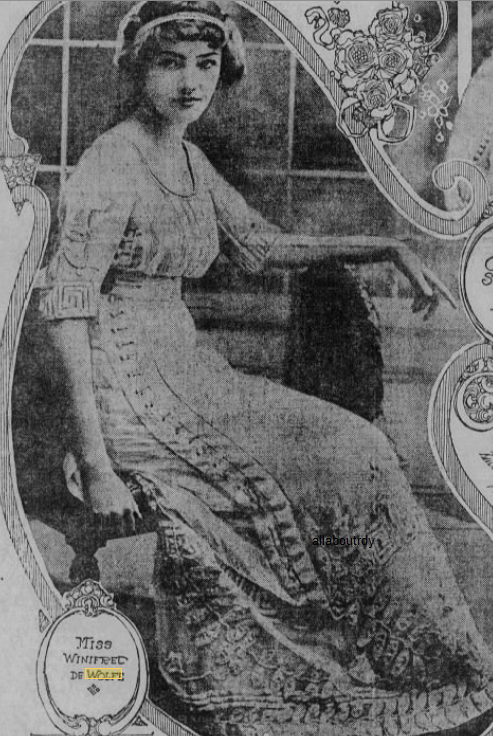
1913 – Winifred de Wolfe/Natacha Rambova

1913.PNG

Categories: Uncategorized | Tags: ,

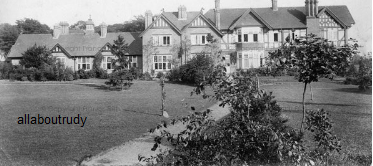
1865 Leatherhead Court, Surrey

Capture.PNG

Leatherhead Court, Surrey was a British boarding school for upper class children. For 9 years, this was considered home, and the foundation of the woman Natacha would become.

1904.PNG

Described in a 1865 traveler’s handbook, Leatherhead must at one time of been a place of considerably more importance that at present, since the Sheriff’s County Court was anciently held here, and was only removed to Guilford at he end of Henry III’s reign.  Now a large village of 4 streets, from the back of one of which extensive gardens slope downwards to the Mole, here no longer “sullen” and stealing onward toward the rich meadows of Stoke and Cobham.   The river where Leatherhead Court students would often be found at art or nature appreciation lessons. This river is crossed by a bridge of 14 arches; close to which is “The Running Horse” a small inn, said to be the hostel in which Elynour Rummyng as celebrated by Skelton, Henry VIII’s poet laureate, in verses more curious than edifying.  The local church were many of the students, teachers and staff would partake of Sunday services stands upon high ground of the Mickelham Road, was granted to the priory of Leeds in Kent about the middle of the 14th century, from which time it principally dates.  The piers of the nave may, however, be earlier.  The stain glass window of the E. Window was collected at Rouen by the Rev.James Dallaway, victor of Leatherhead for many years; during which he published his History of West Sussex undertaken at the expense of the Duke of Norfolk.  There are no monuments of interest in the church. The inscription on that of Robert Gardiner (d.1571(, in the S. aisle was written by Thomas Churchyard “court poet” to Queen Elizabeth I.  Leatherhead is in the midst of much picturesque and varied scenery.
Categories: Uncategorized | Tags:

1910 -1911- Leatherhead Court

For 9 years, Winifred  Shaughnessy attended Leatherhead Court, a select girls school and below is information about the school that was her home during her formative years.

Capture.PNG

—————————————————————————————————————————————-

LEATHERHEAD COURT, LEATHERHEAD SURREY.

 A RESIDENTIAL SCHOOL FOR GIRLS.

 PRINICIPAL  – MISS TULLIS.

The school is situated one –and-three-quarter miles from Leatherhead Station, one-and-a-half from that of Cobham, and nearly twenty from London.  The Front of the House faces a little west of south, is 110 feet in length, and contains the chief reception-rooms and several of the school bedrooms.  The Central Hall stands behind the chief reception rooms, is 66 feet by 27, and is open to the roof.  It is used as a school reading room, for musical evenings, etc. It is heated by radiators and an open fire, and lighted, like the entire house, by electricity. Eleven of the school bedrooms open from the gallery. A weekly pianoforte recital is given in the Central Hall and occasional School Concerts, and the furnishings include a Lipp concert grand pianoforte of the highest grade.  Also a Welte-Steinway pianoforte. The West extends back 162 feet and contains two Girls’ Sitting Rooms, Workshop, and four classrooms, all with School bedrooms over.  One of the Sitting Rooms is used as a School Library and contains over 1,000 books for reading and reference. Besides over 1,000 ordinary reading and reference books the Library and the Central Hall contain a large number standard works on architecture, sculpture, painting and music etc.  Some hundreds of photographs and lantern slides are used to illustrate the same subjects. The eastern side extends 187 feet, and contains, in addition to ordinary house ccommodation, the schoolroom, 50 feet by 20, and the studio, specially built and facing north, 25 feet by 20.  The corner room with the bay window is the dinning room.

The hours of the meals on ordinary days are:

Breakfast                       7.50

Milk                             11.00

Lunch                          12.15

Tea                                3.15

Dinner                           7.00

French is always spoken at two of the tables, and German at a third.

On the half-holidays the hours are:

Breakfast                       7.50

Milk and Bun              11.00

Dinner                          1.00

Tea                                4.30

Supper                           7.30

In warm summer weather the hour for tea on ordinary days is altered to suit the changed school-hours, and, whenever possible, the meal is taken to the garden. The Schoolroom, 50 feet by 20, is used for drill and dancing lessons, class singing, lectures and assemblies. Also for weekly and occasional dances, lantern lectures, and entertainments.  The end of the room has a fixed platform, which can be enlarged when necessary, fitted with head and foot lights, and a sheet for a very fine electric lantern is ready for use. The Studio is 25 feet by 20, and was specially planned for its purpose.  It is lighted by a large window facing north. There four Classrooms, all well lighted, warmed, ventilated, and furnished with single desks, etc. The Workshop contains the benches, etc., needed for carving, metal work, and other handwork. The Bedrooms are divided by curtains, so that each girl has a private cubicle containing bed, washstand, etc.  A few single bedrooms are also available. The Bungalow (a Sanatorium) faces south and has a lofty and pleasant invalid’s room with bathroom adjoining, a convalescent’s room and a veranda, as well as accommodation for a nurse and a maid. The chief courtyard is a quadrangle, and is used for drill and as an outdoor gymnasium when the weather is suitable.  One of the rooms overlooking the courtyard is fitted as a school kitchen for cooking lessons. Lacrosse is played during the winter and spring terms, and tennis in the summer. During the summer term the lacrosse field is divided into seven full-sized tennis courts. Each girl who desires it can have a small garden.

Categories: Uncategorized | Tags: , ,

1965-1966 3805 Mayfair Drive, Pasadena, CA

pasadena.PNG

This is the last house Natacha Rambova called home. In her later years, Natacha Rambova, was living in New Milford, CT with two Yorkies and her faithful associate Helen Ducey.  When Natacha’s health started to fail, she agreed to move in with her cousin Ann Wollen and her mother Katherine Peterson.  Both were her nearest living relatives and they took care of her and made legal decisions until the end. The address was 3805 Mayfair Drive, Pasadena, California.  Built in 1950, this home was a modest single-family home, 1822 square feet with 4 bedrooms and 2 bathrooms.  This home last sold for $313,000 in April 1995.

Categories: Uncategorized | Tags:

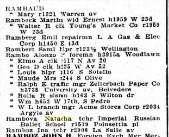
1920-1953 Natacha Rambova in Phone Directory

1920.PNG

1920 Natacha Rambova L.A. Phone Directory

1921.PNG

1921 Natacha Rambova L.A. Phone Directory

1944 manhatten.PNG

1944 Natacha Rambova Manhattan City Directory

1945 manhattan.PNG

1945 Natacha Rambova Manhattan City Directory

1953.PNG

1953 Natacha Rambova Manhattan City Directory


Categories: Uncategorized | Tags:

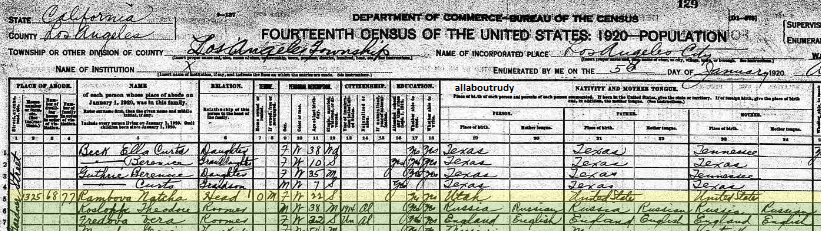
1920 – 14th Census of the U.S.

1920 census.PNG

In 1920, the 14th Census of the U.S. was conducted and it shows Natacha was living with Theodore Kostloff and Vera Fredova.

Categories: Uncategorized | Tags: , ,

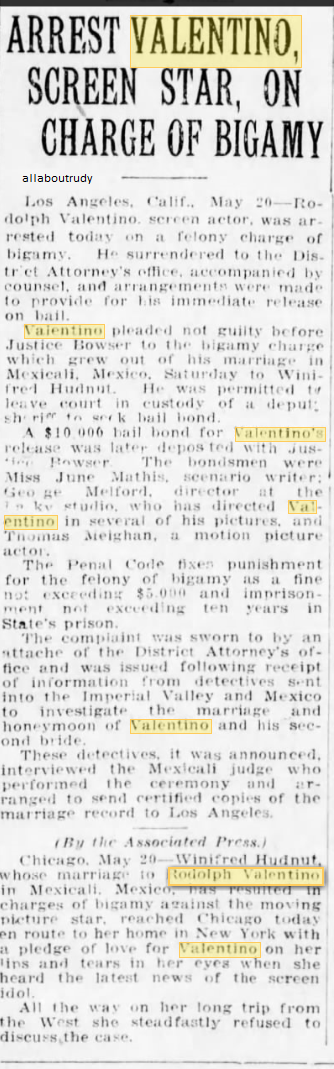
31 May 1922

31 may 1922.PNG

Categories: Uncategorized | Tags: ,

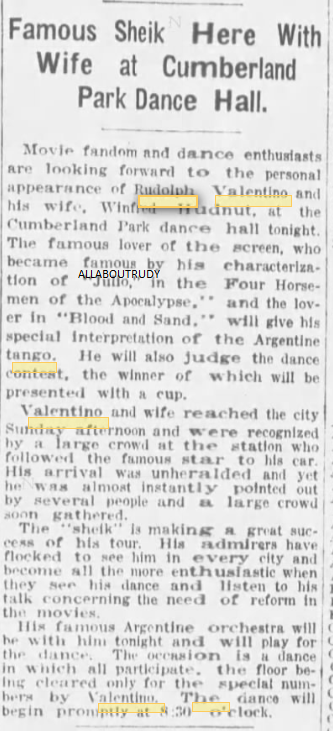
30 May 1923 – Screen Heartthrob Rudolph Valentino makes personal appearance in Seattle Mineralava Tour

On May 30, 1923, film star Rudolph Valentino (1895-1926), in the midst of a personal appearance tour that took him to all parts of the country, arrives for his only known visit to Seattle. The actor gives a dance exhibition, thrilling local audiences with a glimpse of his famous Argentine tango, and lends his movie star persona to Children’s Orthopedic Hospital on behalf of their annual fundraising effort. Trouble in Paradise During his 1923 Seattle visit, Rudolph Valentino was in the midst of a dispute with his studio, Lasky-Paramount. Battles over power and control were being waged behind-the-scenes, but publicly the actor claimed to be protesting the cheap program films to which he had been assigned, as well as the practice of block booking. In an era when popular movie stars routinely appeared in three or four new film releases a year, Valentino resisted the studio’s demand that he work. (Block booking was an early distribution practice whereby a studio would tie the releases of major stars to less ambitious efforts. Exhibitors wishing to screen “marquee” pictures had to sign exclusive agreements that forced them to also show the studio’s third-rate potboilers. Exhibitors strongly protested this arrangement.) For failure to work, Lasky-Paramount eventually suspended Rudolph Valentino, and went as far as to obtain a court injunction preventing the actor from appearing onscreen until after his Paramount contract expired on February 7, 1924. The studio felt they had called Valentino’s bluff, since he and second wife, Natacha Rambova (formerly Winifred Kimball Shaughnessy) were heavily in debt. But the pair countered by mounting a personal appearance tour organized by George Ullman (later Valentino’s business manager), and sponsored by Minerlava, a beauty clay company. For 17 weeks, the couple gave dance exhibitions across the United States for a reported $7,000 per week, keeping Rudolph Valentino in the public eye and, based on their commercial pitches for Minerlava, providing the company with valuable exposure. The tour began in the spring of 1923 in Wichita, Kansas, where public schools closed on the day of his appearance. “The Sheik” Comes to Seattle Despite the excitement that Rudolph Valentino brought to almost every stop on his itinerary, the star’s arrival in Seattle was relatively low-key. The Valentinos were expected at 9:40 in the evening on May 30, 1923, traveling from Spokane in the star’s private rail car. From the train station, they were to be whisked to the Hippodrome at 5th Avenue and University Street, where Valentino was slated to help judge a combination dance contest/beauty pageant at 10:00 p.m. According to publicity for the event, the pageant served as a national search to help find the star’s next leading lady (a role which eventually went to veteran Paramount actress Bebe Daniels). Unfortunately, their train arrived much later than expected, and the Valentinos entered the Hippodrome well after the dancing competition. The actor then sat with other judges behind a curtain for the remainder of the beauty pageant, which concealed him from the audience, most of whom had come solely for the opportunity to see the motion picture star in person. When all was said and done, Rudolph Valentino personally selected Katherine Cuddy, a local stenographer, as the beauty contest winner, turning down the half-hearted challenge of Seattle Mayor and fellow judge Edwin J. Brown (1864-1941) on behalf of another contestant. It is hoped that Brown’s candidate did not know that the Mayor was championing her cause, for the next day it was widely reported that Valentino rejected her for having bad teeth. (Ironically, Brown — who was a prominent Seattle dentist as well as a doctor, lawyer, and politician — did not notice this defect.) The Valentinos followed the beauty judging with an electrifying demonstration of their famous Argentine tango, recreating the dance scene from The Four Horsemen of the Apocalypse. Both were dressed for the part; as one account put it: “It is in Rodolph’s [sic] blood to wear black velvet pantaloons and stamp his black patent leather boots and click castanets. His manner was quite Argentine; his hair quite brilliantine” (Dean). Natasha Rambova was also clad in black velvet, offset with a red Carmen-like shawl. “[She] is very brave to put on a ten-dollar pair of black silk stockings so close to her partner’s three-inch silver spurs,” noted Times reporter Dora Dean. The Private Valentino Dean managed to sneak backstage after the exhibition and take a spot in Rudolph Valentino’s dressing room, where she found the actor quite blunt about all the attention his appearances had been garnering. The moment he arrived at the Hippodrome, for instance, a large crowd of girls — “starving for romance,” the actor noted with some disdain — surged toward the stage. Adoration of this sort wore on Valentino, for it overshadowed his attempts to be taken seriously as a performer. “`From persons who saw the Four Horsemen I have received intelligent letters of appreciation,’ [Valentino] said. `I like them better
than the adoring notes from little girls who want me for their sheik.’ “`But what are you going to do, when all those darling girls want to see you ride [in] the desert and gnash your teeth?’ he was asked. “`Ah, they should stay at home with their husbands,’ said the slick-haired actor” (Dean). Wanda Von Kettler, writing for the Star, also managed to get herself into Rudolph Valentino’s dressing room at the Hippodrome. It must have been a crowded place: Mayor Brown and Washington’s Lieutenant Governor William Jennings “Wee” Coyle (1888-1977) also fought for space amongst a crowd of reporters and fans. According to Kettler: “Beside Rodolph [sic] sat Mrs. Valentino, his tall and slender brown-eyed wife, in her Argentine dancing costume … “He surveyed his guests. Then told them that he wasn’t a `sheik.’ “`Of course,’ he declared, with a somewhat resigned laugh, `I’ve gotten considerable publicity because of the name. But I don’t know if it’s been the right kind of publicity. The very sentimental girls think I’m all right. They like me. But what about the intelligent women — and the men? Don’t they think I’m a mollycoddle? They do. When I go back in pictures, after the fight with the movie concern is over, I’m going to prove that I’m not the type they think I am …’ “Valentino plans to write a book. He confided so to some of us Wednesday night. “`It’s going to be a book on the tango,’ he declared. `I’m going to teach all America to dance that dance. Everybody seems to like it, so why not help them learn it.’ “‘Dancing,’ he added, `is the greatest stimulant of the day, and is more and more being recognized as such. Since the event of prohibition it has increased 50 per cent.’ “Valentino doesn’t mind’ the letters he receives from admiring ladies. “`I’m very glad to know,’ he explained Wednesday night, `that I’m being appreciated. I like to hear the opinion of the public, whether it’s for or against me. But I know the ladies aren’t `in love’ with me. They’re in love with an `ideal’ and they sometimes write to me as a result.’ “As for Mrs. Valentino – being a sheik’s wife doesn’t bother her at all. When asked about her stand on the matter, she laughed and replied, `I want him to be popular. The more popular he is, the better I like it’” (Kettler). The Pound Party Following the Hippodrome appearance, the Valentinos traveled northward for scheduled engagements in Vancouver, British Columbia. They returned to Seattle on June 1, 1923, for a visit to Children’s Orthopedic Hospital, where they were guests of honor at the institution’s Pound Party. An annual charity event, the benefit took its name directly from its open request: In lieu of donations, the Hospital accepted a pound of anything — food, clothing, etc. — which could be used to help those in need. The Valentinos were the hit of the function, which a spokesman later declared the most successful in the history of Children’s Orthopedic. In total, the event netted a record amount of food and clothing and almost $400 in donations, $10 of which came from the actor himself. Credit for the success was given solely to Rudolph Valentino’s appearance, which garnered much more public interest than past charity drives. It also attracted hundreds of fans to the front lawn of the Hospital, mostly young women hoping to catch a glimpse of the actor as he came and went from the gathering. Thankfully, the throng outside conducted itself in an orderly fashion and the party went off without a hitch. After partaking in an afternoon tea and reception, the Valentinos went from bed to bed throughout the Hospital, visiting nearly every child and showing a sincere concern for their well being. “A few of the sheik’s queries concerning child culture demonstrated a decided lack of knowledge on the subject but a willingness to learn,” the Post-Intelligencer got several nurses to admit afterward. “He was quite exercised over the lack of teeth in the mouth of one baby, age eight days”. After the Pound Party concluded, the Valentinos slipped quietly out of the city, making their way first to Tacoma, then back down the coast toward Hollywood. The last word on Rudolph Valentino’s 1923 Seattle appearance fell to the Star, which produced a column entitled “Letters from Chief Seattle” after the city’s Indian namesake: “Dear Rudy: “I have met many movie stars, and most of them were painfully conceited. I am glad to see that egotism plays but little part in your character. It is more or less evident that you have been grossly caricatured by envious persons. Come back to Seattle soon and stay longer. CHIEF SEATTLE” (“Letters to Chief Seattle”). From Man to Myth Some six weeks after his Seattle visit, the actor came to an agreement with Lasky-Paramount, which allowed him to return for an additional two films at $7,500 per week. More importantly, the agreement gave the Valentinos complete creative control over both projects. But the triumph was short-lived. After finishing his Lasky-Paramount contract, Rudolph Valentino jumped to United Artists, where studio executives were adamant that Natasha Rambova — who exercized tremendous influence on her husband’s career — not interfere with their pictures. Valentino agreed to this stipulation, but it led to conflict within the marriage and helped bring about its demise. Still, the United Artists period was a successful one for the actor professionally. He made two of his better films with the studio, The Eagle (1925) and The Son of the Sheik (1926), a semi-sequel to his 1921 monster hit.

Categories: Uncategorized | Tags: , ,

29 May 1922 – WILL VALENTINO START MOVIES IN MEXICO?

Amonsgt the furor raised throughout southern California and the whole country by the marriage of Rudolph Valentino, dashing film»star, to Winifred Hudnut in Mexicali last Saturday, comes a new angle and once causing considerable comment —will Valentino establish a motion picture company in Mexico City’? It came to light yesterday that this was one of the main topic of conversation between Valentino and Mexican officials at the wedding dinner served at the home of Mayor Otto Moller in Mexicali. Today it is understood that speculation is rife among Mexican officials regarding a remark alleged to have been made by Valentino at the dinner to the effect that “there was nothing to hinder him from taking such a step.” Also, the rumor that Richard Hudnut, father of Winifred Hudnut Valentino, the bride, is on his way to Los Angeles seems to bear a special significance in the eyes of those familiar with the details in so much it might mean the first step toward capitalizing such a film company in Mexico.  It is understood Valentino was acquainted with the natural scenic beauties of Mexico while here and with the great possibilities of natural facilities for outdoor settings and given some intimation that the Mexican government would welcome him with open arms and give him co-operation in every way toward establishing an industry that would mean much to Mexico. It is thought that if the company is formed Valentino will costar with his bride in motion pictures made especially for Mexico, protraying Mexican Spanish life and thus blazing a trail for an industry so far undeveloped to any extent in that country.

Categories: Uncategorized | Tags: ,

15 May 1922 – Valentino Wed on Boedee to Music of Mexican Band

With a Mexican band blaring In the town plaza, Rudolph Valentino, movie star, and Natacha Rambova, were married at Mexicali, Mexico, last Saturday, according to unconfirmed reports reaching here today.

Categories: Uncategorized | Tags: ,

“Fame is like a giant x-ray. Once you are exposed beneath it, the very beatings of your heart are shown to a gaping world.” — Natacha Rambova, December 1922.

Categories: Uncategorized | Tags:

roersch..PNG

Categories: Uncategorized | Tags: ,

Capture.PNG

Categories: Uncategorized | Tags: ,

13 Feb 1927 – Sign of Envy

Capture.PNG

What makes a love affair that is talked about from one end of the country to another?  The principals must of course be prominent.  The man is handsome and the woman beautiful, why that helps.  But when I think back over the love affairs that have had the most public attention, that have seemed to be the most envied.  Winifred Hudnut and Rudolph Valentino were the sort of couple who ought to fall in love with each other and they did madly.  The Rudolph Valentino fans breathed a heavy sigh of envy and within a few months they martially separated, and Rudolph was explaining in public that his wife wanted a career, whereas he wanted a home and children. In a word, what I remember is these famous love affairs is that they all ended unhappily. That is the type of great love? Does the romantic thing consider the real thing die in few months?  Is it true that a passion makes a poor beginning for a marriage? I am sure that the answer is No.  I am so sure that a mutual passion is the best beginning for a marriage.  I am sure the basis of the marriages I mentioned was a powerful attraction which passed because it failed to develop into the real thing. We all make a distinction, though we do not all use the same words for it, between the physical and spiritual between love and passion it should prefer to make the distinction between passion and tenderness.  Love requires both to be complete.  Everyone has felt the physical attraction which is the basis of passion and the most usual beginning of love. But when you stop to analyze it, you will see a physical attraction is a comparatively impersonal thing. If you are at all aware of your wisdom of marrying a person of about our own age, of similar background, taste and ambition rather than sone who is much older or younger, or from a very different social environment, or with a different attitude toward life.  But physical attraction is no respecter of wisdom.  Perhaps that hidden part of ourselves, the primitive part which we all conceal even from our own minds is obedient to what civilization expects of us, every man is physically attracted to every woman and vice versa.  We do not permit ourselves in recognizing it unless it has some suitability.  Passion is almost impersonal in its beginning such as the case of Rudolph Valentino and Natacha Rambova. That we force it to be personal. We control it, stamp it out, unless the person for whom we feel passion, or the possibility of passion meets some of our other demands.  What happens to a physical attraction is marriage? The same thing that happens to any other physical desire, it dies of its own gratification until its renewed.  There are happy and loving marriages in which there are no children. But I doubt if there is any happier surgery for a marriage, any better any promise, this is not a passing fancy but the real thing, then the actual desire for children or purely rational grounds it may be argued that there are already plenty of people in the world.  Adding to the number is taking on a responsibility for which nobody is every likely to thank you. It is perfectly true it is difficult to experience and trying to the nerves to have children. Nevertheless, people who love want children. People who love usually to do have children. Love which result in children are at least three times as likely to become big loves as those that do not.

Categories: Uncategorized | Tags: ,

21 Apr 1966 – Natacha Rambova Deurzaiz

Natacha Rambova like most people of a certain age started applying for social security benefits. Her SSN number was 040-38-9066

Categories: Uncategorized | Tags:

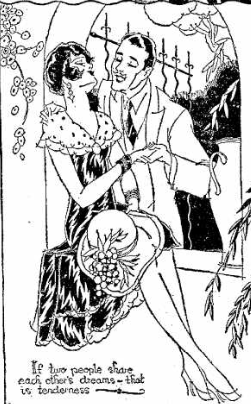
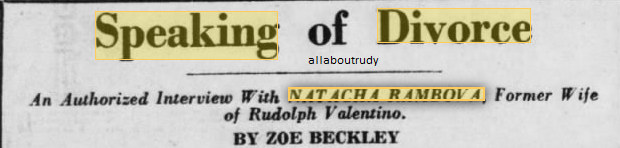
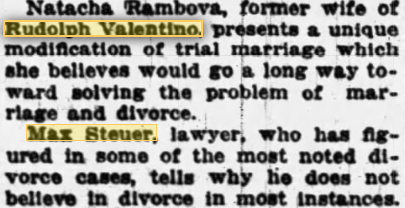
1927 – Speaking of Divorce Interview with Miss Natacha Rambova

Capture.PNG

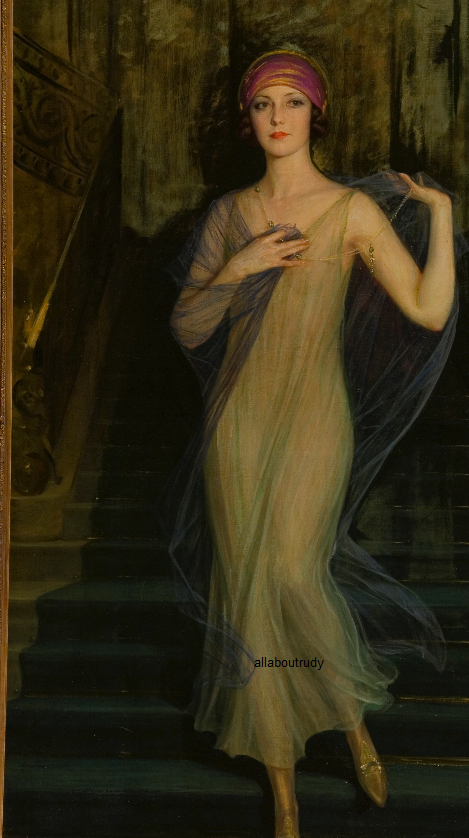
This newsarticle interview featuring Natacha Rambova, dancer, designer, and former wife of the late Rudolph Valentino.  Miss Rambova feels her opinion on the subject of divorce can bring clarity and help women who read this article is reason for participating.  Miss Rambova starts the discussion by saying “I would hate to suggest anything that would make this supposed democracy less free and equal than it is already. Nevertheless, I would like to see marriage made difficult and expensive and divorce easy and cheap to obtain”.  A most beautiful lady says this a lady you all know and many of you have seen: a tall slender leady in a golden robe with great splashes of purple and a ruby turban bound closely about a pair of wondrous eyes and a brow like cream satin.  A lady of experience she is, and of deep learning, with a flair for the mysteries of the East and an unquestionable conviction that we can communicate with the so-called dead, who live in a world of their own, a world of spirit, yet amongst our very selves. Natacha Rambova alias Winifred Hudnut once the wife of the most loved of all move screen stars Rudolph Valentino. Rudy to her, a Rudy still loved and still adored and still a friend, invisible but articulate.  Miss Rambova typing manuscript at a table in a sun-flooded room high up above the Park, rises and comes forward looking like a being from a Tennyson poem or an Ibsen play, a sort of “Lady of the Sea” with slim cool hands and a quiet manner.  It is a good thing Chi-Chi also present with his chop bone and a few Pekingese sniffles to remind us we are in the everyday world.  For we are going to talk of a rather everyday thing divorce, why it is and what’s it all about.  We asked Natacha Rambova to go on and say some more.  How would she make marriage harder and divorce easier? Wouldn’t drastic laws tend to make people disregard them? Would that be better or worse than what we have now? Can human nature be “prohibited” by this statute or not? What of property and children? “It does seem”, she says from the corner of a deep black velvet sofa, “rather presumptuous to talk of legislating people into happy marriages, and my mind isn’t legal enough to work out a plan”. “But there should be some way to compel people to know more about each other before they marry. You’ll think me hopelessly unoriginal to advocate trial marriage. But if marriage were difficult to enter and could then only be contracted for a term of say, five years at a time, I believe men and women would try harder to remain attractive, kind and companionable so that they would be wanted for another five-year term.  As it is too many people, once given the marital life sentence, cease making an effort to love and be loved.  He’s taken me says the wife now let him work for me and make me happy. While the husband says I’ve married her and gave her a home now I can go my own way without having to pay attention to her all the time. There are many things about marriage besides its permanence says Miss Rambova. For instance, I don’t think a girl and a man of different races or nationalities ought to marry, unless they know each other’s background thoroughly and sympathetically”.  Our mind flashed back to the Italian Rudy and his presumably Old World ideals of women, wives and marriage, and our glance traveled from his portrait in a silver frame on the piano to the beautiful living woman on the divan who legally freed herself from him less than a year before his death. Before we could frame the personal question, Miss Rambova went on “during courtship differences of opinion are diverting and rather ‘cute’. After marriage, they become tragic. They can never be smoothed over, because what has been implanted in the mind of youth, with centuries of heredity behind it, cannot be allowed.  Arguments only make it worse.  During courtship the arguments may end in laughter for your life is not actually affected by these differences of opinion. After marriage it is, and so the arguments end in tears and anger.  “Another reason marriage goes wrong is that man and wife are either too much together or not enough. There is no life-balance living closely in small homes, as we do these days, leads to boredom or outright disgust.  Being apart for long periods of time, as happens in the theatrical world and often when the wife is a business or professional woman gives each the bachelor habit and mutual interest dies.  “Possibly the worst of all marriage wreckers is interference from outsiders.  Husbands and wives are often not allowed to work out their lives in their own way.  Relatives won’t leave them alone.  Mothers, mothers-in-law and friends, relatives mixed in and cause hopeless situations. Sometimes the exigencies of public life rob a couple of happiness. There is no such thing as complete freedom of action. Everything we try to do is hampered more or less by what we owe others.  Because of these and a hundred other things that make one American marriage in four a failure, we certainly ought to make it easy to get divorced. When you’re through your through, that’s all and should have divorce for the asking and without having to give any reason at all”. We asked the lovely Natacha, what she’d do in case only one party to the marriage wanted divorce and he other wanted to go on loving and trotting the double harness. “Grant it, anyhow she said. It’s one of the chances you take when you marry, and you should be ready for it.  It’s all the more reason why everything from health certificate to a bank balance should be required before marriage, and then only a short-term contract be given on approval. To be renewed if mutually desired or cancelled, and one more chance given to make a permanent choice”  “Oh just one more chance given”? “Well the divorced wife of Rudolph Valentino spread both slender hands wide, with eyes to match said otherwise it would be just a series of on approvals a sort of legalized free love and that would certainly not be constructive”.  Miss Rambova doesn’t like the “Interlocutory decree” feature of divorce. She thinks once you’re through your through and a six month wait before a second marriage can take place leads to hardship and temptation”. But I couldn’t help but wonder why she would say that when she did the very thing with her former husband. Her and Rudolph Valentino married before the decree was up and there were charges of bigamy making them front page news. During the interview, Miss Rambova speaks of Rudolph Valentino with tenderness and understanding. One senses that proficient actor as he was, was in some ways quite a child and that the beautiful young woman with the magenta turban loved him with just a touch of the maternal. “No one, she says simply was ever more devoted to Rudy than I was and still am.  Which makes me add from deep, deep feeling of its truth that no marriage can be a true marriage without spiritual love, for other love vanishes, is often destroyed by persons and by circumstances.  But love that is of the spirit lives on”.  There you have it readers Miss Rambova’s opinion on divorce.

Categories: Uncategorized | Tags: , ,

1927

1927.PNG

Categories: Uncategorized | Tags: ,

1927

1.PNG

Capture.PNG

Categories: Uncategorized | Tags: , ,

1923 – Vogue Photo Shoot

VOGUE23.PNG

Categories: Uncategorized | Tags:

Jun 1923 – Nashville, TN

nashvile 1923 jun.PNG

Categories: Uncategorized | Tags: ,

1915-1962 The Barbara Worth Hotel, El Centro, CA

barbaraworthhotel.PNG

On 8 May 1915, the 4 story Barbara Worth hotel was open and located on the corner of seventh and main street in El Centro, CA.  This hotel was built at a cost at a cost of $300,000. In 1917, it was expanded at an additional cost of $125,000 adding 42 luxury suites in a Spanish style design keeping with the current architecture.  A patio and a fountain designed by Felix Peano were added from a quote in the novel “the desert waited, silent hot, and fierce in its desolation.  Holding its treasures under the seal of death against the coming of the strong ones”.

the-barbara-worth-hotel-interior-el-centro-ca-1915.jpg

This hotel was named after a fictional character in a novel titled “The Winning of Barbara Worth” by writer Harold Bell Wright. The author dedicated the book to his friend W.P. Holt who returned the compliment and built the hotel. In 1926, Samuel Goldwin made a movie based on the novel that starred Ronald Coleman and Vilma Banky. The hotel has a spacious lobby and an artistic dining room with 4-star quality cuisine. Sixty feet below the oceans level in the heart of El Centro the building is a gem of old Spain that keeps alive the traditional hospitality.

1928.PNG

Over the years, this hotel has suffered from allot of negative press. For example, 23 Jun 1915, the hotel collapsed in complete ruins from an earthquake. On 9 May 1916, the hotel’s manager shot and killed himself. His suicide note read “life became too lonely for him to live longer”.  Some of the more famous guests were Natacha Rambova and Rudolph Valentino. In May 1922, while enroute, to Mexicali, Mexico to get married, both famous movie stars and other members of their first wedding party stayed there for two days enroute to Mexicali, Mexico.   In 1962, the hotel burned down by a fire.

Categories: Uncategorized | Tags: , , , ,

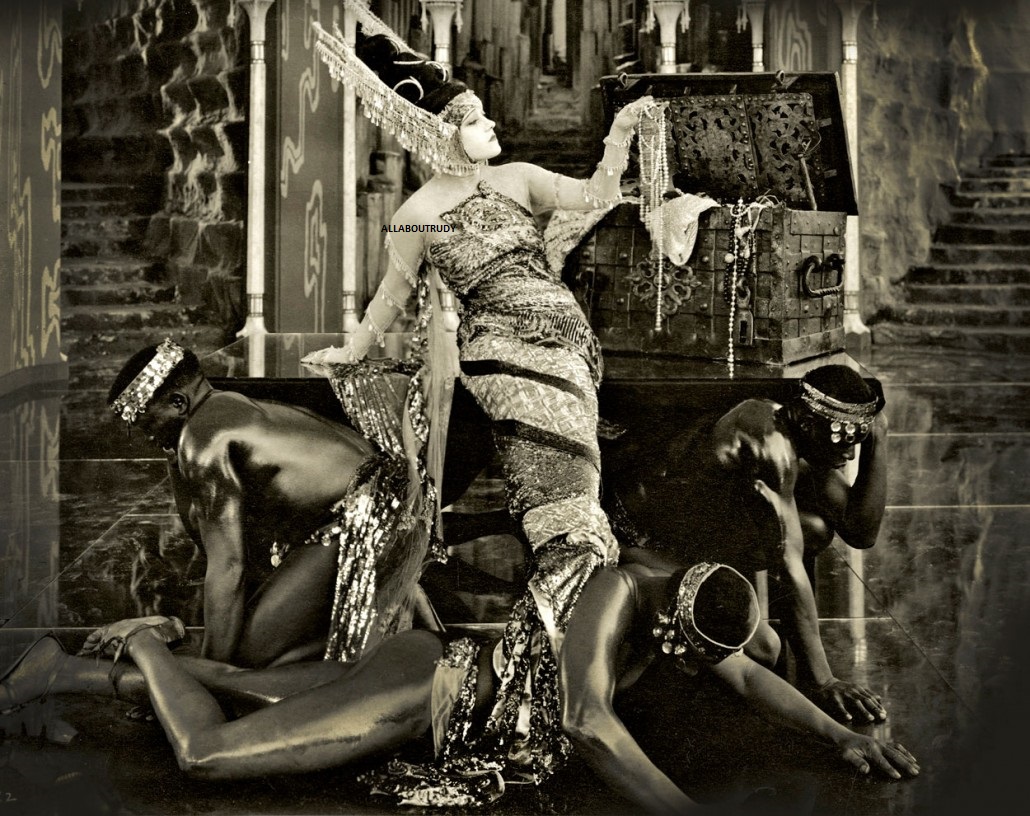
1919 – Rambova Costume Design

natacha-rambova 1919 worn by gloria swanson in dont change your husband.jpg

The costume designer is Natacha Rambova featuring one of her early designs and worn by Gloria Swanson in “Don’t Change Your Husband”.

Categories: Uncategorized | Tags: ,

27feb.PNG

Categories: Uncategorized | Tags:

nr3.PNG

Categories: Uncategorized | Tags:

1929.PNG

Categories: Uncategorized | Tags:

10 oct 80.PNG

Categories: Uncategorized | Tags:

17 Feb 1926

17 feb26.PNG

Categories: Uncategorized | Tags:

16 Feb 1926

nr.PNGnr2 16 feb26.PNG

Categories: Uncategorized | Tags:

15 Feb 1926 – Natacha Gives Fashion Advice a Chance

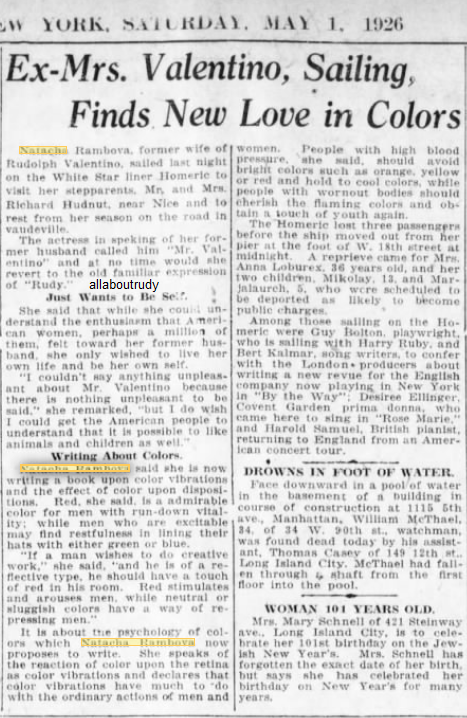
In the first place, I feel no need to apologize to humanity at large for making women’s clothes one of the major interests of my life.  Instead, I believe, that the person who tries to lead women into cultivating beauty of color is doing as much for the world as any philosopher who ever tripped over the thong of his sandal.  The student of dress, it seems to me helps women to polish the facets of their personalities, besides garnishing the urban scenery enough to make our cities most endurable.  The truth of the matter is clothes are a creative. Women for some strange reason react mentally and spiritually to the fabric they place over their skins.  It is the nature of women to try to live up or down to her clothes.  Put a tired, kitchen-worn housewife into a perfect evening dress, groom her to a match, and watch her evolve a new personality in less time that it would take a brisk genie to crawl out of a bottle.  Outside of the homes for mental cripples, there probably isn’t a woman in the compass of all the seven seas who doesn’t become more gracious and show a brighter mental luster when under the influences of a satisfactory gown.  The great French shops are coming to specialize more and more in certain types of design, regardless of the aimless winds of style.  Lanvin, for instance concentrates on long-skirted dresses of the 18th century mode on things for a woman who looks best against a background of porcelain shepardesses and tapestried views of idyllic gardens. Poiret likes to create gowns for the sim-tropical woman the sort who look as if she had a breath of Chinese incense in her soul, or had spent her last incarnation dustings jade flowers in a temple of Ceylon. Jenny’s special delight is making tight-bodice and full skirted gowns for the whipped cream variety of jejune file.  The wise Parisians buys the same type of clothes year after year from the same designer, conforming to style in details but never in principle.  Thus, the first thing that an American should do who wishes to be well-dressed is to turn to someone who can help.  A woman who belongs to the petite doll-like species should never wander away from a childish outline. Her dresses should fall either in straight lines or in the fluffiness of floating tulle. She should be careful to keep away from dresses that are draped.  Gowns that look as if a bolt of material had been thrown gracefully over the shoulder of the wearer belong solely to the blood relations of the Statue of Liberty. The small woman who wears them succeeds in resembling a dressed up pop bottle. She should pin her allegiance to sport clothes, straight simple little daytime frocks and to the afternoon and evening owns that billow like clouds on a windy day.  Incidentally, the petite Dresden shepherdess is one of the very few who can wear very short skirts to the satisfaction of everyone concerned.  If a woman decides she is essentially sweet and feminine, she should rally around a standard of filmy materials and delicate pastel shades.  Floating panels and gossamer scarfs would help to give her the misty, ethereal quality that many men picture is their idealization of a woman. A person of this type should side-step severely tailored clothes.  The quiet rather conservative woman who has a dignified charm and who wishes her intellect to be taken seriously should wear long and graceful looking simple gowns. Soft satins heavy crepe and soft wools make the best backdrops for poise and dignity and the authority of an assured position. Next comes the transplanted orchid type girl the sort that for want of a better word “exotic” artsy and burns incense in her boudoir.  She has a dash of the orient in her, and likewise, runs riot among embroidered phoenixes from China, stiffed-necked lotuses from the Nile and brightly figurines that ride in endless procession around the borders of ancient Persian manuscripts.  The woman needs to truly look at herself in a mirror and the picture tells if the shoulders are too broad, the woman who is examining herself should go at once to her closet and snip off every silk chrysanthemum that might be reposing above an armhole. Then raising her arm to the ceiling she should vow never again to buy a gown with a broad bateau neckline, confining herself exclusively to a v-neck or to such rounded incisions as terminate a long way from the shoulders.  One point to remember is that the design on a gown should always be placed so as to draw the eye to one’s best lines and away from points that can’t stand publicity.  Let’s talk about cheap stores that sell cheap gowns made out of boisterously patterned silk or trimmed with everything left over from Valentine’s Day. Therefore the girl who cannot afford expensive dresses should buy her clothes ready-made. She should select two or three designs that are most flattering to her figure and buy some good material from a reliable department store and have it made up by a neighborhood dressmaker.  Good material whether silk or wool doesn’t stretch or sag or grown shiney after it acquires many service stripes. Besides, it can always be repurposed and used again when the wearer grows tired of this present design.  In the end, regardless of how you see yourself take pride in your appearance.  Do your homework on what materials and designs best suit you and your budget.
Categories: Uncategorized | Tags:

nycphone.PNG

The above is a snip of Natacha Rambova’s NYC Phone number.

Categories: Uncategorized | Tags:

rambova 1926.PNG

Categories: Uncategorized | Tags:

1 sep 28.PNG

Categories: Uncategorized | Tags:

mar 1923.PNG

Categories: Uncategorized | Tags: , ,

1925.PNG

Categories: Uncategorized | Tags:

1953 – Adolph Zukor on Natacha

ZUKOR ON NATACHA.PNG

Categories: Uncategorized | Tags: ,

25 Nov 1922

Since their rather sensational wedding it is interesting to note that Natasha Rambova Valentino says “it was not love at first sight it was good comradship more than anything else”..

Categories: Uncategorized | Tags:

29 Dec 1925 – Should a Wife Deny a Husband Children?

The question of a wife’s right to deny her husband children is raised again, in an article in Liberty this week.  The recent pending divorce of Rudolph Valentino and his liberal wife as the basis for this discussion. This question is as old as the human race.  It has caused more arguments and marital discord. Nations have been split by it and kingdoms almost rent in twain.  Thrones have tottered and churches trembled in the balance.  What do readers thing of it DOES A WIFE HAVE THE RIGHT TO DENY CHILDREN TO HER HUSBAND? The times will pay rewards of $3, $5, $7 for the best three letters on the subject.

Of this great question, Valentino in Liberty, “If Mrs. Valentino is through with me, I am through her and this marriage-until I can have children and give them the kind of care and love, I had as a boy”.

Then the wife known as Natacha Rambova is quoted “We were married four years ago, and it was an intense romantic love afair.  Gradually we found out it was a mistakem and we separated a matrimonial vacation the newspapers called it.  You cna’t blame us because we thought our marriage would be perfect.  Young people havent much sense about love and no provision.   Anway, we weren’t married with the cold-blooded idea in a few years we would get a divorce, amuse ourselves again with another marriage.  I believe in divorce. Where two people are injuring each other by bad feeling they ought to be separated.”

Stay tuned to this blog for updates to this article.

Categories: Uncategorized | Tags: ,

A WordPress.com Website.