
With his swarthy good looks and elegant bearing, Rudolph Valentino was the greatest matinee idol of our time. During the height of the Valentino craze, one glimpse of his melancholy gaze as his lithe figure came onto the big screen brought his female admirers to the brink of hysteria, many of them fainting right in their seats. Unaware until just hours before his death that his condition was truly serious, Valentino told his doctors “I’m looking forward to going fishing with you next month”. But soon afterward at 8 a.m. he fell into a coma and four hours later he was dead. News of his death flashed across the screens of local movie theaters, causing “general consternation and occasional hysteric outbursts of brief among some of the patrons” news papers reported. Fans telephoned news paper offices, film companies to verify the news. Many still couldn’t believe the news. Ugly rumors spread Valentino was poisoned by a jilted lover. Several days later, members of Chicago’s Italian American community formed the Rudolph Valentino Memorial Association. At a service held at the Trianon Ballroom, 62nd Street and Cottage Grove Avenue, Chicago Civic Opera singer Kathryn Browne sang two of the actors favorite songs “Rock of Ages” and “Lead Kindly Light”. Only three years earlier Valentino during a personal performance danced in the very same ballroom before a large adoring crowd. The women came dressed to kill in long flowing gowns, low necked sleeveless outfits and lace dresses. The men wore their best wide-bottom trousers and patent leather dancing shoes. Amid sighs of “Ooooo Ruduuuuudolph” from smitten females, a gracious Valentino said: “I thank you. I am grateful for this reception of just an ordinary man”. The Valentino mystique lives on, though not with the same intensity that was fueled by his untimely death and led, among other things, to talk of putting a statue in his honor in Grant Park. In 1977 Rudolf Nureyev played the ill-fated star on the big screen in “Valentino” and the following year a section of Irving Boulevard in Hollywood was renamed Rudolph Valentino Street
Posts Tagged With: Rudolph Valentino
25 Sep 1988 – Ah Valentino How Many Hearts Of Our You Break

23 Apr 1957 – June Mathis
June Mathis the scenarist who discovered silent film star Rudolph Valentino, is buried next to him in Hollywood. She secretly arranged it that way.
9 Aug 1960 – After all
After his death long after his death some 30 women claimed to have given birth to his babies. The symbol lingered on. This would have disgusted Valentino, but there was another item, had he been able to hear it, that would have given him utmost satisfaction. It was at the funeral of one-time world’s heavyweight champion James J. Jeffries viewed the glamorous gloom, the overpriced coffin, the hundreds of veiled women and said “Well, he made good”…
8 Aug 1960 – The Sheik Molded to her kind of man
Three weeks before his death at 31, Rudolph Valentino took stock and observed. “Life is too fast for me. A man should control his life. My life is controlling me.” Rudolph Valentino life was viewed thusly: vain, lazy handsome, well-built, slender, good-tempered. He wanted to make good and he wanted to make good in the he-man, two-fisted, bronco busting, poker-playing, stock-juggling America. But they called him a “pink powderpuff” of a man. Rambova didn’t though. The great lover was Natacha Rambova’s her man all hers. She molded him the way she wanted him. She drummed into him her philosophies, her moods. She was one of the “controlling factors” in the short but reasonably happy life of Rudolph Valentino. Rambova was a far more interesting and colorful figure than the legendary Valentino. She possessed amazing talent and a tremendous mind. Above all else she was an artist, a ballerina, a painter, an actress, designer, writer. Her maxim was “self-expression through art is the only worthwhile thing in life”. A writer said “Natacha didn’t need suggestions only obedience. When she gave a decisive judgement, anyone who countered was always wrong because she was always right. This was the second wife of the sometimes simple often lonely Valentino “the cinematic symbol of primitive love”. They were married about two years and most probably in love the entire time. Valentino worked Natacha for her brains, her beauty and she respected his talent and achievements. Men were jealous of him and envious. He lived a life that could have been better lived if the choices he made were based on thought rather than emotion.
6 Aug 1938 – Beulah Livingstone
21 Jul 1925 – Women Resented Him
NO one would attempt to deny that Rudolph has had a severe setback. One of the very big directors told me it was his opinion that Rudy had been all but assassinated professionally by the too open attempt to advertise him as a lady-charmer. According to the opinion of this director, that has been Rudolph’s trouble. He was touted so heavily as “the great lover of the movie screen” that has aroused the resentment not so much of men as of women. Valentino and other famous silent stars of the time. In every one of
these famous stage careers there is a core of tragedy, of futility, and failure
2 Aug 18 – Q/A with YouTube Vlogger “Jordan the Lion”
Readers, this blog is about Rudolph Valentino. Through these blog posts and my research, I hope this has been a journey of new and fascinating discoveries for you. After years of blogging, I am still amazed new information is continuously discovered by a community of people who are fans of the silent film industry. Fellow Valentino fans who avidly share their finds on social media and have interesting conversations about their discoveries. Also, it has been my privilege to meet noted authors, vloggers and fellow Valentino fans kind enough to take time out to information share. One such person, is a YouTube Video Logger whose moniker is Daze With Jordan The Lion. This enterprising vlogger has produced some amazing vlogs on a variety of different subjects and foreign travel. This gentleman’s vlogs have been viewed with appreciation by many of Valentino fans on social media. Since the month of August is dedicated to the memory of Rudolph Valentino who died on 23 Aug 1926. I reached out to Mr. Jordan Lee who was gracious to grant me this short interview for which I humbly thank him for taking time.
1) Rudolph Valentino’s memory is still highly regarded, and many fans have been excited when viewing your v-logs. The detail and depth of new information has been appreciated. What are your thoughts about knowing your vlogs are viewed by a different fan base?
I am extremely happy to know that people still care about Valentino’s career and lore, so knowing that people are finding my vlogs and maybe just going and watching his movies out of their own curiosity really makes me happy, so I love it.
2) One of your Vlogs #151 Inside Rudolph Valentino’s First L.A Apartment was at the Hotel Alexandria. First. I want to say well researched and cool to watch. This is a favorite vlog amongst fellow Valentino fans. What was your first impression when you were able to see the room where Norm Kerry and Rudolph Valentino stayed?
My first impression was how I felt like it hadn’t changed at all. and you can almost feel like you can see them living in there. I don’t know, it’s pretty surreal. There are many places they keep rooms in that kind of condition and untouched for as long as that place has so it really had a Valentino feel or what I would feel like Valentino would stay. I also have to say how surprised I was that the Hotel was so willing to show it to me. They literally just handed me the keys at one point…
3) Have you watched any of Rudolph Valentino’s silent films? If so, do you have a favorite?
Yes, I always liked the Sheik, and The Four Horsemen of the Apocalypse, but since I like to spend time in the Fern dell part of Griffith Park, Los Angeles with my dog, ‘The Young Rajah’ has a special place for me, as they say some of those classic scenes were filmed on that path.
4) Will there be any future vlogging projects about Rudolph Valentino?
Yes, I have a couple more, and I’m hoping to include meeting with City Councilman Mitch O’Farrell in hopes in getting a plaque acknowledging where “Villa Valentino” was, since it was truly his home, I believe…. Mitch has been instrumental in getting various other plaques around the city acknowledging the Silent Movie contributions, as it is now Villa Valentino’s foundation STILL remains off to the side of the 101 Freeway behind a brick wall. Why not put a plaque on that wall acknowledging his house was demolished for the 101 to be constructed?
Well there you are I hope you enjoyed this interview folks. Please take the time and go to YouTube and watch other cool Daze with Jordan The Lion vlogs. I am hoping to feature future interviews in this blog of other noted Valentino authors.
UPDATE – There is a part 2 of this interview done in Dec 2020, exclusive for Patreon supporters.
25 Jul 1943 – A Bookman’s Holiday By Charles Collins
It was said, that Rudolph Valentino’s book of verses, “Day Dreams” was ghost writed by Gordon Seagrove, former Chicago Tribune reporter and thereafter advertising stylist, it was slightly off the track. The truth in a nugget is that Mr. Seagrove nearly wrote “Day Dreams”. The inside story, in his own words, is better than the original. “I didn’t write one line of ‘Day Dreams’ says the erstwhile skipper of the yacht Vanadis,” and if I did I would be glad to atone for it on the scaffold. But..when the great lover was becoming a biological urge I saw him in a dancing exhibition, I think in the Bismarck Gardens. When he ended his program countless frustrated mommas took off their wrist watches, rings, etc and threw them on the stage. That did something to me. How, I pondered, could Seagrove get some of those coconuts? So he hatched up a scheme for a deluxe volume of love poetry by Valentino, to be written and published by himself (Gordon Seagrove), and submitted to the Great Lover who said “Yes”. A serious accident in the Mackinac yacht race delayed the ambitious Seagrove, but after he had been patched up in the hospital ‘all bound with woolen string and wires” he began to write the poems. “It was Eddie Guest with allot of hot Italian background says Seagrove, “a whiff of the desert and a dash of ‘pale hands I loved beside the Shalimar”. All in all, it was good, heart-mellowing stuff, calculated to knock the matrons not into one loop but three. In due course, the verses were sent to Hollywood and approved. “But here the dirty hand of romance smote me. Valentino had met and fallen in love with Winifred Hudnut, also known as Natacha Rambova. This lady, who was a pallid kind of poet of the E.F. Cummings incoherent school, took one look at my meaty efforts and vetoed them forthwith. She substituted her own stuff, which now appears in Day Dreams – a new love in versification, in my opinion.. Rudolph Valentino was also the alleged author of a volume of memoirs called “My Private Diary” issued by the Occult Publishing Company, Chicago in 1929. It’s ghost writer has not yet confessed but I can tell you Rudolph Valentino did not write this book.
27 Jun 43 – Who Really Wrote Day Dreams Book of Poetry
Mention of a book of verse called “Day Dreams” bearing the name of Rudolph Valentino movie actor as author brought a footnote from Phillip Richard Davis who has also written a book or two of verse. He says: Some collectors seek this rare item because the verses attributed to Valentino were really written by Gordon Seagrove, former Chicago Tribune Reporter. “Day Dreams{ was a press agents idea to augment the build-up of Valentino into a national heart throb. Also it was at that time he was having problems with the movie studios so this was extra money. Seagrove did the writing in a few days. Ask Vincent Starrett about Seagrove as Valentino’s ghost writer. He ought to remember; he was also approached for the job. Seagrove was a first class minor poet in a gusty and humorous way. He was a frequent contributor to the Tribune Line O’type column in the 1920’s. In book form, however, his writings are only available in Valentino’s “Day Dreams” and in link book back numbers.
4 Aug 1940 – Still Remembered
23 Aug 2018 – 91st Annual Valentino Memorial Service
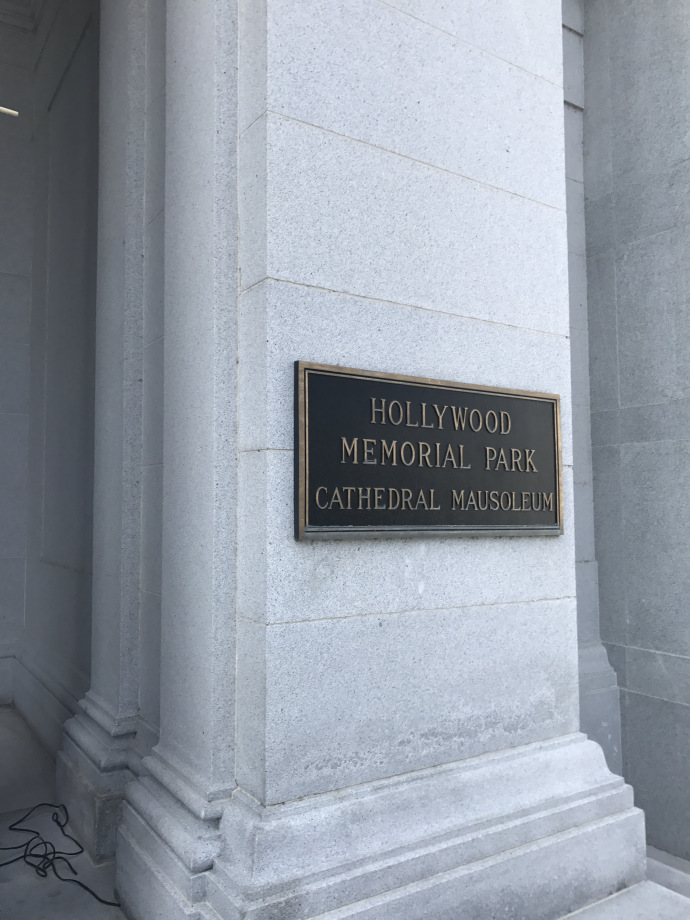
As a reminder – on 23 August 2018, Hollywood Forever Cemetery, Los Angeles, CA will be the site of the annual Rudolph Valentino Memorial Service. This is THE oldest continuing memorial service to a wonder silent film actor that this blog is dedicated to – Rudolph Valentino. At that time, I will be watching via Facebook live.
3 Nov 1922 – Banking gone Wrong
Rudolph Valentino went to the Commercial Trust Company to deposit part of his meager weekly wage of $1250. They almost had to call the reserves because the crowd gave such a good imitation of a mob scene. The bank thought it was the beginning of a run, but Rudolph was merely bored by the proccedings; he had too many other things on his mind such as no counch in his dressing room, too small a mirror and memories sitting on a barrel under the hot California sun.
2008 – Howard Mahoney Blog
Many years ago, I discovered Rudolph Valentino’s former Lou Mahoney had a son named Howard who had a blog. I thought how cool was this and with interest read his blog posts about his father and Rudolph Valentino and even commented a few times on posts he added. If you delve into his blog he does talk about his father’s relationship with Rudolph Valentino. Mr. Howard Mahoney passed away in 2008 at the age of 80. But his memories live on in his blog.
25 July 1927 – Memorial for Valentino
A Rudolph Valentino memorial service will be held in London tomorrow night in memory of the dead film star. The service is sponsored by the Valentino Memorial Guild and the Valentino International Memorial Fund. Women from all parts of England will come to London over the weekend to attend the service and pay homage to their favorite actor.
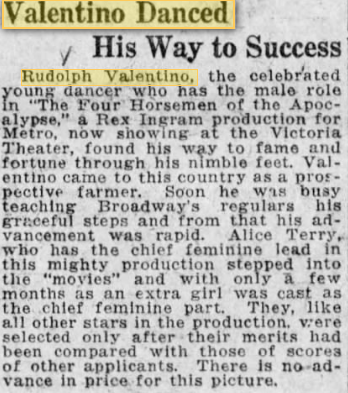
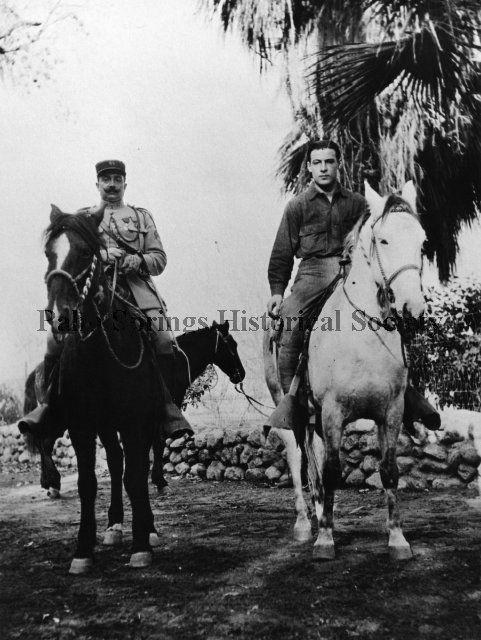
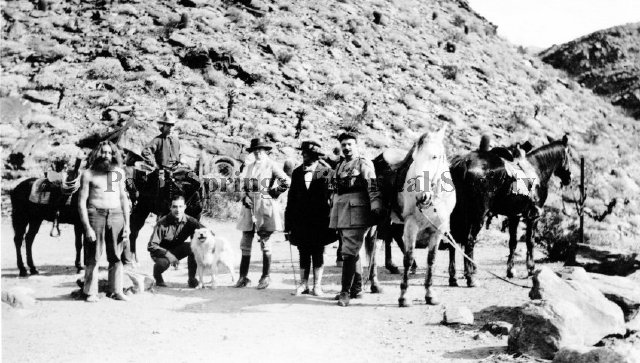
1920’s – Mitchells Dance Club, Paris France
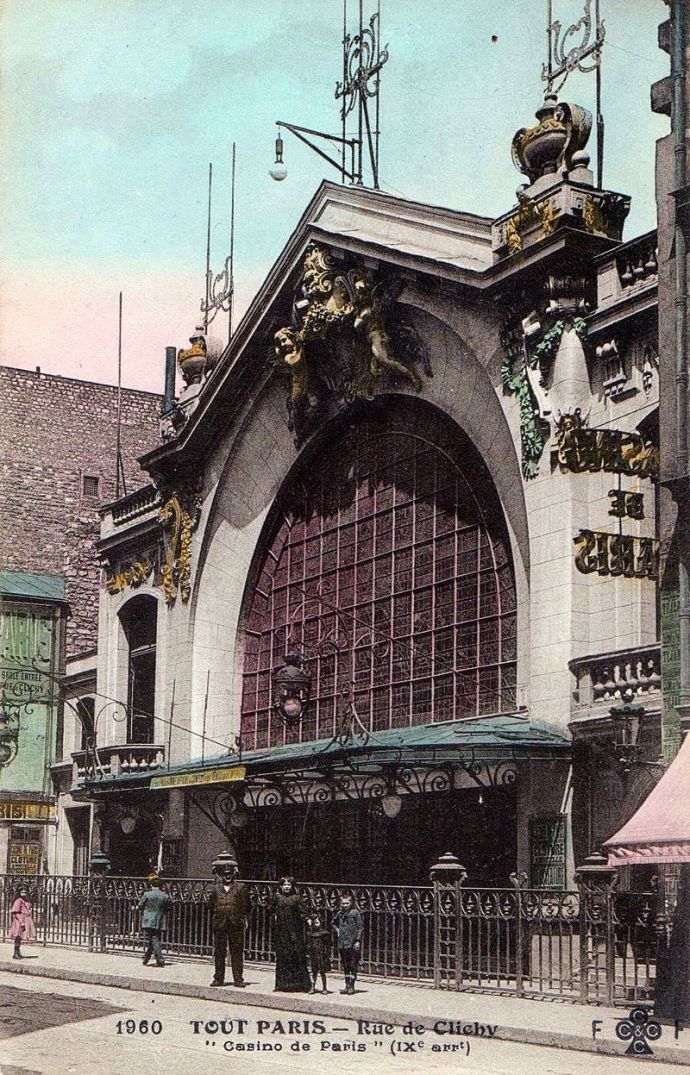
If one was rich, handsome, famous and traveling to Paris where would one go? Well the only area to see and be seen was Montmartre in Paris. Montmartre where no one gets up before seven or eight in the evening and nothing starts before midnight. This section of the city was a culture haven a crowd of artists, writers and musicians. Also, was steaming with nightlife and the common denominator was good jazz music, pretty girls, and great booze. One place was a favorite place of the rich and famous the Casino de Paris. This club would set the mold for Jazz performances in a decant scene of mingling. The first so-called “jazz” in Paris was Louis Mitchell’s Jazz Kings at Casino de Paris. A decent if antic drummer, Mitchell’s syncopated rhythms were the main attraction. A huge financial success, his salary of 7,000 francs per week was about 10 times that of a member of cabinet. But this was not enough so Louis Mitchell opened his own cabaret where famous musicians from America would frequently play a gathering for ex-pats from America. Mitchells was a favorite place of Rudolph Valentino who often came to participate in Charleston Contests or simply listen to Jazz. During visits to one of his favorite cities here he could relax and enjoy the finest of what life could offer. He befriended many of different cultures and backgrounds. To him it did not matter because life was to live and enjoy.
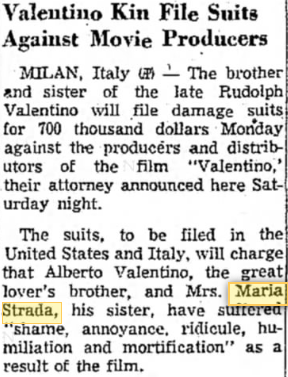
28 Feb 1923 – Curley to Manage Rudolph Valentino
It was announced today that Jack Curley, local wrestling promoter, would forego all activities in this line for the present, in order to chaperon Rudolph Valentino, the moving picture star, on a tour of this country. The date for the start of the proposed tour was not mentioned.
1 Jul 1956 – Opportunist Buys Chairs Used by Rudolph Valentino
An ice cream vendor stopped off at an auction of furnishings of the old Hollywood Hotel last week in Hollywood. First thing he knew he found himself paying $12 for two chairs once sat in by Rudolph Valentino. Sentiment was all right, but he was not a man to overlook a ready made opportunity. “Okay if I sell a little ice cream” he asked the auctioneer. It wasn’t long before he bought the chairs.
26 Jul 1978 – Danced with Rudy
Ruth Williams, 82 a resident of Petaluma Convalescent Hospital recalls a moment in time that still brings a smile to her face today. I met Rudolph Valentino when I was merely 16 she said and that was long before he made the movie that gained him stardom “The Four Horsemen of the Apocalypse”. He wasn’t anything like the press agents in Hollywood made him out to be. Why, he was very reserved almost shy in fact. But dance, why he could dance.
6 Jul 1925 – Close-up
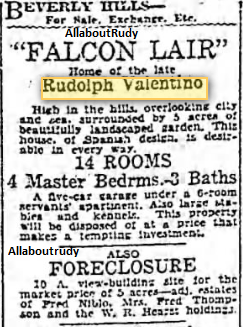
Rudolph Valentino says he is going to install an airplane landing at his new Italian villa named Falcon Lair which is set in the midst of nine acres in Beverly Hills.
“When a woman is beautiful, she is a miracle, a masterpiece of God, an acolyte of Venus a lotus of love”..Rudolph Valentino 1926
29 Nov 1925 – Rudy sees Paris
Rudolph Valentino celebrated his first night in Paris with a big Montmartre party, which wound up in Mitchells colored entertainment club in the Rue Blanche at 5:30 this morning when the tired movie start was unable to dance anymore. With two friends, he bade good-bye to the beautiful women, climbed into a limousine, and drove home leaving the other men to escort the ladies to their hotels. Clad in full dress with tails, white waistcoat and white tie Valentino and his party created a furore wherever they appeared. After the theatre he went to the new popular dancing place Florida next door to the Perroquet where the South American clientele greeted him with an ovation. Rudolph danced a couple of one-steps with Mrs Jean Nash known as the best dressed and most extravagant women in Europe, but declined to attempt the Charleston and tango. After several bottles of champagne the party adjourned to Mitchells for more wine and breakfast, the movie star polishing off the night with pancakes, bacon and eggs. A beautiful blonde Viennese actress formerly of high rank in Austrian society joined the party at Mitchells and Valentino danced twice with her.
30 Sep 1953 – Easterner Named Rudolph Valentino Has His Troubles
Nobody will believe a handsome restaurant worker here when he tells them his name is Rudolph Valentino. “They think I’m kidding” he explained with an engaging smile. Actually, there is no relation between Rochester’s Rudolph and the movie’s idolized lover of yesteryear with the same name. But enough years have passed to dim memories of the great Valentino’s appearance so there is quite a fuss whenever anyone discovers Rochester Rudolph’s full name. “The second time someone meets me, the wisecracks start” the local man points out. “Its come to a point where I don’t tell anyone my last name if I can help it”. When he was younger he felt his name gave him a psychological edger with the opposite sex. “It certainly never scared any girls away” he said. At the restaurant where Rudolph works, many bets have been made over whether or not his name is “real”. The losers generally want to know how well a lover Rochester Rudy is. When he tried to enlist in the Marine Corps, the recruiting officer tore up his first application thought he was being a wise guy. When Rudolph attended a school of dramatics, the first thing he was told to do was change his name. Rudolph got his name after a three-week argument between his mother and father following his birth in Radicena, Italy, thirty-five years ago. Dad finally won out.
1928 – Cult of Valentino Formed
1924 – Mineralava Memories
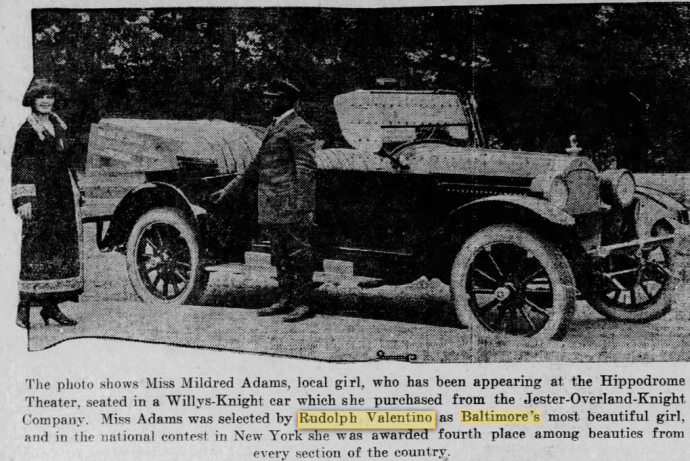
9 Nov 1986 – Remembers Dancing with Rudolph Valentino
Memories carry me through the lonely years says 83-year-old Beatrice Fribush, Baltimore, MD. Young Bea had a strict father, loved to dance, but was not allowed to date boys or hang out at dance halls. To have some fun and “shake myself” she would tell her father, the owner of Jacks Tavern near the intersection of Gough and Spring Streets in East Baltimore, that she was going to movies with friends. Despite receiving spankings with a leather strap for her fibs, Beatrice continued to sneak away to dances. “One time I went to a dance and Rudolph Valentino was there on stage” she wrote. “He asked if anyone from the audience would care to dance with him. I smiled and raised my hand. We danced the tango and I felt wonderful. He said I was very good and asked me to be his dance partner. Since, I wasn’t even supposed to be going to dances I said no. I still regret turning him down to this day.
31 Mar 1923 – Baltimore
Rudolph Valentino is in a Baltimore Sanatorium taking a course of treatment for his nerves. The courts must have been getting on Rudolph’s nerves.
1 Nov 1931 – Radio Queen fired from first job by father when she phoned Rudolph Valentino
When Harriet Lee blonde, statuesque beauty of the Columbia Network, was crowned “Miss Radio of 1931” and queen of New York Radio-electrical world’s fair she suddenly became one of the radio’s most interviewed personalities. One of the best stories she can
recall from her not so extensive past concerns the time she was fired from her first job. Oddly enough it was her father who fired her. The whole thing was brought about by her girlish hero worship which is amusing when you consider that just a few weeks ago thousands Of people daily emitted “oohs” and “aahs” and gazed reverently at the fair Harriet when they passed her booth at the radio show. Harriet’s hero worship was lavished on Rudolph Valentino. At the time she was working at her first job telephone switchboard operator. In her father’s Chicago automobile salon. Thinking how fun it would be to talk to Valentino she called his Hollywood home one afternoon, even going so far as to reverse the charges. A servant answered, told her that Mr. Valentino was on movie location, and assured her that if the call Was important he would see that Mr. Valentino would telephone her upon his return. “Its very important” she said. Nothing happened until she arrived at home that night when she found her mother in tears. When the return call was not answered at her office, the local operator had found Harriet’s home number and called there. Mrs. Lee answered the call, and hearing that it was California on the line thought at once that something was wrong with Harriet’s grandmother. She had just heard Valentino say “Hello” who is this when, for some reason, she was cut off. Until the young Hero worshipper explained it, her mother still thought something was wrong in the California branch of the family. Mr. Lee decided that it was all too much monkey business so Harriet was fired with honors.
May 1921 Unchartered Seas Review Camera Mag
Metro-Screen Classics Film version of John Fleming Wilson “Unchartered Seas” starring Alice Lake and Rudolph Valentino is released this week. It is the story of a woman who, after suffering years of indignities at the hands of her husband, finally leaves him upon proof that he is a irretrievable coward and turns to “the man she hadn’t married” with whom she endures months of cold and agony while they fruitlessly explore the unchartered Arctic Seas. Privately we don’t care for fake icebergs and unreal miniatures in the scenic, and the terrors experienced by the hero and heroine make one wish that one of the tumbling glaciers would end it all. But when many souls are more dramatic than ours and for them such pictures are made. Let it be said seriously that an excellent aurora borealis effect has been obtained. It is far more convincing than some of the foregrounds upon which it shines. Miss Lake does Lucretia Eastman, the disgusted wife, with dignity. Mature roles suit her better than the flappers in which we have so often seen cast. Rudolph Valentino does little well as Ralph Underwood the romantic explorer who loves the wife of another man.
1 Feb 1923 – Long Distance Telephone Interview with Rudolph Valentino
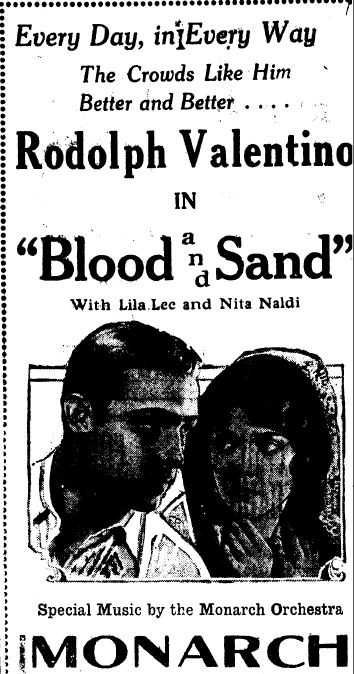
“Hello Central, give me Long Distance please”. “Long distance”? this is Miss Josephine Stewart editor of the Marion Times-Standard. I want to put in a call for Mr. Rudolph Valentino, Hollywood, California. Yes, Central Rudolph Valentino, you will call him thank you. Thus, began a long-distance telephone interview with Rudolph Valentino at Hollywood Studios. Wires started bussing and thirty minutes later listeners-in heard the following conversation with filmdom’s matinee idol and hear of Paramount’s sensational film Blood and Sand. “Hello, Miss Stewart, ready with Hollywood, California. Valentino’s on the wire “Hello Mr. Valentino”? “This is Rudolph Valentino speaking”. “Mr. Valentino, this is Miss Stewart, dramatic editor of The Marion Times-Standard. I just wanted to ask you a few questions about your film work”. “Alright, I’ll be glad to answer them if I can”. “Well, I’ll be brief and to the point. Pardon me if I am a bit hurried”. “Certainly, go ahead”.
“What is your favorite picture, Mr. Valentino”? I think Blood and Sand, my latest release, is the best, at any rate I enjoyed making it most”. What about “The Four Horsemen of the Apocalypse”? “Well that was a wonderful picture, but I didn’t have the opportunity for dramatic expression as in Blood and Sand”. “Who adapted Blood and Sand to the movie screen”? “Miss June Mathis, and she has handled Ibanez’s story in a remarkably clever manner”. “And who directed. Ro—pardon me, Mr. Valentino most called you Rudolph/ You see I’ve seen you so many times on the screen, I really feel like I know you”. Perfectly agreeable, I’m sure. In fact, I’d a little rather be Rudolph. You were asking who directed? Fred Niblo the man who made the Three Musketeers”. “Isn’t Lila Lee in the cast”? “Yes, and Nita Naldi, too and Miss Naldi’s work can’t be praised too highly. It’s really an inspiration to work with her”. “Do you actually engage in a bull-fight, Mr. Valentino”? “Yes, several times and frankly I’m glad that’s over. When I first went into the arena well, anyway, I won’t forget it soon. Talk about throwing the bull, that bull nearly threw me when we were making the first shots”. “You seem to fit in so well for Spanish parts. Do you like them”? “Sure, I enjoy the Spanish roles. The Spanish atmosphere somehow seems to inspire one to better acting.” “Do you think Blood and Sand will meet the same national success that The Sheik did?” “Well, I can’t say, but the critics that have reviewed the movie have been more than kind. In fact, some of them have grown enthusiastic over the film, and you know how hard-boiled they are. It broke all attendance records at Los Angeles, and Los Angeles fans are rather critical, we feel that this may be taken as a criterion.” “Is Walter Long in the picture?” “I should say he is. And say, he has an exceptionally strong part and does it wonderfully.” “I’ve had several people ask me if you were not once a dancer?” “Oh yes, for quite a while. That’s how I got my chance in The Four Horsemen.” “And how about a love story. Is there one in Blood and Sand?” “A beautiful one. It’s of the exotic Spanish type and there are situations in that will leave you breathless with excitement. By the way, when is Marion showing the picture?” “Friday and Saturday of this week at the Bonita and the whole town seems interested. We are all anxious to see it.” “Pardon me, but your time is up.” “Good bye Miss Stewart and regards to Marion.” “All right, Central. Goodbye Mr. Valentino.”
05 Jun 1922 – Nazimova Not Fugitive
Silent Film Actress Nazimova denied today she was a fugitive from California where she was wanted as a state witness in the trial of Rudolph Valentino who was charged with bigamy. The actress was enroute to New York, said she had not tried to evade service of subpoena in Los Angeles. “I delayed my trip by two weeks in order to give authorities a chance to serve me she said, then I left”. Nazimova accompanied Valentino to Mexicali where he married Winifred Hudnut.
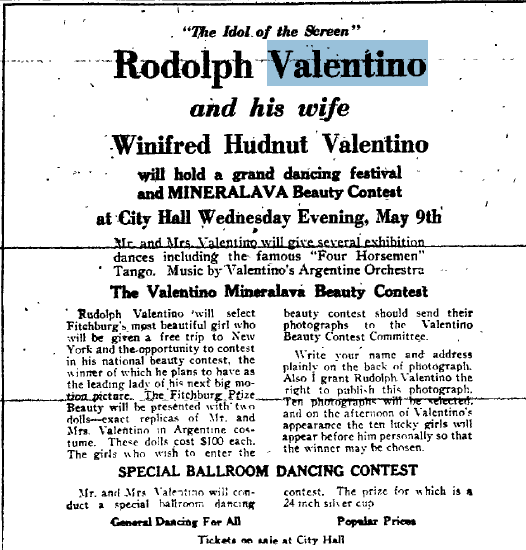
5 May 1923 – Mineralava Contest Fitchburg, MA
Falcon Lair Furniture – 19th Century Italian Iron & Bronze Items Adirons
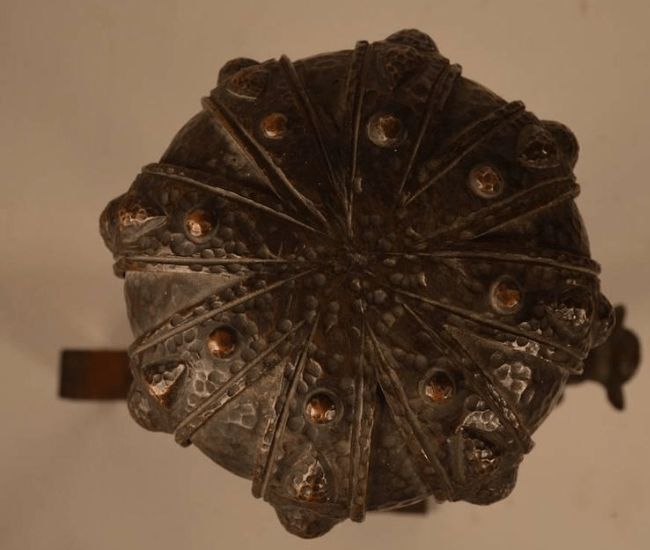
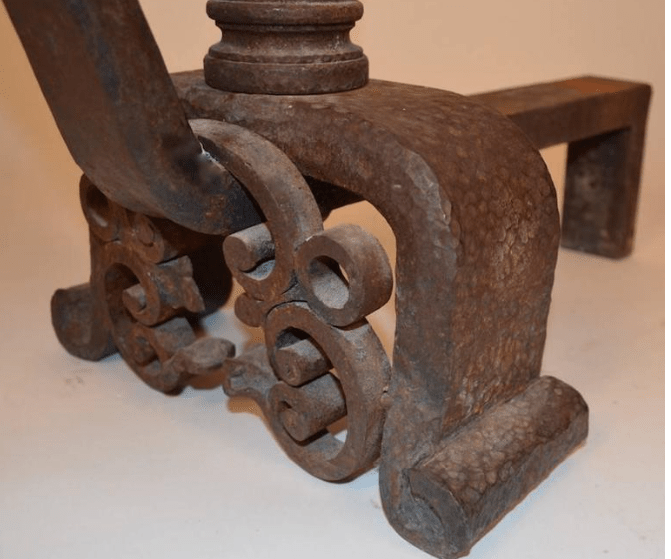
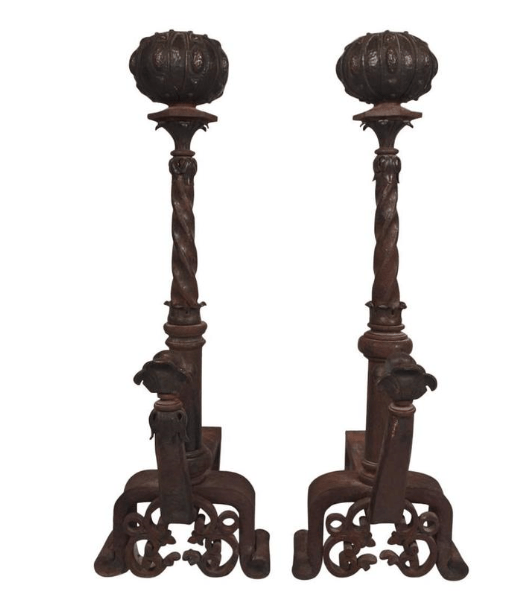
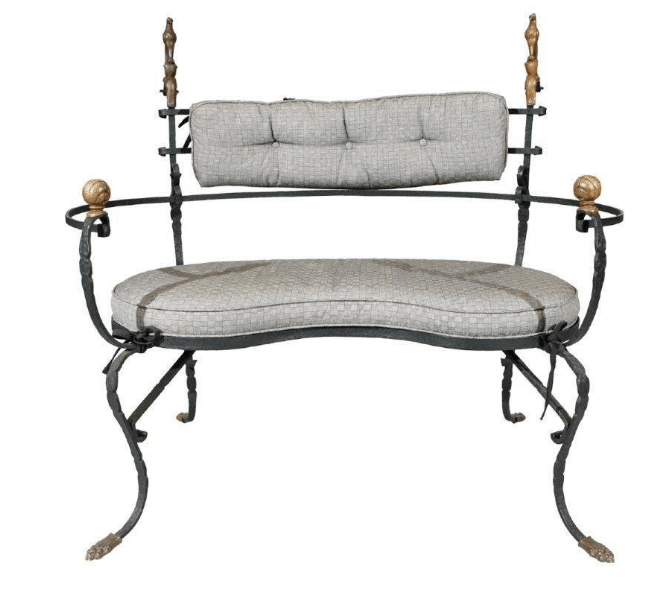
Falcon Lair Furniture
Iron & Bronze settee designed in hammered iron with RV initials. This exquisite piece belonged to Rudolph Valentino. Upon his death, it was owned by Doris Duke, and then purchased by Rock Hudson’s designer for the late actor’s home.
01 May 1947 – Current Teen-ager is Valentino Fan
Gay Nelson, 18 year old beauty is now making her film debut has become a Rudolph Valentino fan, for she thinks he was swoonier than Frank Sinatra is. Gay, who is playing the ingénue lead at Columbia Pictures in “Millies Daughter” recently picked up a phonograph record at second hand shop of Valentino singing “The Kashmiri Love Song”. Now Gay and her debutante friends are trying their best to meet someone who owns a print of “The Sheik” in order to see what their hero looked like in action.
16 Aug 1923 – Valentino on Vacation
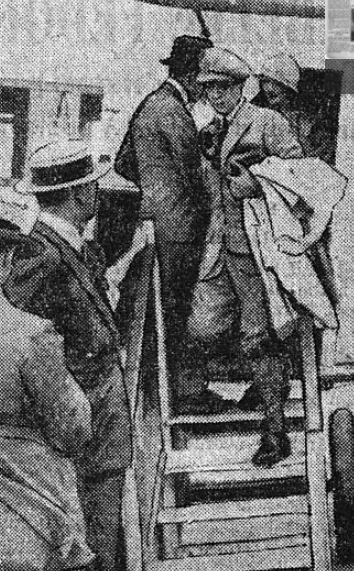
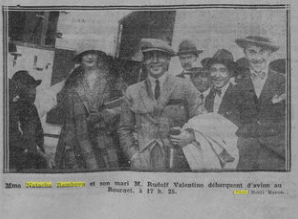
The foreign stars of the cinema, one after the other, come to France. Douglas Fairbanks and his wife Mary Pickford, and for ‘England the blonde’ Pearl White have already come smiling in the flesh to the enthusiasm of the crowds – under the Parisian sky. Yesterday, in its turn, a new star descended from the clouds, Rudolph Valentino, Prince Charming of the cinema and his charming wife Natacha Rambova. All of the famous silent film stars are in Paris. Mr. Valentino is having some rest before going back to New York to finish filming and judging an American Beauty Contest. The adoring crowds designated him as the most handsome man, was celebrating with his equally famous friends. The evening, in fact, a grand-banquet was setup for his party in the hotel. An international star, much more than American, Rudolpho Gugliemi was born in Castellaneta, and is actually called Rudolph Valentino. Eight years he went to America, started living a real movie; episodes by turns dramatic or triumphant. Dancer, then screen artist, he knows about Americans – and especially American cars – a vogue almost eclipses that of trolleys. Thus, after very romantic difficulties, he married, two years ago, the daughter of the perfume king, Mr. Richard Hudnut who goes by the name of Natacha Rambova. The photo taken shows Valentino, followed by his wife getting off the plane, at, Bourget. The arriving party will be going to Paris. Mr. Jacques Hébertot, Director theater of the Champs-Elysées, which is in Paris, France, in charge of his interests, has engaged him.
10 Sep 1924 – Valentino on Vacation
Rudolph Valentino will come to make his own pictures. In the meantime, a copy of the first cut print of “A Sainted Devil” made for Paramount, will be forwarded to Rudolph Valentino at Juan Les Pins, Antibes, France. Mr. Valentino sailed the day following completion of his work in the production at the Paramount Long Island Studio, has not seen the completed picture which was filmed under the direction of Joseph Henabery. The picture is now being cut and edited under the supervision of director and E. Lloyd Sheldon a supervising editor, and when the work is finished at the end of week, a print of the completed film will be forwarded to France where the star is spending a short vacation.
21 Aug 1925 – Mash Notes to Sheik Cause Wife to Leave
This author is not buying the excuse, Mrs. Rudolph Valentino is giving the press these days. “I won’t sit waiting for a husband who goes on lot at 5:00 a.m. and gets home at midnight and gets mails from girls in Oshkosh and Kalamazoo” and trying to look disappointed, reproachful and hurt while giving a press statement. Seems Mrs. Valentino is not good at fibbing and confessed the marital vacation is in reality a separation. George Ullman, Mrs. Valentino’s personal representative was with her today in charge of negotiations. He is not, her lawyer, and she could not conveniently remember her lawyers address. Ullman admitted he was open to the charge of alienating Mrs. Valentino’s artistic affections.
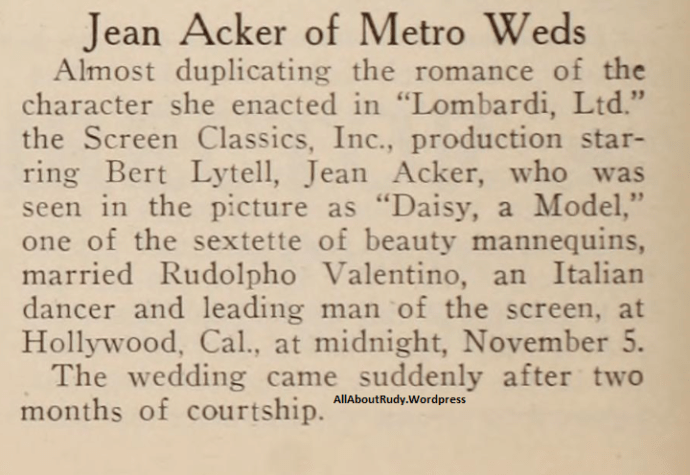
21 Feb 1953 – Rudy’s Manager Died
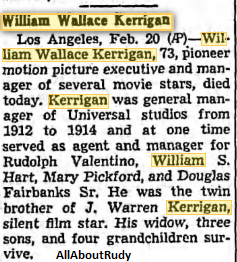
11 Feb 1945 Red Banker Tells How Valentino his boss, had to ‘fight’ girls too
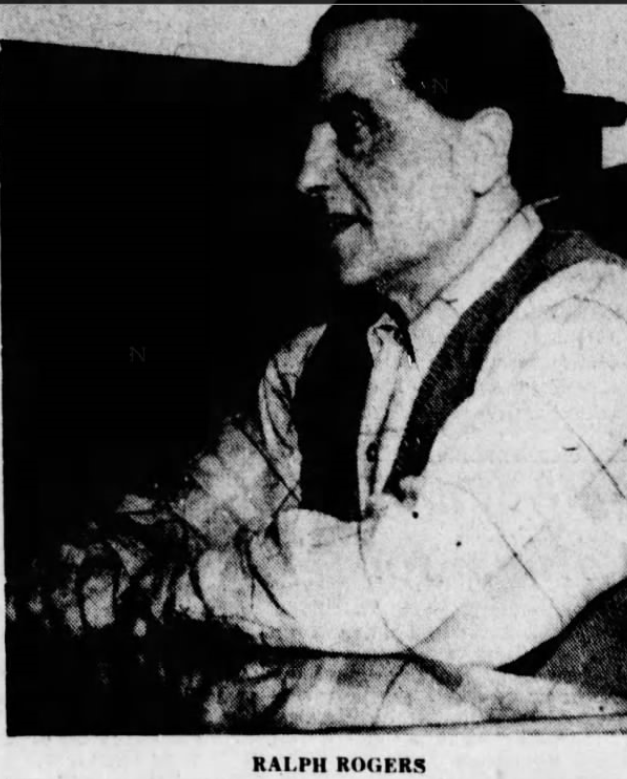
Ralph Rogers, is a dark, florid man of 45 behind whose quiet, brown eyes are the memories of two decades ago when he led a more colorful life as body-guard, valet, chauffeur for the late Rudolph Valentino. He was the late film lover’s companion the night Valentino won 450,000 francs and broke the bank at Monte Carlo. He was with him in an automobile crash near Hollywood when those who rushed to the scene stole bits of the shattered Valentino car as souvenirs, forgetting the begrimed, bleeding victims of the crash. He was aboard ship with him when Benito Mussolini warned the late Rudy by wireless not to put foot on Italian soil with immediate induction in the army as an alternative. He spent three hectic years trying to save his boss from girls and women who besieged him for autographs, sometimes tearing at his clothes, even snipping hairs from his dog for mementos. One night while enroute from Europe to America aboard the Vaterland, later the Leviathan, women banged on the doors of once was the Kaisers Suite demanding the public appearance of Valentino who wanted only to be left alone to sleep. In some European Capitals the besieged Valentino had to employ the utmost diplomacy to shoo away an occasional princess, baroness, or countess. All this, and more besides are among the memories of Ralph Rogers, 110 Monmouth Street here when he is not engaged in the operation of his small Italian restaurant on Broad Street, Shrewsbury. His getting the job as Valentino’s man Friday was by accident. Rogers was employed in the main showrooms of the Isotta-Frachini Company, New York City. His boss was a chap named D’Annunzio son of the famous Italian poet and patriot. Valentino drove an Isotta and had dropped in wit the problem of getting a man to go to Europe with him to drive the car. D’Annunzio suggested Ralph Rogers. Rogers accepted but in the back of his mind he figured he might get the chance to visit his relatives in Sorento. “We toured Europe the days and nights were always exciting and interested. But Valentino was never interested too greatly in women perhaps they annoyed him too much. In Europe it was very bad the way they kept after him. During the years from 1923-1026 when I was with him, I know of only one woman Valentino seemed to care anything about and that was Pola Negri. In my humble opinion she was the only girl Valentino seemed to really care for. The night Valentino broke the bank at Monte Carlo I was beside him most of the evening. I say it was 450,000 francs he won it may have been 500,000 or 550.000. I can only remember that I had to carry the money out in a bag to the car and that the place closed down tight, turning all the guests away. It was very bad night for the old gambling house. Papers all over the world were full of the story the next day. “While we were in France, I mentioned to Valentino I had relatives in Sorrento. He told me to take his car and drive there and to spend as much time as I liked. He was a wonderfully democratic fellow, very generous and very understanding. He was what you might say a ‘swell guy’ all around”. When we arrived back in New York disembarking from the Vaterland Valentino told me he would like to keep me and asked would I be willing to be employed by him instead of going back to my old job. He said we got along so well he would not like to see me go. I decided I would remain with him. “Out around the Pacific coast when women couldn’t get close enough to Valentino in his car they would actually shinny up to the roof of the car and peer in at him. He had his troubles with the women. Ralph Rogers never saw Valentino when thougsands streamed into Campbell Funeral Parlor to view the late film idols body. “Just as in life” Rogers says, the crush of women was too great. I stood outside and looked. I saw those women lineup for blocks. I shook my head with the memory of a real fine fellow I would never see again. Up to a year ago, Ralph Rogers was still wearing pajamas Valentino had given him. He Loved fine pajamas said Ralph. He had them by the dozen and they were made of the finest materials, personally made for him to last a life time. They did for him, and lasted another 20 years for me. The last pair I abandoned just about a year ago.
1 Mar 1926 – Costume Party
Rudolph Valentino, Manuel Reachi and Pola Negri at a costume party. 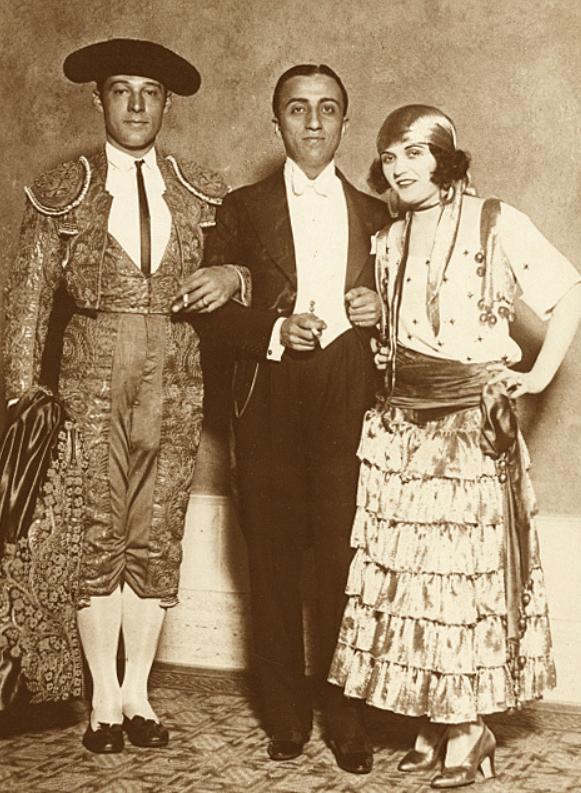
1945 – Back in the Day
Joe Hess, of the crew of the departing Folies Bergere Revue, revealed the other night the late Rudolph Valentino went right to the coast from Pittsburgh in 1917. He was playing in a John Cort Show “The Masked Model” at the Dugquesne when the producer decided to transfer the production immediately to San Francisco. The troupe was stranded there and Valentino caught the eye of an influential woman who was instrumental in placing him on the screen.
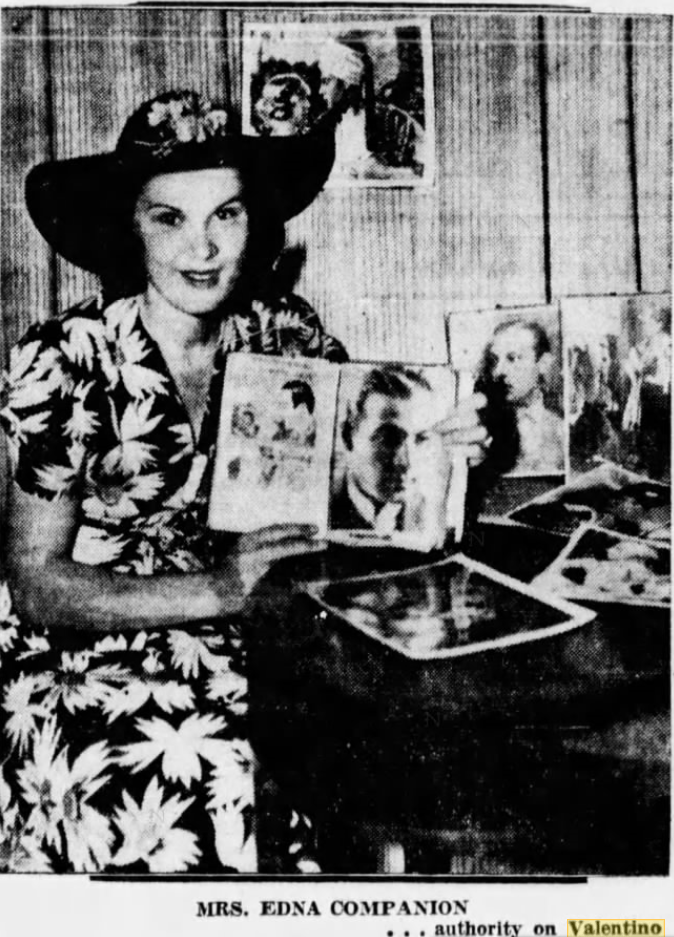
22 Mar 1940 Valentino’s Horse Dies at a Ripe Old Age
Rudolph Valentino’s horse died today in Rockleigh, New Jersey. An uncommon old horse was “Anna” who before she reached a ripe old 39 had played such stellar roles as a walk-on part in “Aida” at the Metropolitan Opera and hostess at a “horse party” while wearing a Lilly Dache hat. Anna lived out her last years in pasture at the Douglas Hertz farm.
07 Jan 1923 – Almost like but not
Orlando Cortez was a contestant in a dancing contest held at Los Angeles a week or so ago. Charles Chaplain and Jesse Laskey were acting as judges in the contest, and now Mr. Cortez holds a 5 year contract as a member of the Paramount Stock Company. The young man is a good looking and graceful dancer as Rudolph Valentino.
17 Dec 1922 – Valentino May Make Records
Valentino rumors may come and go, but Rudy himself is the authority for the statement that a big company is now being organized to put a stock of toilet preparations on the market bearing his charmed name. This it seems, cannot be prohibited by the injunction preventing him from working. Rudy’s attorney is considering several offers from a phonograph concern, said company wanting the romantic Italian to do some records. Whether or not the injunction prevents this will remain seen. There is no truth to the report that Valentino and his wife Natacha Rambova are going to England to appear in one of the Charles Cochran revues at a salary of $3500 a week or any salary.

18 Feb 1922 – Four Horsemen at the Capitol
14 Feb 1925 Valentino Romantic
A romantic day for the world’s leading romantic man Rudolph Valentino admits he is a romantic in his own temperament as well as in the parts he takes place before the camera. He loves his wife in spite of the interviews each of them has given to the papers, but the girl of his dreams still is to be discovered. He intends to cherish this dream without becoming cynical about it whether he ever finds her or not.
“A gentleman must be a gentleman even to his wife” – Rudolph Valentino, 11 Nov 1925
Whatever Happened to Valentino’s Yacht

Rudolph Valentino enjoyed the finer things in life and one of them was sailing. Rudy was a member of the Catalina Island Yacht Club and decided to have a yacht build especially for him. He commissioned Wilmington boat builder Fellows & Stewart to build it. The yacht was 32 feet outfitted with rose-shaped lamps, mohair-velvet cushions with teak-and-holly- floors, sleeping 8 persons. The Joe Fellows Boat Shop was established in 1896 by English immigrant Joe Fellows, his business manager, Victor Stewart, and the well-known naval architect Joseph Pugh. In 1917, the Terminal Island-based establishment at Pier 206 was incorporated as Fellows & Stewart, Inc. In 1926 when completed he named his boat the “Charade” that was also called “Phoenix”. He only used the boat 3 times prior to his death. In December 1926, Harvey Priester a well-known millionaire purchased the yacht for $2300. At that time the initial sale was revoked because 25 percent of the bid was not deposited. In 1930, his boat sold for $3000 cash in San Pedro Harbor. As of Apr 1970, Valentino’s boat was now owned by his former stand-in docked in Marina Del Rey. In 1975, it was advertised for $28,000 but it is unknown who was the purchaser. In 1976, it was advertised again for $20,000. In 1977, Valentino’s yacht was bought by banker Tom Gray and in 1981 he was selling for $47,000. Since that time, there has been nothing found as to whatever happened to his yacht. Remains a mystery…
10 Nov 1945 – Valentino Secret Wife


7 Feb 1923 – Flappers Idol Flops, Detroit Dance Hall Manager Says
Rudolph Valentino the idol of all Flapperdom and Carl Fischer, manager of the Majestic Ballroom where the “perfect lover” is doing his show two days this week are on the outs. Fischer is on the warpath because he says he was hoodwinked into signing a contract on which he expected to lose $15,000 because the reputed snobbishness of Valentino has proven to be practically all as far as Detroit is concerned. Fischer agrees with Detroit, and says that Detroiters used good judgement in deciding that Valentino is a “foul ball” from an artistic standpoint.

26 Jan 1926
 All About Rudolph Valentino
You must be logged in to post a comment.