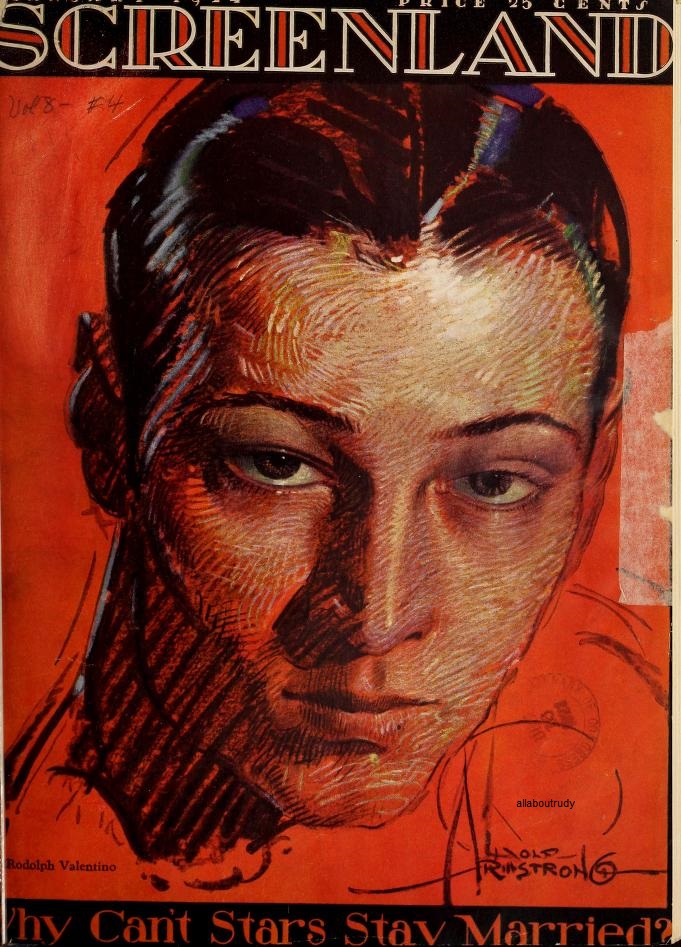
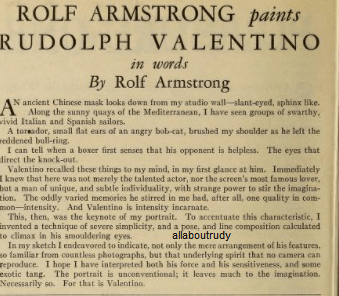

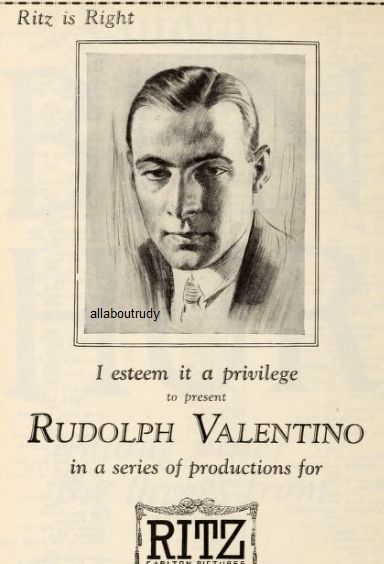
Unconfirmed reports emanating from Los Angeles that Rudolph Valentino and J.D. Williams had split, that Valentino would probably join United Artists and that the staff preparing the next picture had been dismissed were referred to Ritz Carlton Pictures by Moving Picture World Magazine just before this issue went to press. In the absence of Williams and his publicity director Bill Yearsley, both of whom are on the cost the President’s secretary made known the following telegrams received 4 March from Yearsley. It follows:
“Nothing startling has happened herre. We have simply closed down between pictures in order to complete preparation for the “Hooded Falcon” which is to be a big expensive picture”.
Charles Moyer, publicity director for United Artis said that the New York office knew nothing at this time about said report.
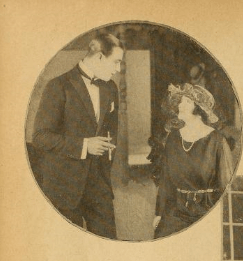
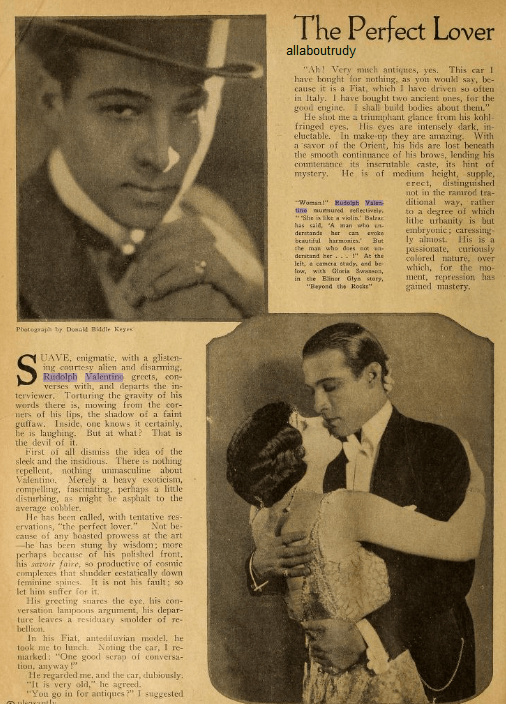
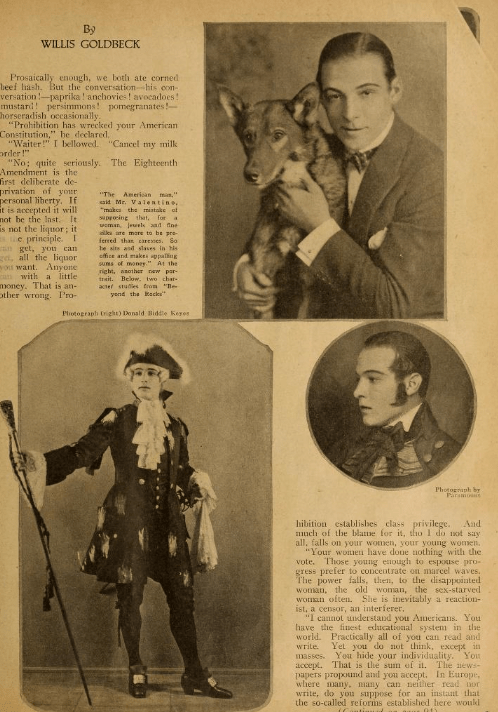
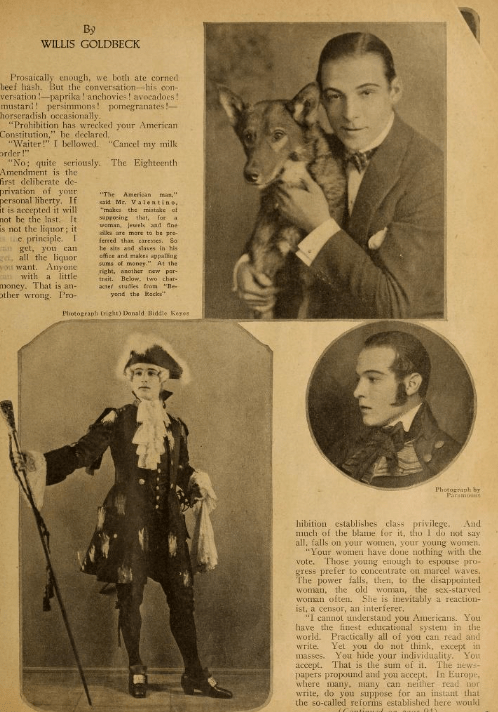
Elinor Glyn returns to Lasky Studios from England and meets Rudolph Valentino who is the her of her latest story “Beyond the Rocks”. (1922)
|
Dearest Editor,
As an old reader from your publication, I am herewith taking the wonderful opportunity to say something on the subject concerning some of my favourite actors and actresses. I would like to take a moment to congratulate the movie industry for the great progress and better pictures made during this past year which is due to the fact of the new types being introduced to the public. Rudolph Valentino, Colleen Moore, Glen Hunter, Richard Dix, and scores of others responsible for cleaner and better pictures. I predict in the future this might change but for now I remain a fan and wishing all success.
Very Truly, Blanche Kate, NY
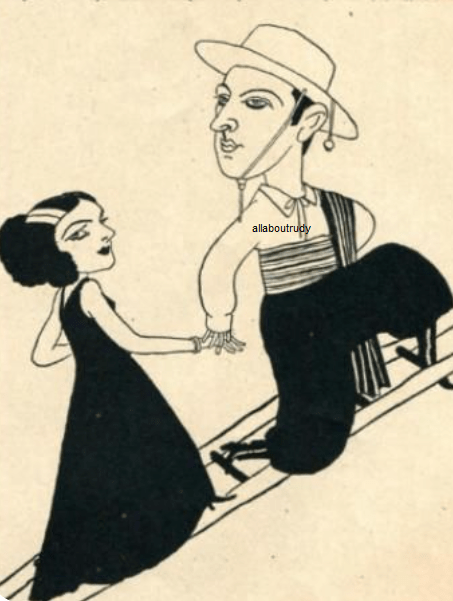
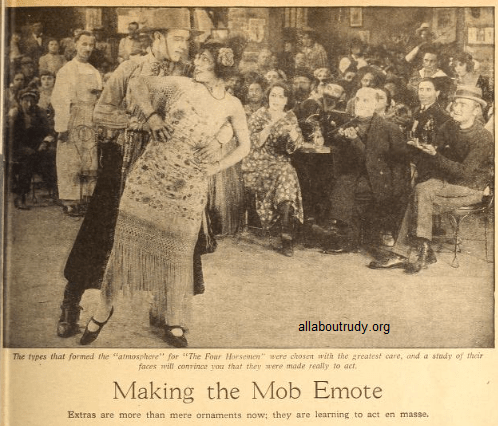
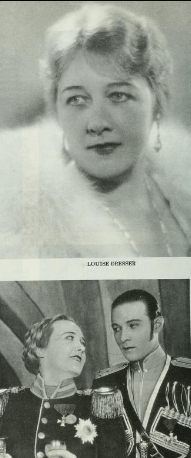
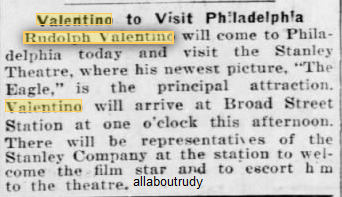
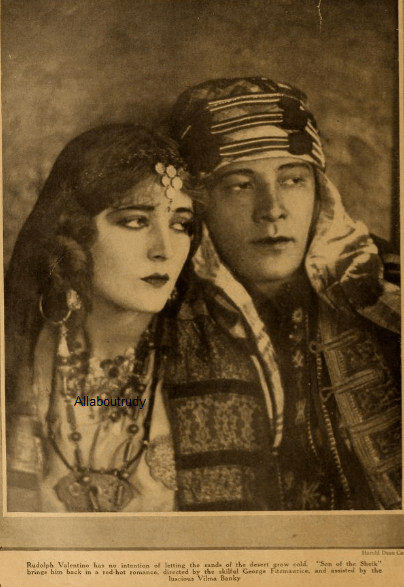
Will Rudolph Valentino do for the Russian what he did for the Latin? Meaning, will he make us thing of the romantic male when a Russian is mentioned? Ever since Rudy glided through “The Four Horsemen” and cut a great big niche for himself in the cinema hall of fame we have thought of Spaniards and Argentinians whenever the discussion led to heart flutters. We even think of “sheiks” as being of Latin persuasion. All of which speculation is due to the fact Valentino is appearing as a Russian in “The Eagle,” a glamorous film showing at the Liberty theater Sunday and Monday. Vilma Hanky, famous Hungarian beauty, plays opposite the star. Louise Dresser, noted stage and vaudeville star for years, has a featured role as the Czarina.
There were more world potenates at the opening of Marcus Lowe’s new movie theater in Los Angeles than there were at the disarmament conference in Washington. Some people may have heard of Marshal Foch but they would break their necks to see him the way they did to behold Gloria Swanson in person. The interior of the theater is by far the most beautiful piece of architecture in Los Angeles. It is of Spanish renaissance, the chief decorator being the users who wear mantillas and high combs. I thought them more beautiful than the movie stars, but of course everyone to his own taste. Fred Niblo was master of ceremonies and he may not be so famous as Foch but I’ll say he is just as brave. Rudolph Valentino did not show because he is refusing to make personal appearances. Gloria Swanson made a bow from her orchestra seat and the spotlight fell on Constance Talmadge who arose and smiled about a thousand dollars worth. Movie players Betty Compson, Anita Sterwart, Viola Dane, Alice Lake, Tom Mix, Harold Lloyd, Wesley Barry, Jackie Coogan, Doris May, May McAvoy, Bustor Keaton when introduced all took their respective bows. The show was late in starting and the night was magical and no one disappointed except the one who refused to show up in support.
Hollywood is enjoying a laugh at the expense of Pola Negri in connection with a sudden trip to Albuquerque, New Mexico, on ‘‘oil business.” The film star, it was told by friends, was meeting Rudolph Valentino studio officials, on learning of the trip, wired to return immediately to avoid a publicity scandal. When she arrived in Albuquerque, she was greeted by a dozen reporters and informed there was no oil there. She started back to Hollywood. Upon his arrival here on his way to California, Rudolph Valentino denied he was engaged to Pola Negri and knew nothing about her trip to New Mexico. Valentino asserted he did not know Miss Negri intimately. Pola arrived at Albuquerque at midnight for business reasons, she said, and left at once. The incident gave rise to rumors that the two were to meet and be married.
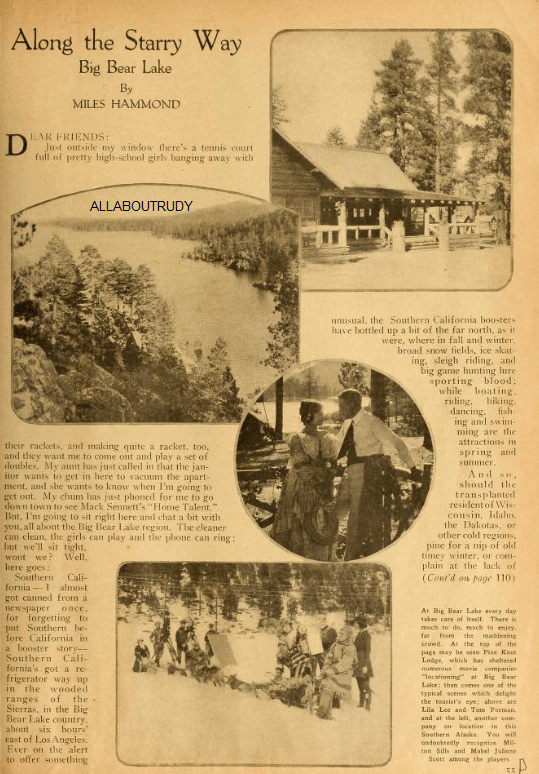
This article talks about a favorite destination of the rich and famous. The connection to Rudolph Valentino is in 1926 he took Pola Negri here and stayed overnight in one of the cabins.
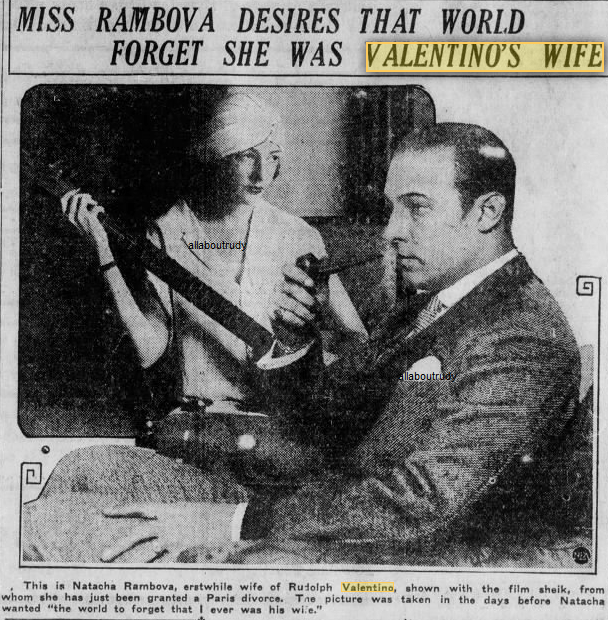
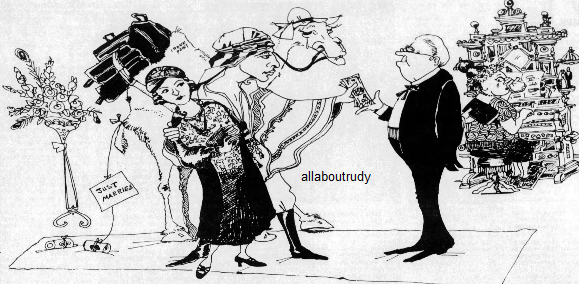
With all differences patched up and with a brand new spelling for his first name Rudolph Valentino will begin work immediately after the holiday season on a film version of Booth Tarkington’s Monsieur Beaucaire. Famous Players-Lasky are again his employers. When he formerly toiled before the cameras he was known as Rodolph. Reading the latest contract one finds the signature Rudolph with no explanation for the name change. Recently Ritz Carlton Pictures corporation announced he signed with them to begin work on a series of new films as soon as his contract with Famous Players ran out. In the latter contract, owever, was a clause giving them the option on the players services. They decided to exercise this option and after long negotiations through his attorney Max Steuer succeeded in their attempt to win back the famous actor. An official of Famous Players-Lasky said today, the company had tried several times in the last year to settle the matter, offering Valentino cart blanche to seletct his stories, director, and virtually name his salary. they had extreme difficulty in negotiating with him directly and rapprochement was only reached through Mr. Steuer. By the terms of the settlement all litigation between Valentino and Famous Players will be dropped. Mrs. Valentino as attorney in fact for her husband said she played an important part. Before sailing for Europe this last week after she had affixed her signature to the contract. Mrs. Valentino said “It is gratifying to reach a satifactory conclusion and to see Rudolph again in a position to pursue his career under satisfactory conditions. Some sample screen tests were made while we were abroad and the results demonstrated conclusively the character development and artistic advance made by him since he previously appeared. In all respects he is fit and ready for his new tasks”.

Dear Editor,
I have been reflecting on today with families coming together appreciating , family, hearth, and love for fellow man. This time of year, when people count their blessings and celebrate the birth of Jesus. I cannot but help and wonder about a certain silent film star who achieved the American dream of fame, fortune, friends. A man who touches others’ lives through a movie screen presence and yet does not appreciate the good things that came his way. Rudolph Valentino is a man whose reality does not match up to the persona. Did the year, really give Mr. Valentino the desires of his heart? In 1922, he achieved success with his movie “Blood and Sand” making more money than the year before. There is the new wife who seemed to have his best interests at heart. But biting the hand that literally feeds you and listening to bad advice did not do him any good. This year, he cleverly found a way to make money, and it did not endear him with his fans with his antics when him and his wife travelled from city to city. These are hard-working people who paid dearly to see their movie idol perform and yet all I read about was his complaining. Mr. Valentino in the spirit of this special day, I ask that you reflect on your actions and realize your no more different than the next person. The day where fame found you can leave and what will you have to show? Just a name in the newspapers from a bygone age. May you read this in the spirit in which is intended that I wish you good tidings and hope that the next year is a better one.
Regards,
Rev James Tolerville, Canterville, Ohio
|
Actress Ann Harding who bought the Rudolph Valentino estate “Falcon Lair” for $75,000, didn’t like the place and sold it after five months for $125,000 to a San Francisco night club owner who doesn’t like it either because he doesn’t live in it.
|
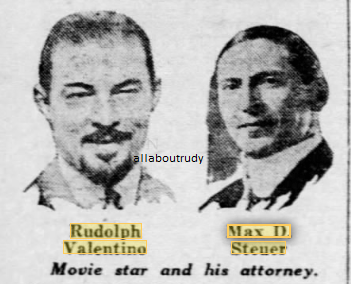
The application of Elizabeth Reilley who is assignee of the claims of Clifford Robertson and Eugene Webb, Theatrical Brokers, Los Angeles for $50,000 in comissions from Rudolph Valetnino to drop the suit was argued before Justice Gavegan in Supreme Court. Robertson and Webb were the agents who signed Valentino to Famous Players-Laskey Corporation in 1921 for a salary of $1,250 a week. They sued for commissions, which they said were due even though the contract was not lived up to by the Sheik. Objection to the discontinuance of the action was made for Valentino by Max Steur, his attorney. He was no longer repped by Arthur Butler Graham who sued Mr. Valentino last year for services rendered during the same suit but was never paid. The present lawyer contended Robertson and Webb contract to procure engagements for Valentino at the highest possible salary. He further sets forth before the agents tied his client to the Famous Players-Lasky contract there was concern they had received an offer of $5000 a week from Willis and Inglis other theatrical agents for Valentino’s services. Robertson and Webb are charged with having failed to let Valentino know of this and similiar offers. In his counterclaim Valetnino asks for $1, 004.333 in damages. Justice reseved decision.
In 1897, Juan Xicart Bellavista was born in Spain and became a well-known Hollywood entertainer who held many roles such as: screen writer, tango, flamengo, apache dancer and actor. At the age of 22, Mr. Bellavista immigrated to this country, where he changed his name to Juan Duval and the rest was Hollywood history. Mr. Duval started his career as a fight choreographer hired by Metro to help Rudolph Valentino, for a movie scene in “Blood and Sand”. Then in the late 1920’s Mr. Duval toured the Vaudeville circuit with the Richards twins with skits that featured dancing and music. During one skit called “The Cave of Sorrows”, Mr. Duval would dance Apache.
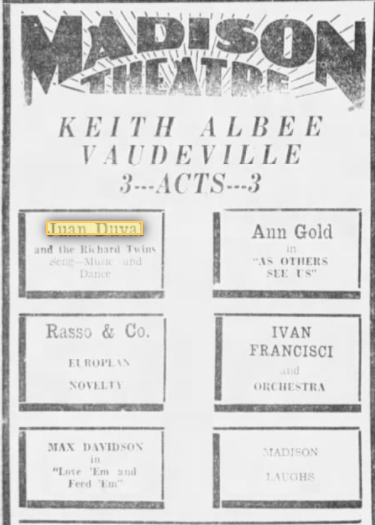
From there Mr. Duval made local headlines when he joined the Hollywood Studios of Stage, Arts and Music as a Tango dance instructor.
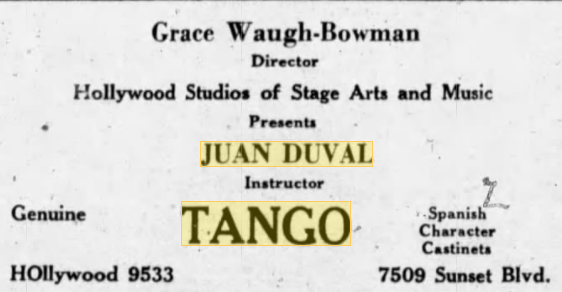
On Oct 1941, Mr. Duval opened a successful Spanish dance studio located at 2209 Van Ness Ave, San Francisco. In 1942 Mr. Duval became an American citizen. On Apr 1954, Juan Duval died and is buried at L.A. National Veterans Cemetery. Mr. Duval was serving in the Army, during WWI fighting in North Africa. In 1958, Mr. Duval’s wife filed a lawsuit on behalf of her late husband concerning the 1956, Academy Award winning movie “The Brave One”. Mrs. Duval believed her late husband who was a writer for this movie filed both a breach of contract and copyright lawsuit. The story goes Juan Duval wrote the original screen play and died before film production started. Seems the King Brothers and Dalton Trumbo took credit and got the oscar. Of interest Dalton Trumbo was a blacklisted writer and one of the Hollywood 10 during the communistic period. To this day, google searches show Juan Duval’s family are still bitter about the fact their father never received the movie credit and Oscar he deserved. There is not allot of facts that show Mr. Duval and Rudolph Valentino were friends of any kind.
Actor John Garfield is taking Italian Language Lessons from deceased Silent Film Star Rudolph Valentino’s brother Alberto.
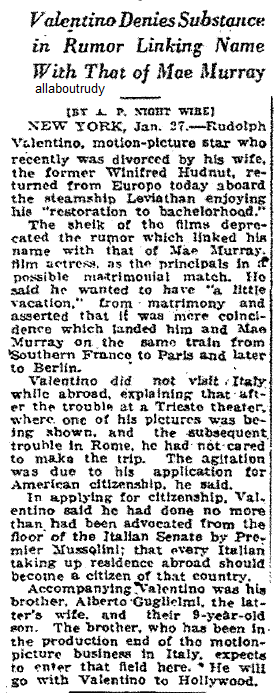
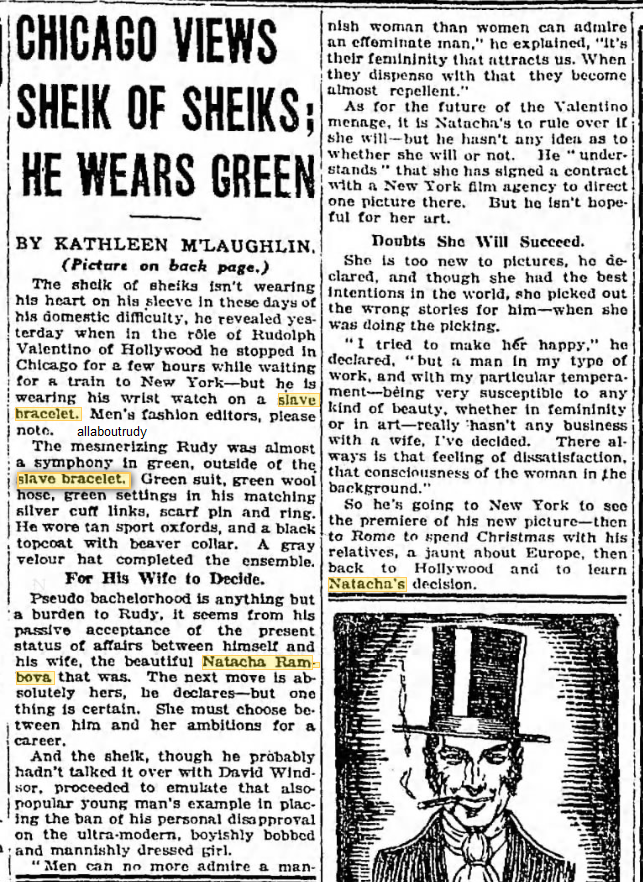
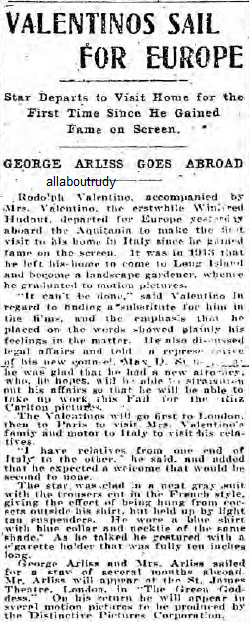
Rudolph Guglielmi better known as silent movie star Rudolph Valentino called at the Federal Building, New York yesterday and took out his first citizenship papers. William J. Burns, formerly with U.S. Secret Service, came along as his sponsor. Mr. Valentino wore a mixed cray suit, a gray cravat, a gray hat with tan leather shoes. To clerk Frank O’Grady, who put the usual questions to him, he said he said he was a motion picture player, five feet eleven inches tall and weighted 164 pounds. He further said, he was born in Castellaneta, Italy on 6 May 1895. He lives at 270 Park Avenue, and came to this country from Genoa, Italy, his wife’s name is Winifred, born in Salt Lake City, Utah and now lives at 96th Street, New York City. A statement sent out last night by the publicity agent of the United Artists Corporation, says that as the first step in his application for citizenship. Mr. Valentino presented an honorary discharge by the Italian government from all military duties past and present. This action was taken, it was explained, because of a rumor current during the World War in Mr. Valentino’s home neighbourhood in Italy that he failed to enlist. It is further explained Mr. Valentino’s failure to take part in the war was due to a slight defect in his left eye. For this his offer of military services was refused. This defect, it was stated, does not interfere with his motion picture work. A year after his rejection by the Italian authorities, the statement says, Mr. Valentino tried to get into the British Aid Service, but Major Manchester of the British Recruiting Service rejected him presumably for the same reason as that which led to the refusal of his services for Italy. Mr. Valentino again sought military service under the draft rules of the U.S. and when he was turned away, he made another unsuccessful effort to enter the Italian military service through the aid of the Italian Consul General. After the war, Mr. Valentino heard from a brother whom he met in France that he was slated as a slacker in Taranto, Italy. This was found to be true, but it was discovered to be an error which was later corrected. The statement says that Mr. Valentino delayed his application to become a citizen of this country until his record was cleared of all stain. Mrs. Rudolph Valentino returned from Europe yesterday on the Leviathan under her professional name of Natacha Rambova, accompanied by her mother Mrs. Richard Hudnut and said she intended to start work on a picture play in New York immediately. When it was pointed out to her that her husband stated to newspapers he wished her to leave the film business and make a home for him, the screen star smiled and said “ I will let him do the talking. I do not care to discuss my private affairs with the public”. She further added it was her intention to keep in business as she had done before er marriage and that the next move would be up to her husband.
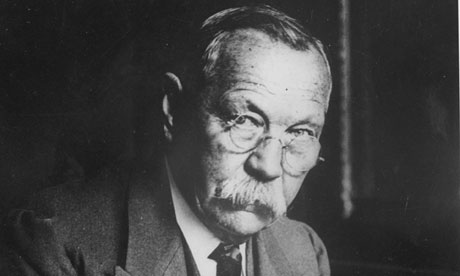
The 1920’s was a time period of social and economic change. People were tired of living a legacy of war and sorrow. They wanted to live life on their terms and not what society deemed as acceptable or tolerated. There was a hint of the curious in people. Eager to explore beyond their own backyards by going out into the world and try new things. But while these were deemed forbidden or taboo it didn’t stop the rich and famous. No, they led and mere mortals followed. For instance magic shows were something a sober upstanding and law abiding citizen would not normally attend. However, they became a public phenomenon and no one was more public and a forbidden marvel than Harry Houdini and his magic performances that made viewers believe. Also, people enjoyed participating in popular parlour board games such as seances or Ouija boards giving them a chance to communicate with the dearly departed. This too became a phenomenon making skeptics into believers. Lastly, Spiritualism became all the rage among many famous people or newly turned believers of the day. Famous author and noted believer Sir Arthur Conan Doyle was a strong advocate and was often found to lecture on his theories and beliefs. So strong was his beliefs that he felt Houdini had supernatural skills and even when the magic trick was explain he refused to believe otherwise. The author felt there was a commonality between spiritualism and motion picture industry. But let us not forget Doyle’s interest goes back further than Rudolph and Natacha. During and after WWI Doyle was a member of the Society for Physical Research and became friends with all sorts of people with a shared intriguing interest. Rambova’s interest started at a young age and believed strongly in reincarnation and automatic writing. She surrounded herself with people that had a shared belief and was firm follower of Madame Helen Blavatsky. When she became involved with Rudolph Valentino, she shared her personal beliefs. During the course of their relationship he became an enthusiast and newspapers have documented the couple’s belief extensively. June Mathis the woman who discovered him and other mother were also believers. However, when Valentino’s marriage to Rambova ended so did his interest with spiritualism. On his death bed he reconciled with the Roman Catholic faith. Rambova eventually reinvented herself as a world known Egyptologist and carried her belief to the grave.
Sir Arthur Conan Doyle gave his final interview to Horace Leaf, published in October 1930 issue of Ghost Story.
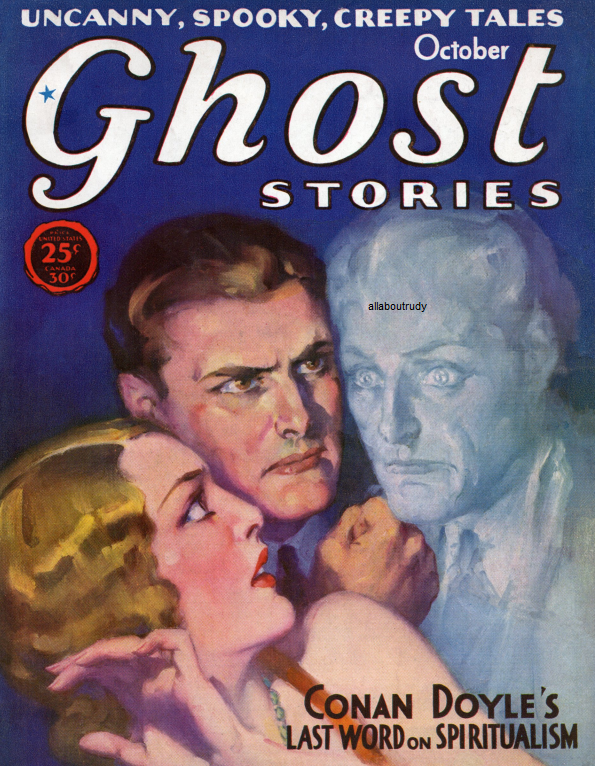
This interview seemed a culmination of Doyle’s fanaticism with spiritualism. The writer starts out writing Conan Doyle’s last words to me were “Spiritualism is the most important fact in life, and we must make this world accept it in the interests of both worlds”. Towards the end of interview, he talked about how Doyle would talk to crowds about spiritualism and the mileage he traveled. Sir Arthur Conan Doyle did make a promise and his final words were published in the New York Times that I have included in this blog post.
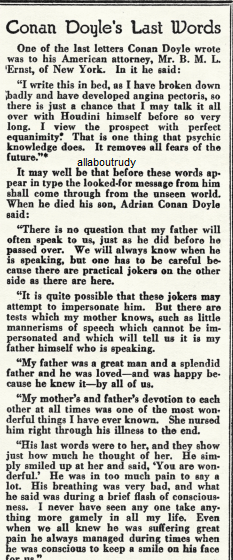
There has been no evidence that suggests the Valentino’s ever personally met Sir Arthur Conan Doyle. But at one time, all had a shared interest, in spiritualism and the great beyond. How fascinating it would be to read about them having a conversation where they share opinions on mutual interests. The spiritualism movement continued into the early 1930’s and interest declined thereafter.
Happy 🎃 🎃 Halloween
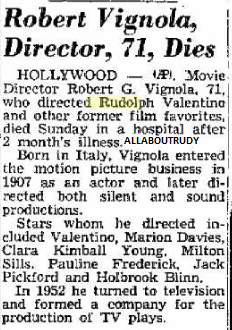
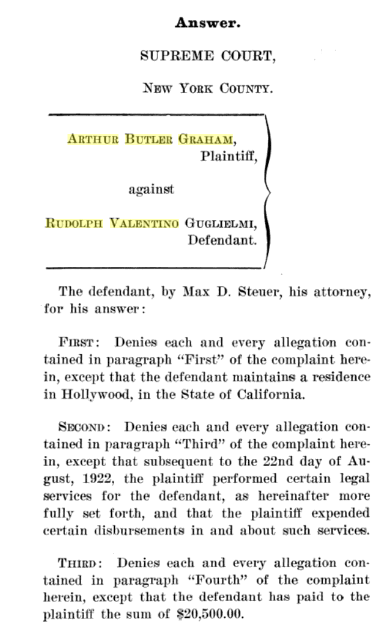
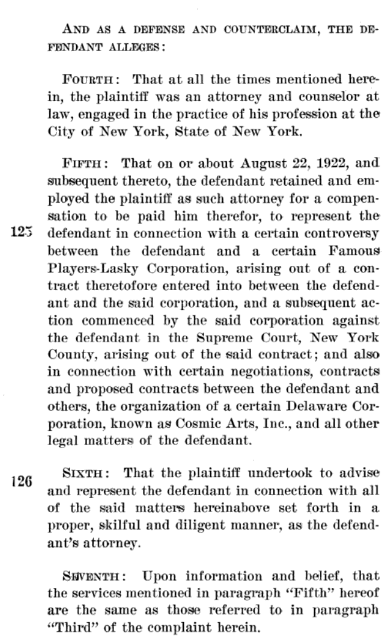
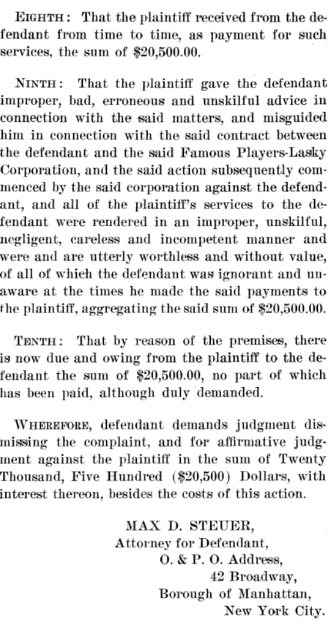
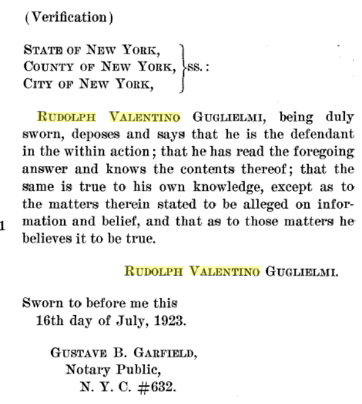
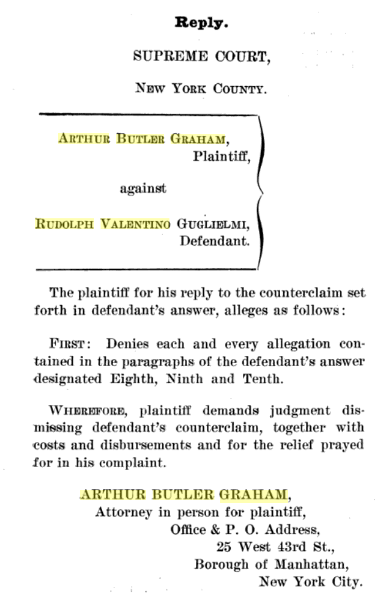
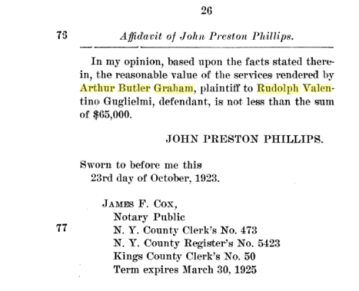
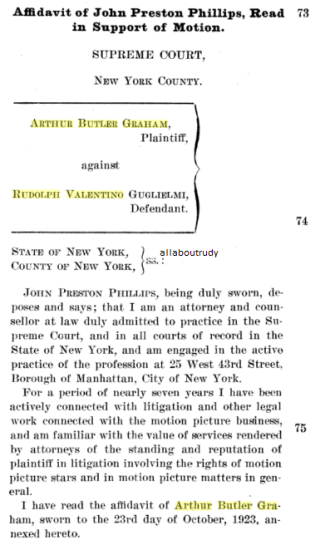
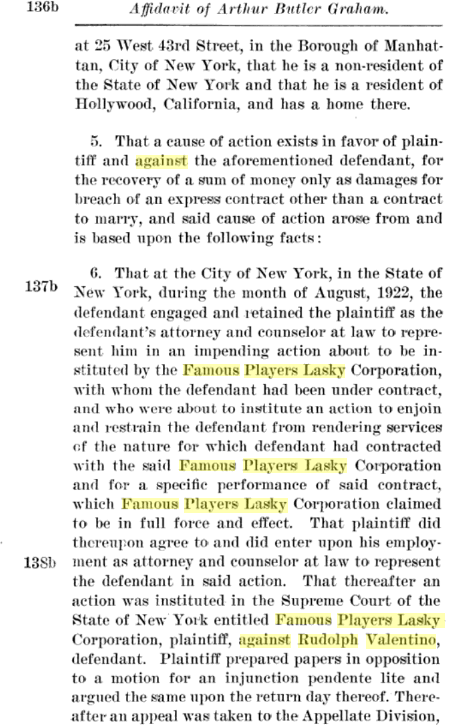
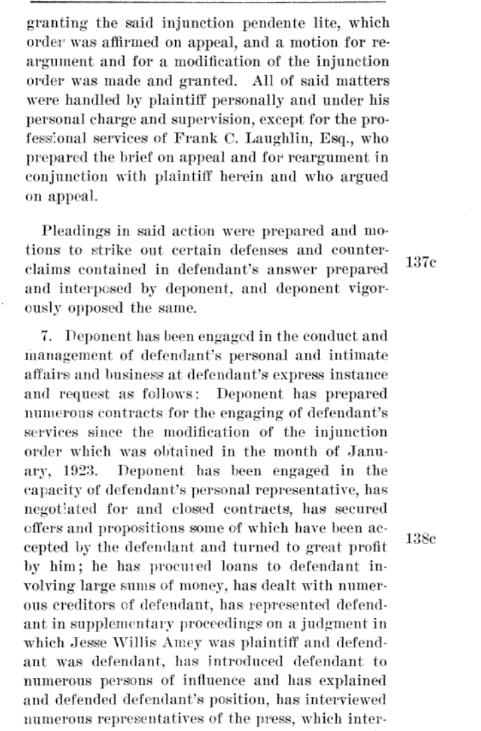
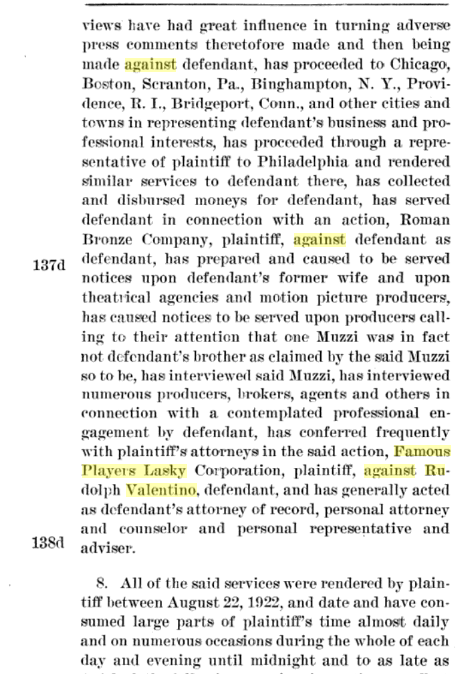
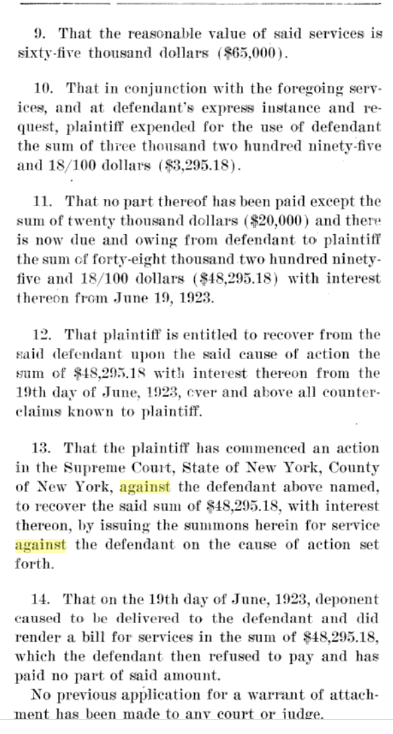
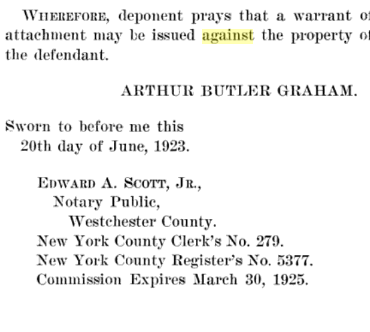
According to court documents the ongoing trial of Arthur Butler Graham vs. Rudolph Valentino continued for most of the year 1923. It’s a known fact that Rudolph Valentino had problems with paying his bills on time. Looks like the amount went up to $65,000 for services rendered when Arthur represented him in court during the Famous Players-Lasky suit
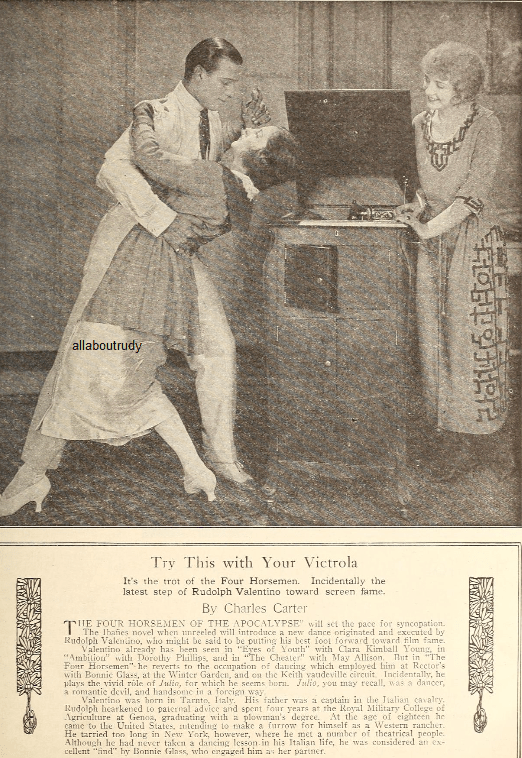
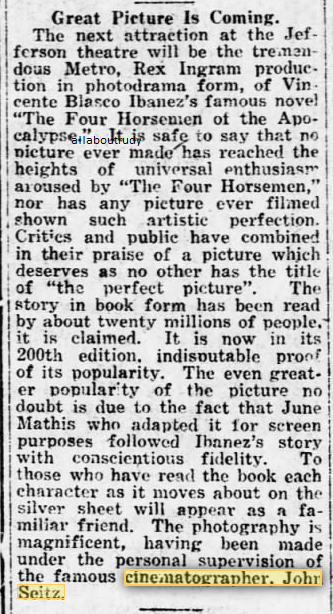
During the presentation of “The Four Horsemen of the Apocalypse at the Lyric Theater last week, many Stocktonlans recalled they had seen Valentino, who played the part of Julio, some place, some time. Mr. Valentino made a tremendous hit in “The Four Horsemen” and. according to Stocktonians who have verified their recollections. he danced at Tail’s in San Francisco about eight years ago. Following his successful engagement at Tail’s Cafe he joined Mrs. Irene Castle as a dancing partner, and it was while with her company that he developed those abilities which he expresses in part to distinguish his portrayal of the life of Julio. After a highly successful week at the Lyric, Theater “The Four Horsemen of the Apocalypse,” closed last evening.
|
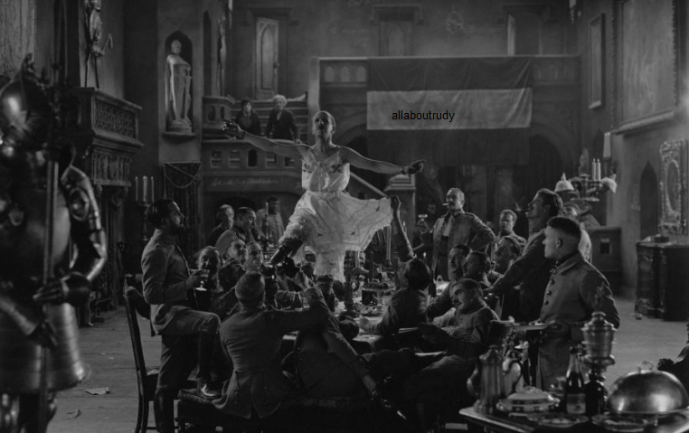
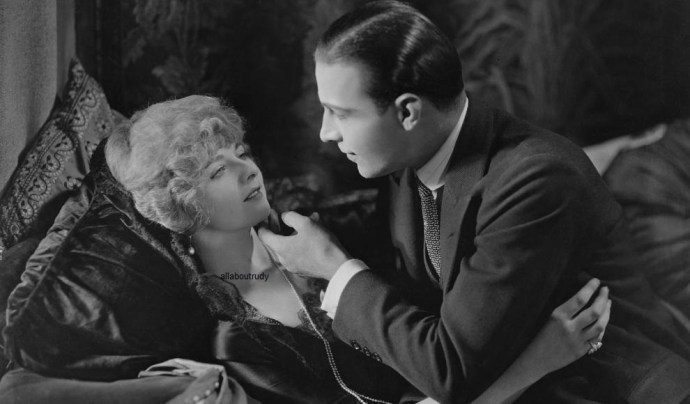
Gerardo Cetrulo, 89 world fencing champion who lived at 556 Clifton Ave, died Sunday at Clara Mass Memorial Hospital. “Fencing whets the minds appetite” he said, at the age of 73 when he agreed to teach the sport at the Boys Club of Newark, New Jersey. “It develops alert mental faculties and stars a youngster on the road to clear thinking. A youngster who has his wits about him is not apt to get into any mischief”. Mr. Cetrulo came from Caposele, Italy to New Jersey before the turn of the century and was introduced to the sport that was to dominate his life thereafter. A colorful figure, Mr. Centrulo was the center of many controversies among fans of the sport. His sharpest rivalries were those with Don Generos Pavese, his former teacher and Gus Troxier. Mr. Cetrulo helped Rudolph Valentino get a start on his film career. Valentino studied fencing in Newark under Mr. Cetrulo who introduced him to D.W. Griffith, movie mogul who was then working at movie studios in Ft. Lee, New Jersey. After reaching stardom Valentino always returned to Mr. Cetrulo for fencing lessons before a new picture. Mr. Cetrulo was a former fencing instruction at Barringer High School. In 1929, he won the collegiate fencing championship, New York Athletic Club. Mr. Cetrulos 8 children were all fencers. Two of them, Dean a teacher in Parasnippay, Dr. Gerald Cetrulo were members of the American Olympic Team at different times. Mr. Cetrulo’s 3 daughters were also accomplished fencers.
|
|
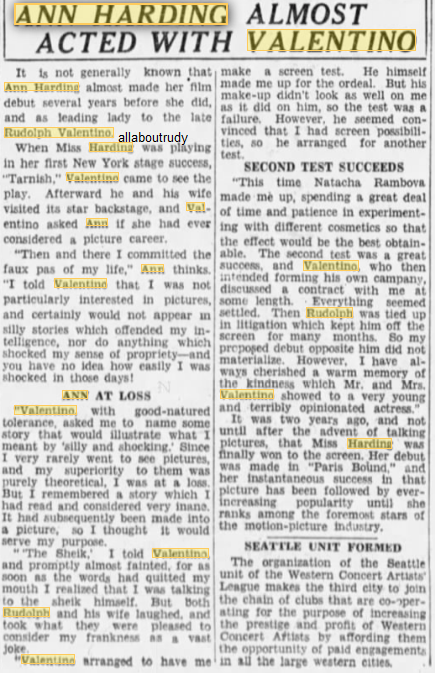
Dear Editor,
I’ve been an avid reader of your magazine for some years and have found everything it has contained of great interest as well as a help to movie fans. I know how very nice it is to read about your favorite and in my case it is Mr. Rudolph Valentino and the paragraphs below will tell you why:
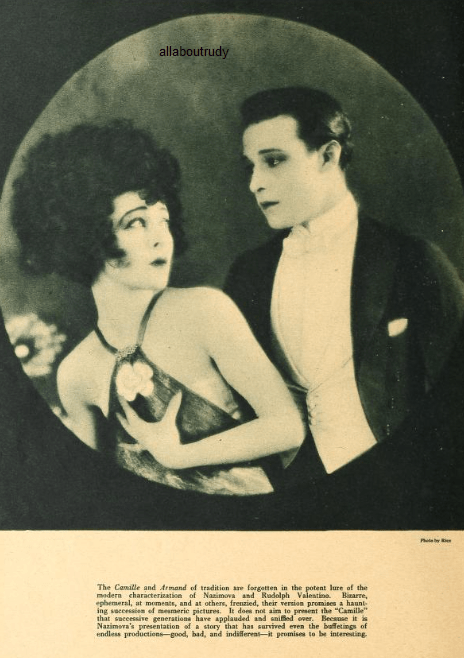
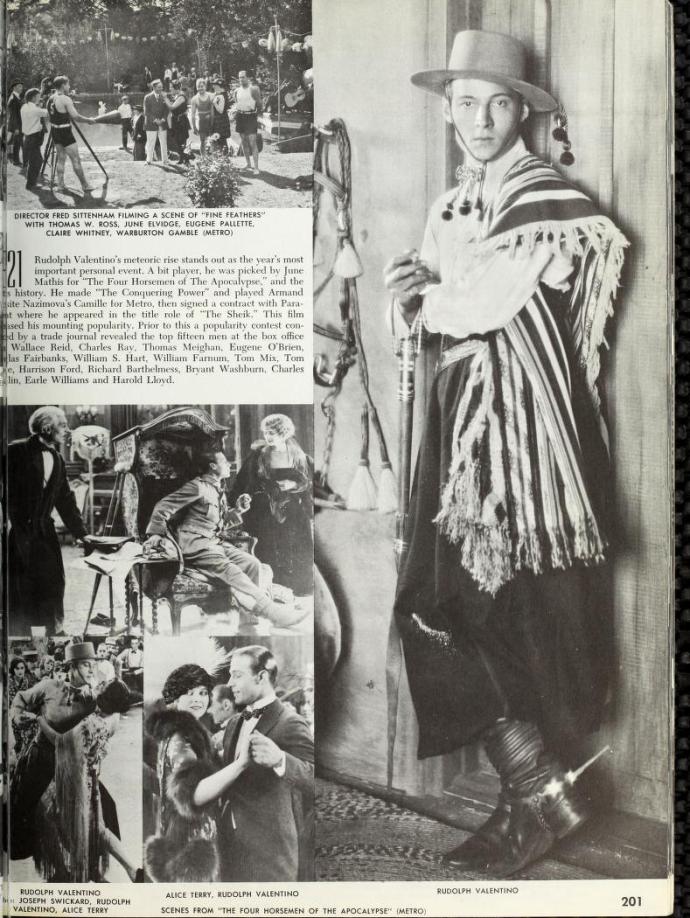
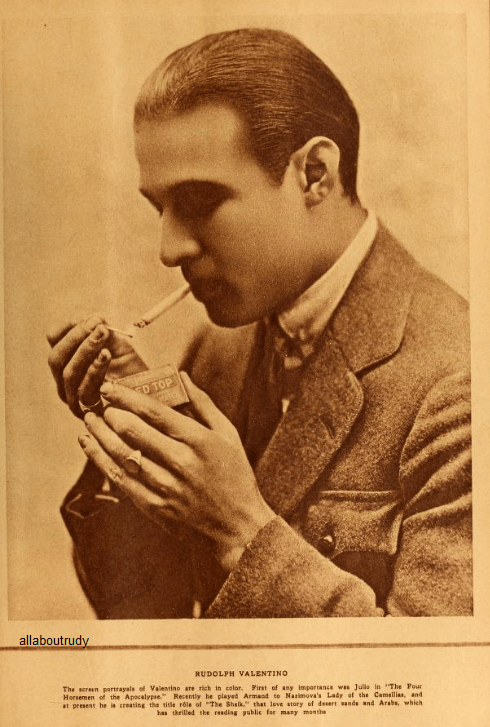
I first had the opportunity of seeing Mr. Valentino in “Passions Playground” and in this movie he had a small role that he played very well. Also, seen two other motion pictures and he left me as being a very capable actor and when I heard he was going to play the screen version of “The Four Horsemen” I was very happy indeed and he would make this role and picture and success. I now understand he is playing Armond in Camille and I know he will take his place among the leading men of the silver screen. Valentino is a very diplomatic Italian youth and I hope very soon that he will become more popular, Everyone I know seems to like him, and I hope he will gain a good many more admires in the future.
Sincerely yours,
Lillia N. New York City, NY
“I regret not having played in stock. I would have received a fine training there. I am sure”….Rudolph Valentino
At the Biltmore Hotel, Mr. & Mrs. Rudolph Valentino entertained a table of guests in honor of the Spanish painter Federico Beltran-Masses. The table guests included Mr. & Mrs. Charles Chaplain, Marion Davies, Elinor Glyn and others. Charlie Chaplain seemed to do a great deal of dancing and seemed to favor Marion Davies as a partner versus his wife Lita Grey. Mrs. Valentino wore the ever present turban which has given rise to speculation amongst the Hollywood wags as to whether she sleeps in one. This time it was of white satin. A peach satin gown with straps covered in pearls girdled at the hips with large pearl hearts, below which the skirt flared to a wide pearl encircled hem. Her heavy long brown hair was word in braided bosses over her ears. Ah only in NYC Darlings.
“Success doesn’t consist of doing good work only. Above all, you must keep your feet on the ground”…Rudolph Valentino, 1924
On 20 June 1923 , Arthur Butler Graham, Rudolph Valentino’s personal attorney who represented him during his lawsuit against Famous Players-Lasky. Sued his client in a New York Supreme Court in the amount of $48, 295 for legal services performed.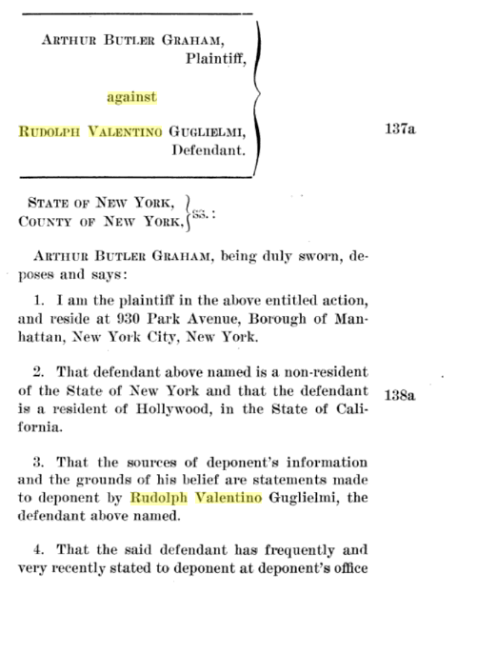
Rudolph Valentino recently told a reporter that he wanted a soul mate. His former wife Jean Acker, suing for separation and claiming that Rudy knocked her down, used her perfume and performed other acts of violence, came forth with the declaration that she was his soul mate only he didn’t realize it. After embarassing himself with all sorts of allegations in the court-room, she declared she adored him! Just a woman’s sweet way, I suppose. Well by the time the judge has granted a separation of divorce or other nominal severance, but take from Jean their souls go marching on.




 All About Rudolph Valentino
You must be logged in to post a comment.